

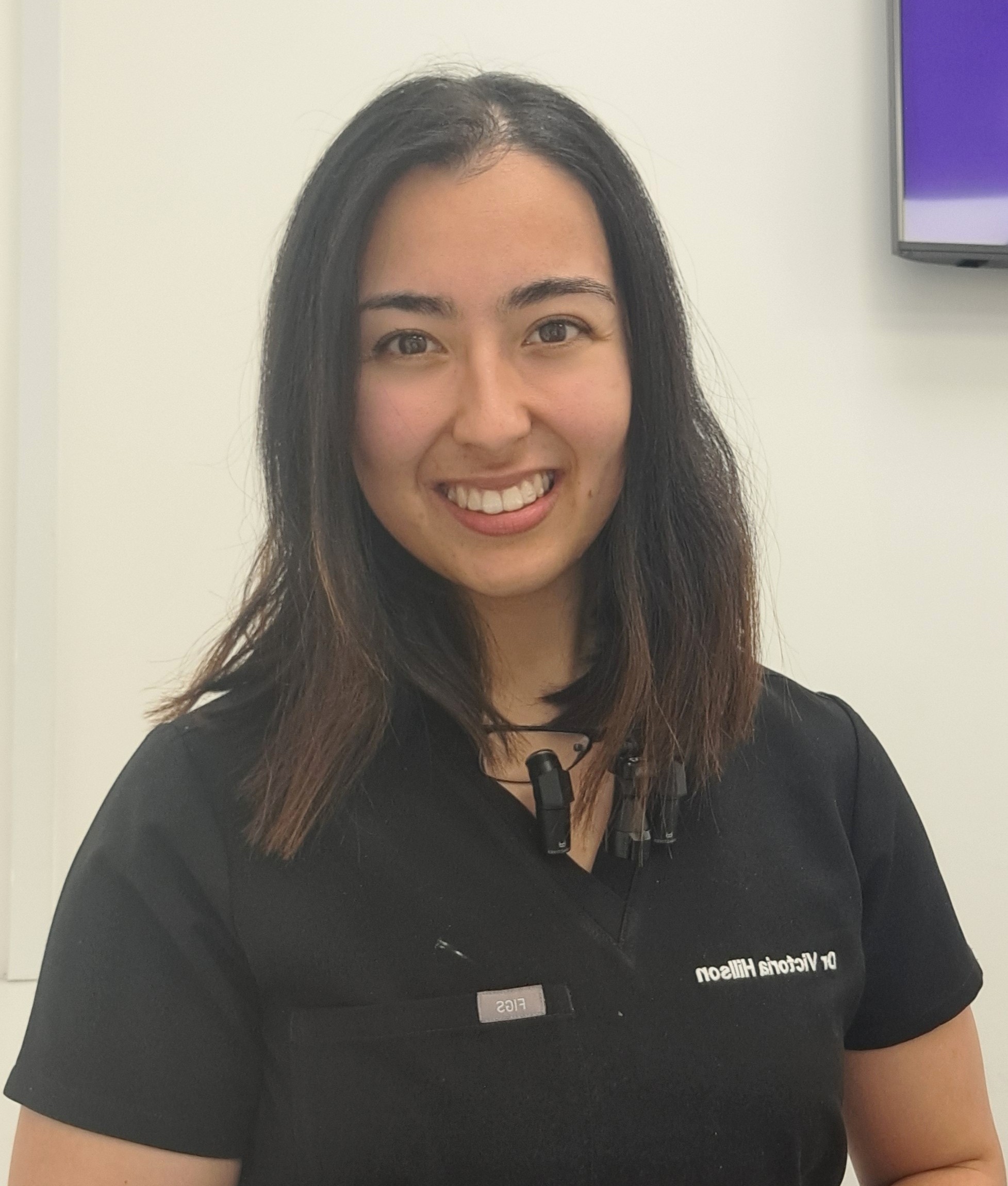
Dr Victoria Kit-mun Hillson, an associate dentist in a private practice in Dorset, was successful in the inaugural Tom Bereznicki Award for Advanced Aesthetic Dentistry and attended the Introduction to Digital Dentistry course in November 2025.

As an early-career clinician, bridging the gap between the idealised treatments frequently presented in lectures or on social media and those that can be confidently implemented in daily clinical practice can be challenging. The Introduction to Digital Dentistry course, which took place at Dentsply Sirona’s headquarters in Weybridge, Surrey, provided a valuable and motivating introduction to contemporary restorative dentistry, demonstrating how high-level outcomes can be achieved when treatment is underpinned by sound principles and a structured clinical framework.
I entered the award after researching opportunities presented by CGDent, having already been involved with the College previously and being familiar with its emphasis on structured, evidence-based learning. The application process was straightforward but appropriately selective, initially requiring the submission of pre-operative photographs for review, which were either accepted or declined before progressing further. Once accepted, this was followed by a short, written case summary and the submission of post-operative photographs. This staged process encouraged careful case selection, documentation and reflection. Entering the award was a valuable learning experience in itself, and winning it was both unexpected and deeply rewarding, providing reassurance that my clinical approach and attitude, alongside presentation and reflection were recognised at a national level, among other inspiring clinicians.
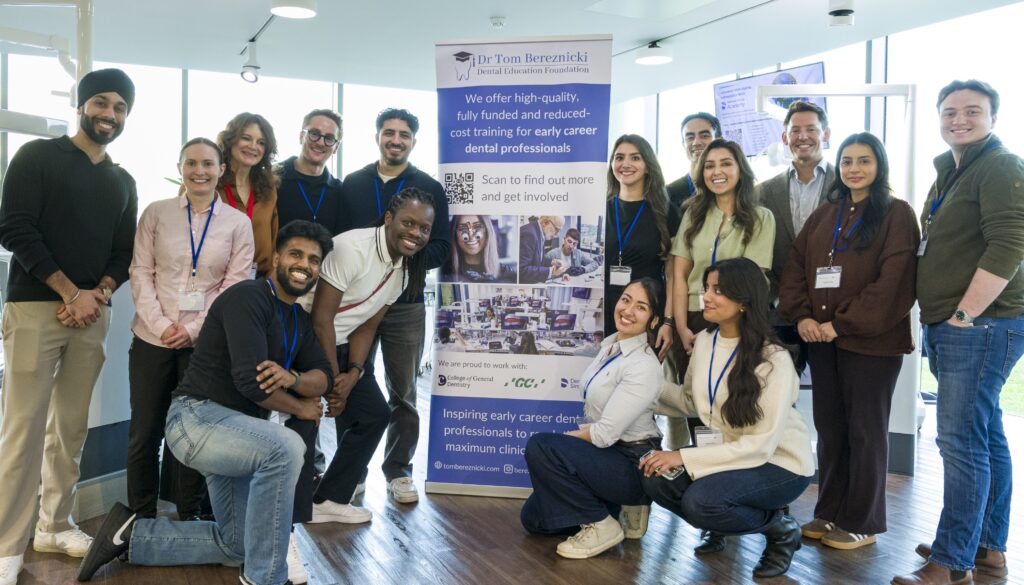
Delivered over two separate weekends with different groups, the course created an intimate and focused learning environment. It felt carefully designed to introduce complex concepts in a way that was accessible, particularly for those of us in the earlier stages of our professional development.

Learning beyond the lecture theatre
We were hosted at the beautiful Brooklands Hotel, which added to the overall experience. Staying together encouraged informal discussion outside the teaching environment- conversations regarding dentistry, career progression and shared challenges as early clinicians continued over dinner, and into the evenings. These moments were just as valuable as the formal teaching, highlighting the importance of peer discussion and shared experience as integral components of professional learning and development.
Understanding restorative principles
The course centred on the use of digital techniques within modern dentistry, with discussion focusing on the pivotal role of intraoral scanners in building trust and rapport with patients, as well as their application in the fabrication of both temporary and permanent restorations.
Another central theme of the course was indirect adhesive dentistry, with a strong focus on the principles behind bonding onlays. Rather than being taught a rigid formula, we were encouraged to think critically about preparation design and cores, isolation, bonding protocols and long-term predictability.


We also explored the advantages and limitations of scanners in shade analysis, alongside guidance on achieving ideal photographic settings for accurate documentation, explanation and presentation of clinical work.
Material selection was explored in depth, particularly the differences between zirconia and lithium disilicate E.max onlays. Understanding the indications, limitations and bonding considerations of each material helped clarify a topic that can often be challenging. This component of the course reinforced the importance of selecting restorative materials based on a comprehensive assessment of the patient’s history, functional demands, and occlusal considerations.
Digital dentistry: an accessible introduction
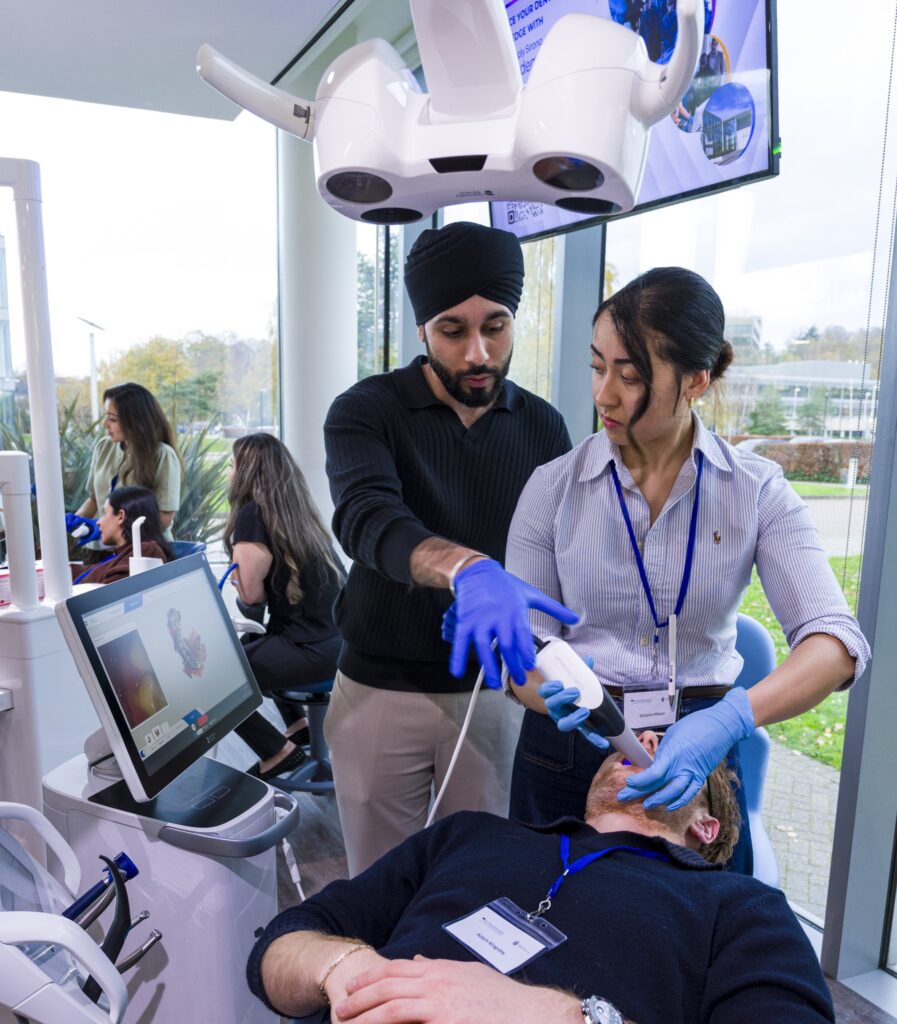
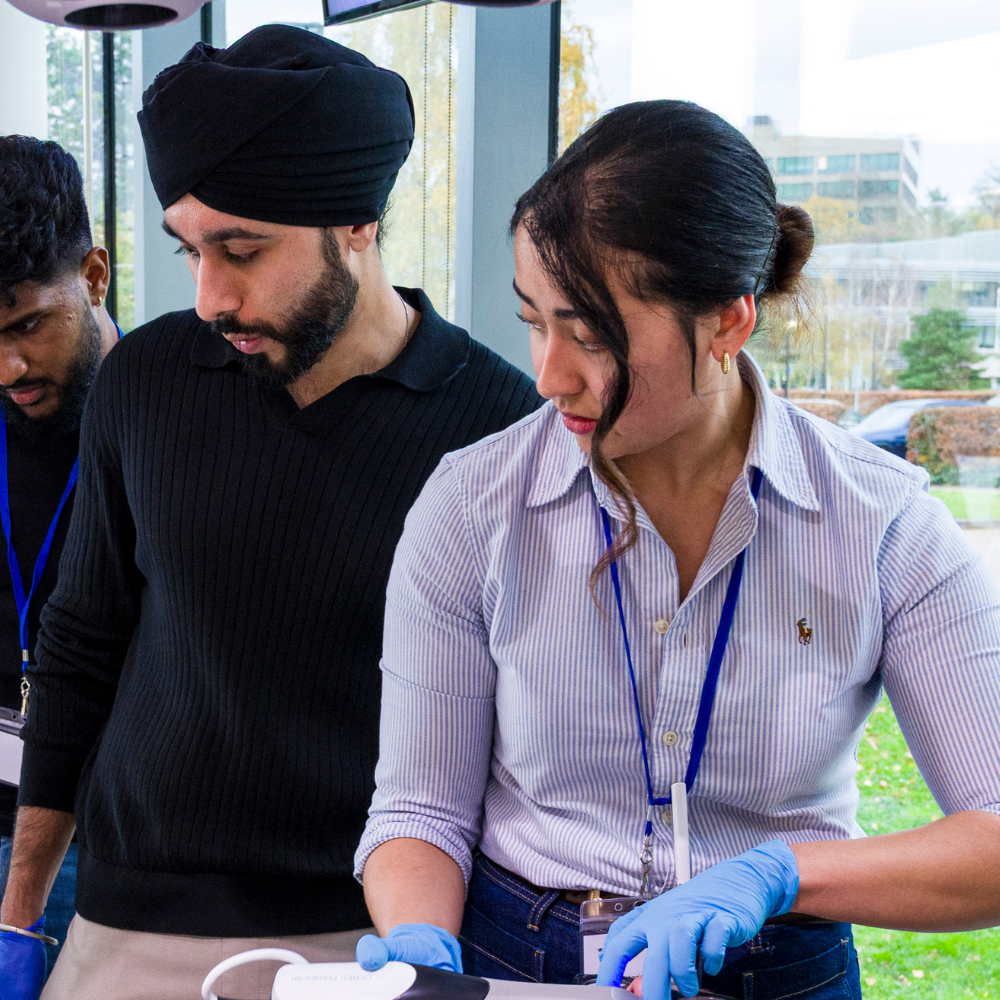
We explored 3D scanning and CAD/CAM workflows, including direct CEREC design. Although the course was more lecture-based overall, having the opportunity to scan each other and design restorations digitally was particularly valuable, especially for those who did not have these opportunities in their practices. It made digital dentistry feel more approachable and highlighted how these tools can support accuracy, efficiency and communication with patients- rather than relying alone on analogue workflow and trust of clinical judgement.

Occlusion, bruxism and appliance therapy
Another impactful part of the course was the exploration of occlusion and the management of bruxism. We were introduced to removable appliances that were previously unfamiliar to me, broadening my perspective on the available management and treatment options for patients with parafunctional habits.
These sessions helped to connect restorative dentistry with daily functional considerations, reinforcing the principle that long- term clinical outcomes rely on a multifactorial understanding of the patient rather than a narrow focus on individual teeth requiring restoration.
Seeing the bigger picture: full-mouth rehabilitation
I have developed a particular interest in full-mouth rehabilitation, especially in cases that integrate both analogue and digital workflows. This course offered an introduction to a range of such cases, which further reinforced my engagement in this area. As an early-career dentist, these cases can feel far removed from daily practice. However, seeing them broken down into structured, principle-led stages made them feel more understandable and achievable over time.
Rather than creating a sense of immediate clinical readiness, the course prompted a more valuable outcome by highlighting the extent of further knowledge and skill development required. This insight was motivating rather than discouraging, as it provided a clearer perspective on the direction of future learning and professional development.
A motivating experience for early-career dentists
This course highlighted the breadth and depth of knowledge required to deliver predictable, high-quality restorative care. It strongly reaffirmed the professional direction I already knew I wanted to pursue and renewed my motivation for continued learning and development.
For early-career dentists considering applying for the Tom Bereznicki Award for Advanced Aesthetic Dentistry, I would strongly encourage it. The experience extends far beyond technical instruction, offering valuable perspective, professional inspiration and a clearer understanding of what modern dentistry can achieve with the right approach, while mixing with like- minded peers.
Opportunities like this remind us that dentistry is a journey. Having access to high-quality education at an early stage plays a crucial role in shaping not only clinical practice, but also the kind of clinicians we aspire to become.

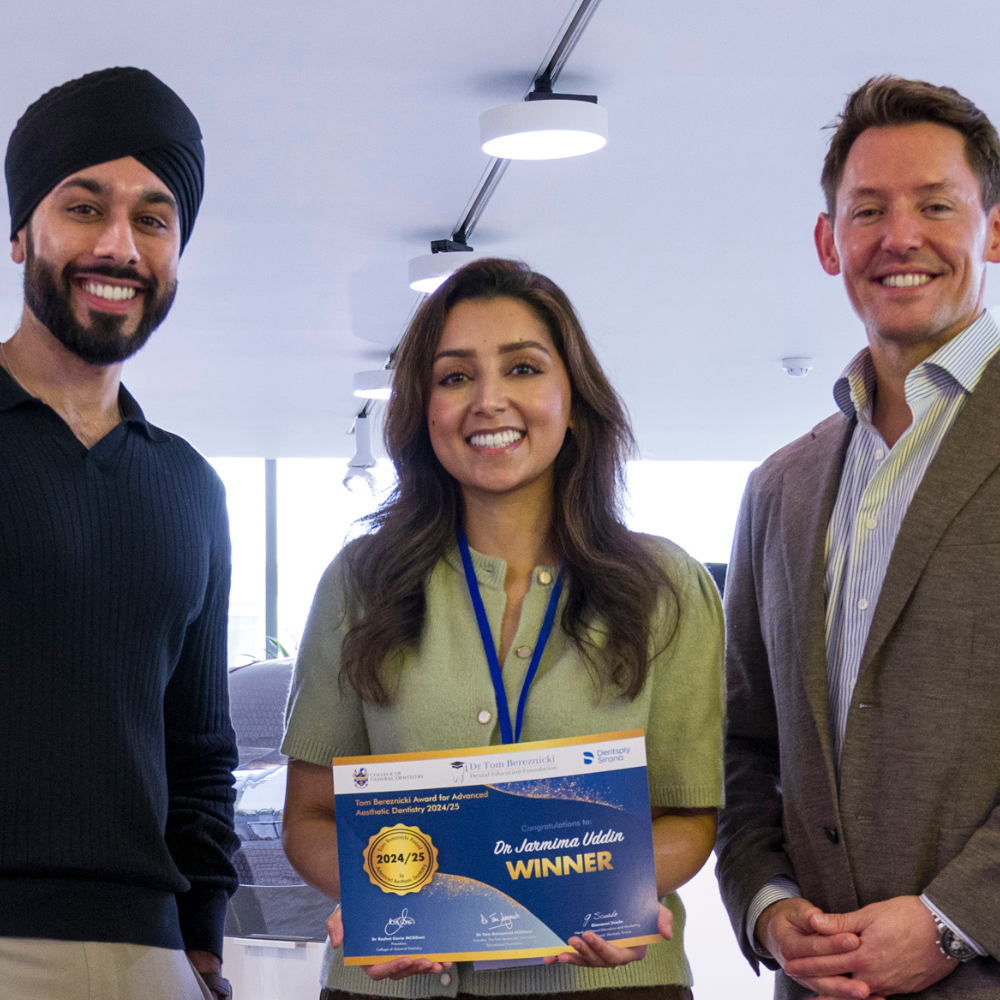
The Tom Bereznicki Award for Advanced Aesthetic Dentistry 2026 is now open to dentists who qualified between 2020 and 2024 and practise in the UK or EU.