

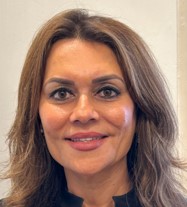
Dr Nicola Gore FCGDent, Vice President of the College, practice owner, clinical educator and author of Dentistry in a Nutshell, delivered a College lecture at the 2026 Dentistry Show London, sharing advice to early career colleagues about the skills needed for a career in restorative dentistry.

A career is more than a clinical procedure
What makes a restorative dentist successful? After years in practice, teaching and mentoring, I believe it is never just the quality of a restoration. It is also how we listen, explain, plan, work with colleagues and recognise when we need help.
I trained at Guy’s and St Thomas’, and my career has taken me through clinical practice, practice ownership, education and mentoring. Those different roles have taught me that there is no single route to a fulfilling career. My message to younger colleagues is simple: career progression is a journey, not a race.
Start with the person, not the procedure
A technically excellent crown can still leave a patient disappointed if we have not understood their expectations. Before discussing treatment, I try to understand what matters to the person in front of me: their concerns, previous experiences, priorities and fears. Explain the options in language they understand, including limitations, benefits, risks and fees. Listening is as important as talking.
For example, a patient may arrive asking for eight veneers. Our responsibility is not simply to deliver what has been requested, but to consider whether a more conservative approach could better serve that patient. Managing expectations, discussing alternatives and reaching a shared decision are all clinical responsibilities as much as communication skills.
And when something goes wrong or a complaint arises, respond calmly. Listen, acknowledge the concern, apologise where appropriate, investigate and, crucially, follow up. The way we handle difficulties often shapes trust more than the procedure itself.
The non-clinical skills that make a difference
I deliberately focus on non-clinical skills first because they underpin everything else. Leadership does not have to mean running a practice. It can mean respecting your nurse, communicating clearly with your technician, valuing the contribution of dental therapists and knowing when a specialist referral is appropriate. We achieve better care when we work as a team.
Professional judgement matters just as much. Obtain and document valid consent; record your findings, differential diagnoses, options and discussions; recognise your limits; and put patient welfare before the desire to attempt a complex case. There is strength, not weakness, in seeking advice.
Reflection is another habit worth developing early. When an outcome differs from what you expected, ask why. Keep a portfolio, choose targeted CPD to address gaps, and learn from audits and feedback. Understanding practice costs, overheads and the time needed for treatment also helps you make sustainable, realistic decisions.
Finally, protect your wellbeing. Ask colleagues or mentors for support early, set boundaries and make time for life outside dentistry. A rewarding career needs to be sustainable.
Build strong clinical foundations
Restorative dentistry starts before the bur. The sequence I emphasise is diagnosis, treatment planning, delivery and review. Sound assessment and careful decisions come before the choice of material or technique.
Master the fundamentals: local anaesthesia, isolation, treatment planning, scheduling, clear discussions about fees and patient engagement. Aim to make simple treatment safe and predictable before taking on increasing complexity. As you gain experience, move from thinking about an individual tooth to considering the whole patient and the wider restorative picture.
Invest thoughtfully in the instruments and materials that suit your work, whether that means reliable isolation equipment, loupes or dental photography. Equipment is valuable when it supports sound judgement and reproducible care; it cannot replace either.
Choose a pathway that suits you
One of the most reassuring points I’d like to make is that you do not have to follow somebody else’s career plan. The CGDent Career Pathways provide a useful framework for the whole dental team, with five stages: Safe Practitioner, Capable Practitioner, Experienced Practitioner, Enhanced Practitioner and Accomplished Practitioner. These are a framework for development, not a rigid or compulsory ladder.
For dentists interested in restorative dentistry, there are opportunities to grow within general practice through mentorship, observation, focused courses and postgraduate study such as a PGCert, PGDip, MSc or MClinDent. Others may explore dental core training and formal specialist training. These are different routes, with distinct requirements: a postgraduate degree or enhanced skills in general practice does not, by itself, confer specialist status.
Whichever route interests you, speak to people already doing the work, find a mentor and look for learning you can apply in practice. The College’s pathways and early-career resources are good places to explore your next steps.
The key take aways
If you only take away a few things after reading this blog, let them be these:
- Develop clinical and non-clinical skills together.
- Choose courses that teach something you can put into practice the next day.
- Seek a mentor or supportive peer; you do not have to build your career alone.
- Invest thoughtfully in equipment, materials and your own development.
This thought captures how I see professional growth: “Don’t measure your development by the number of crowns or veneers you have completed. Measure it by the quality of your decisions, the outcomes for your patients and your ability to recognise when you need help.”
Be ambitious, but give yourself time to develop. Invest in your skills, your people and your purpose. That is how we build careers we can be proud of.