Fellowships for the whole dental team

The College has launched fellowships for each role in the wider dental team.

Recognising professional accomplishment in clinical and other areas of practice, the new fellowships are:

  • Fellowship in Dental Nursing – FDN (CGDent)
  • Fellowship in Orthodontic Therapy – FOT (CGDent)
  • Fellowship in Dental Hygiene – FDH (CGDent)
  • Fellowship in Dental Therapy – FDTher (CGDent)
  • Fellowship in Dental Technology – FDTech (CGDent)
  • Fellowship in Clinical Dental Technology – FCDT (CGDent)

The launch of the new fellowships represents a significant advance in the professional recognition available to members of the wider dental team.

It is also the latest stage in the fulfilment of the College’s founding ambition to promote and develop the whole team, and follows the recent inauguration of Deans to lead its Faculty of Dental Nursing & Orthodontic Therapy, Faculty of Dental Hygiene & Dental Therapy and Faculty of Clinical Dental Technology & Dental Technology.

Every registered Dental Care Professional is eligible to join the College as an Associate Member. Those holding a recognised and relevant Postgraduate Certificate may join as (or upgrade to become) a Full Member (MCGDent), and those satisfying any one of the College’s five fellowship domains (see below) can qualify as an Associate Fellow (AssocFCGDent).

The six new fellowships are open to dental professionals with at least ten years’ experience in practice who fulfil the requirements of any two of the College’s fellowship domains. Each domain has a range of possible routes to eligibility. Example routes are in the following table:

Fellowship domainSummary / example routes
Clinical & TechnicalRecognised and relevant PgDip or Master’s degree  
Teaching & AssessmentFHEA or FAcadMEd or  
PgCert in Dental, Medical or Clinical Education plus 3 years’ service in a recognised role or  
8 years’ service in a recognised role plus either 27 hours’ relevant and recent CPD or FDTFEd  
Leadership, Management & Clinical GovernanceDiploma-level leadership qualification or
Certificate-level leadership qualification plus 3 years’ leadership experience or  
3 years’ senior leadership experience plus 10 hours’ relevant and recent CPD
Research & PublicationsPhD or
Master’s degree including a research dissertation worth 30+ credits or
5+ peer-reviewed articles published in MEDLINE-indexed publications or Dental Update
Law & EthicsPgCert or PgDip in a legally-related subject relevant to dentistry plus 1 year’s experience in a relevant role or  
5 years’ experience in a relevant role plus 10 hours’ relevant and recent CPD

A Fellow in Dental Nursing, Orthodontic Therapy, Dental Hygiene, Dental Therapy, Dental Technology or Clinical Dental Technology may also become a College Fellow (FCGDent) should they meet the requirements of a third fellowship domain. Fellowship for dentists is only available in the form of College Fellowship, requiring satisfaction of three domains.

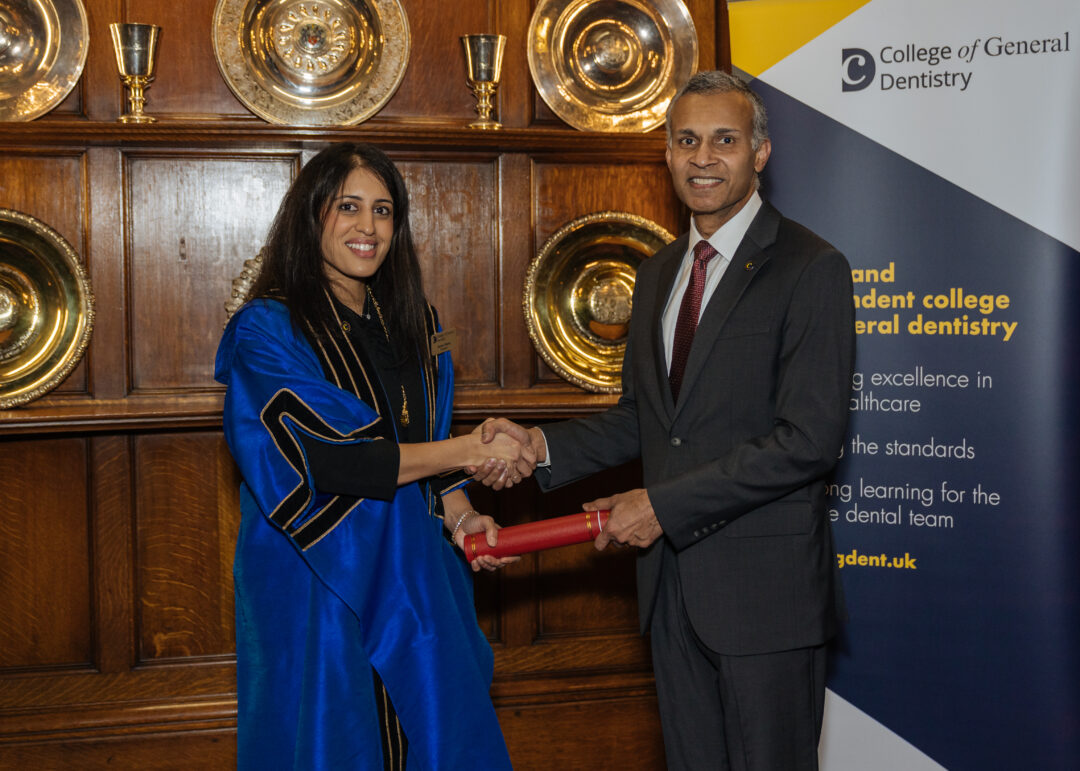
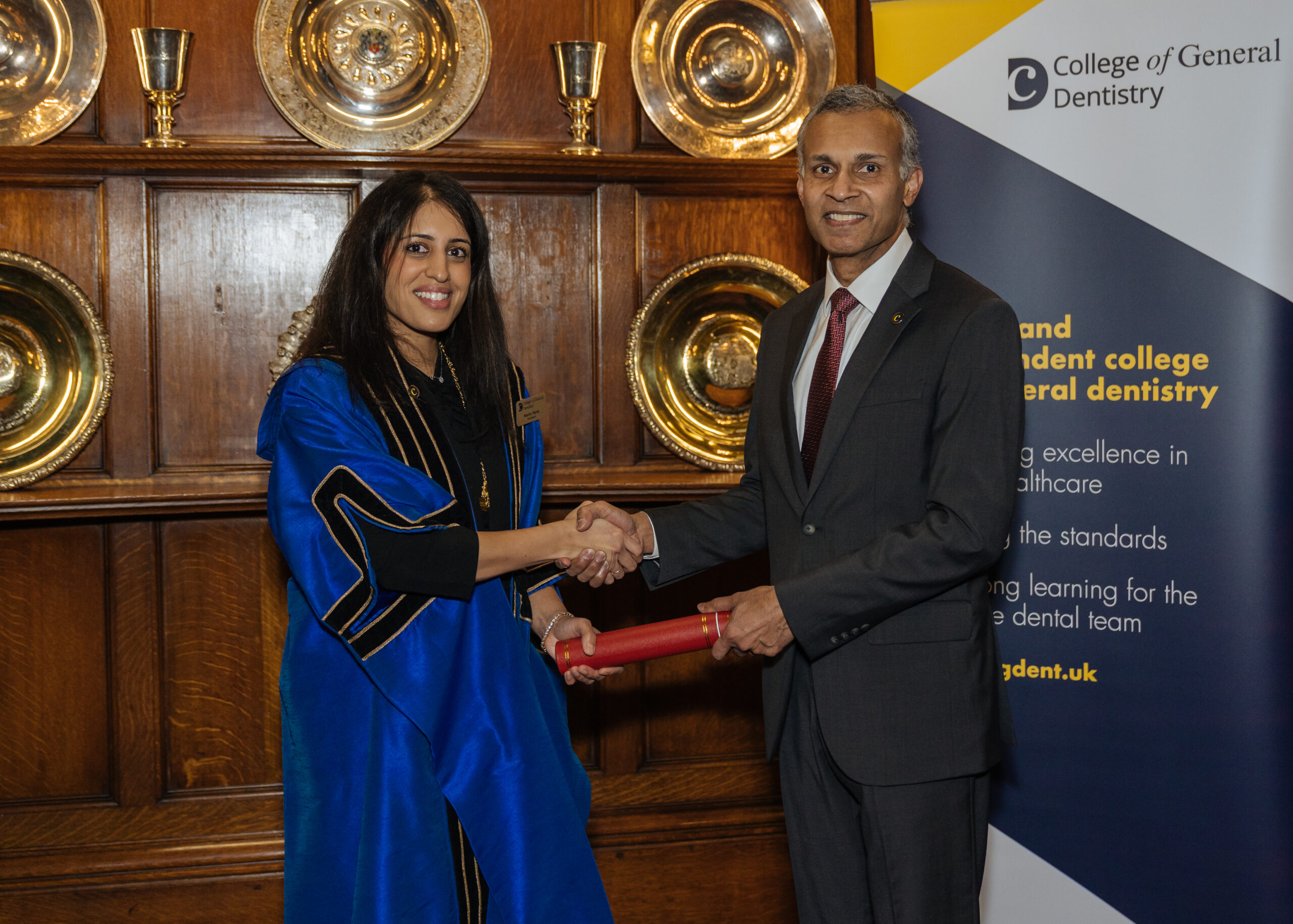
Fellows are senior members of the College, with their Fellowship marking them out as ‘Accomplished Practitioners’ on the College’s Career Pathway. Providing leadership and support to the development of dentistry, they can attend the College’s biannual Fellows’ Receptions, and have the opportunity for ceremonial admission by the President.

In addition to enhanced professional standing, Fellows and Associate Fellows of the College receive a reduction in their dental indemnity fees with Dental Protection. They can also enrol on a one year, part-time, distance learning MSc in General Dental Practice (which in itself satisfies the Research & Publications domain of fellowship).

All College members receive quarterly print issues of the Primary Dental Journal, the only peer-reviewed professional development journal dedicated to general dental practice, as well as free or heavily discounted access to live CPD events, study days and networking opportunities.

Dental hygienists, dental therapists, dental technicians, clinical dental technicians and orthodontic therapists all receive a one-third discount on the College’s standard membership fees. Dental nurses receive a two-thirds discount, as do retired members and overseas practitioners.

There is no fee for applying to become a Fellow, and existing members who successfully upgrade will only start paying the applicable higher membership fee from their next annual renewal.

Full details of the College’s fellowship domains, and a link to apply for the relevant Fellowship, are available via the button below:

Subscribe to receive our monthly newsletter

Midlands Study Club summer programme

The CGDent Midlands group hosts regular face-to-face midweek Study Club evenings, with CPD certificates provided. These are free for College members, with a small fee payable by non-members.

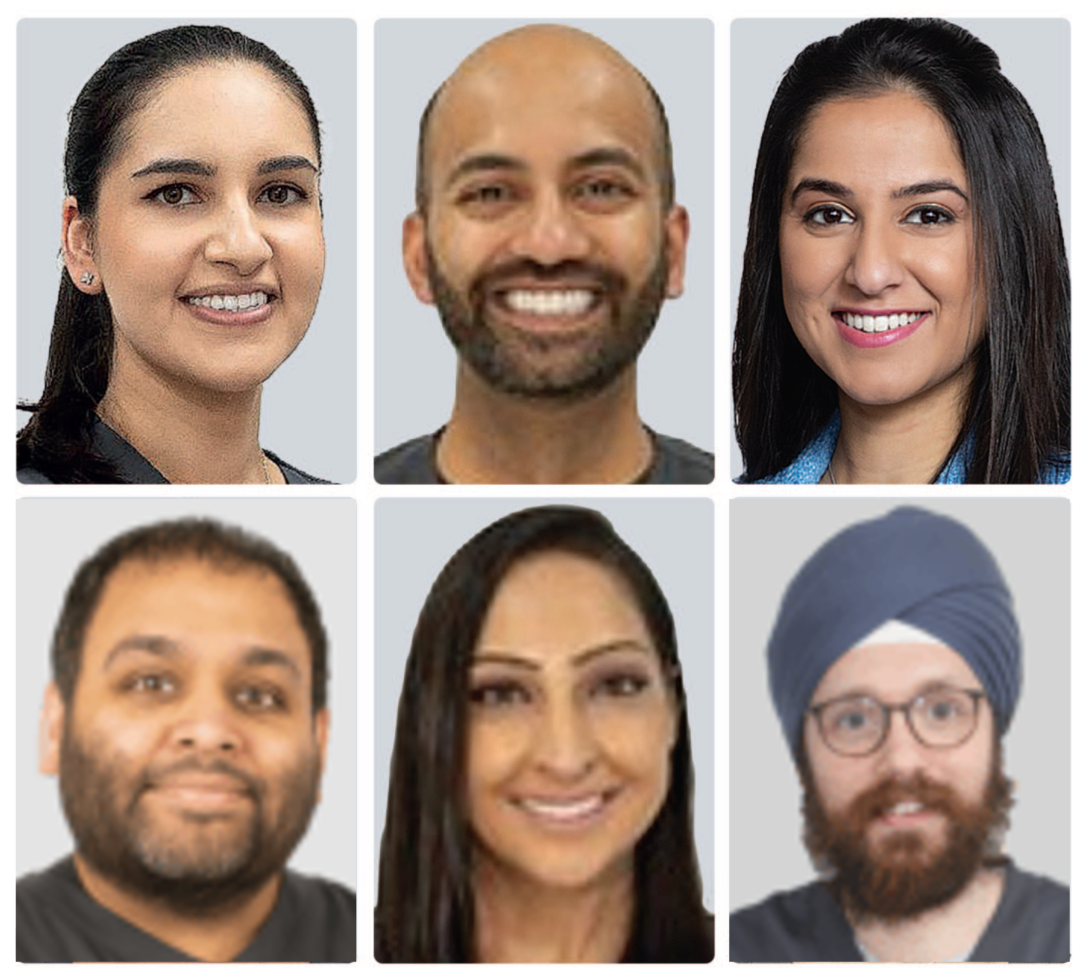
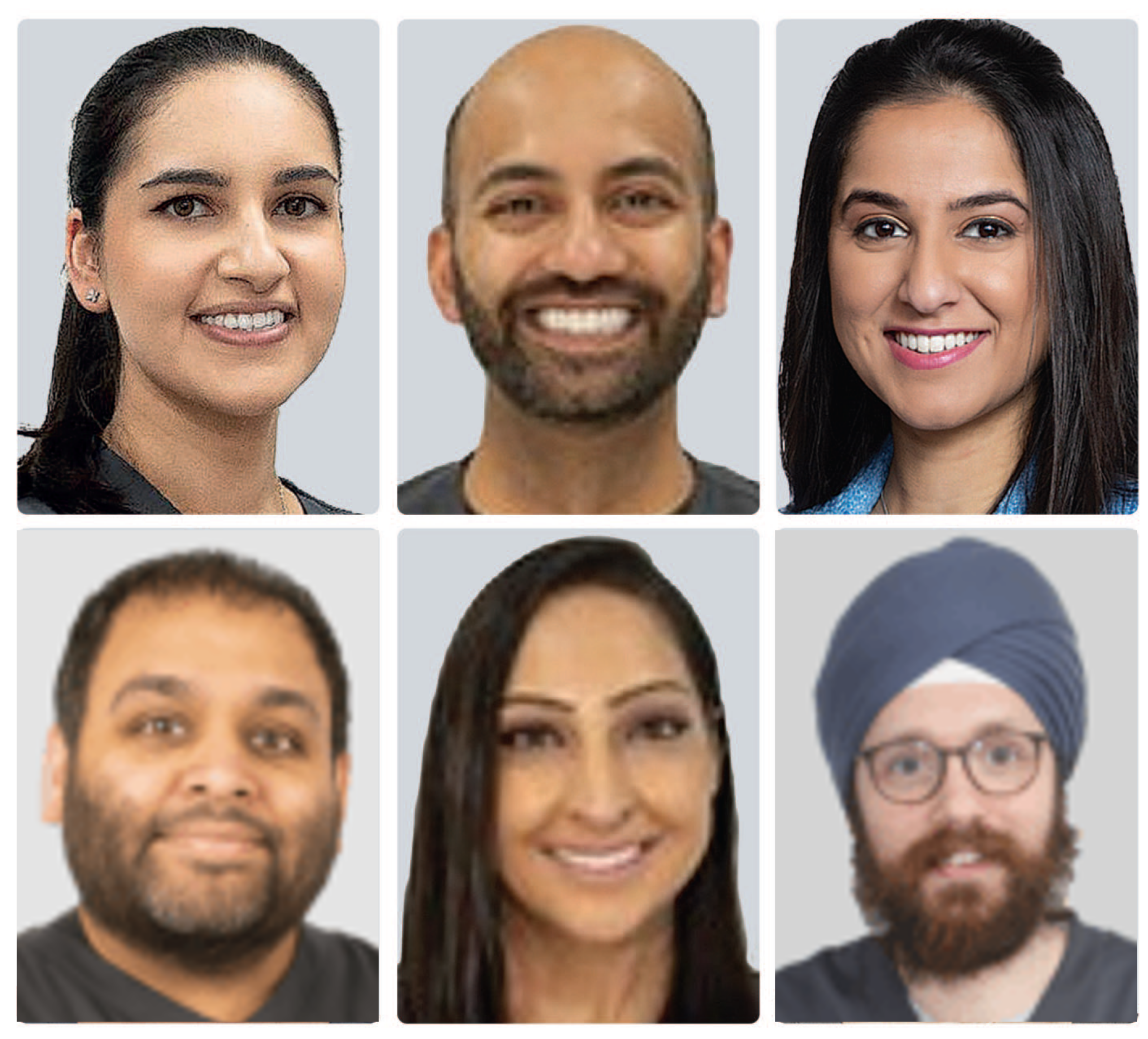
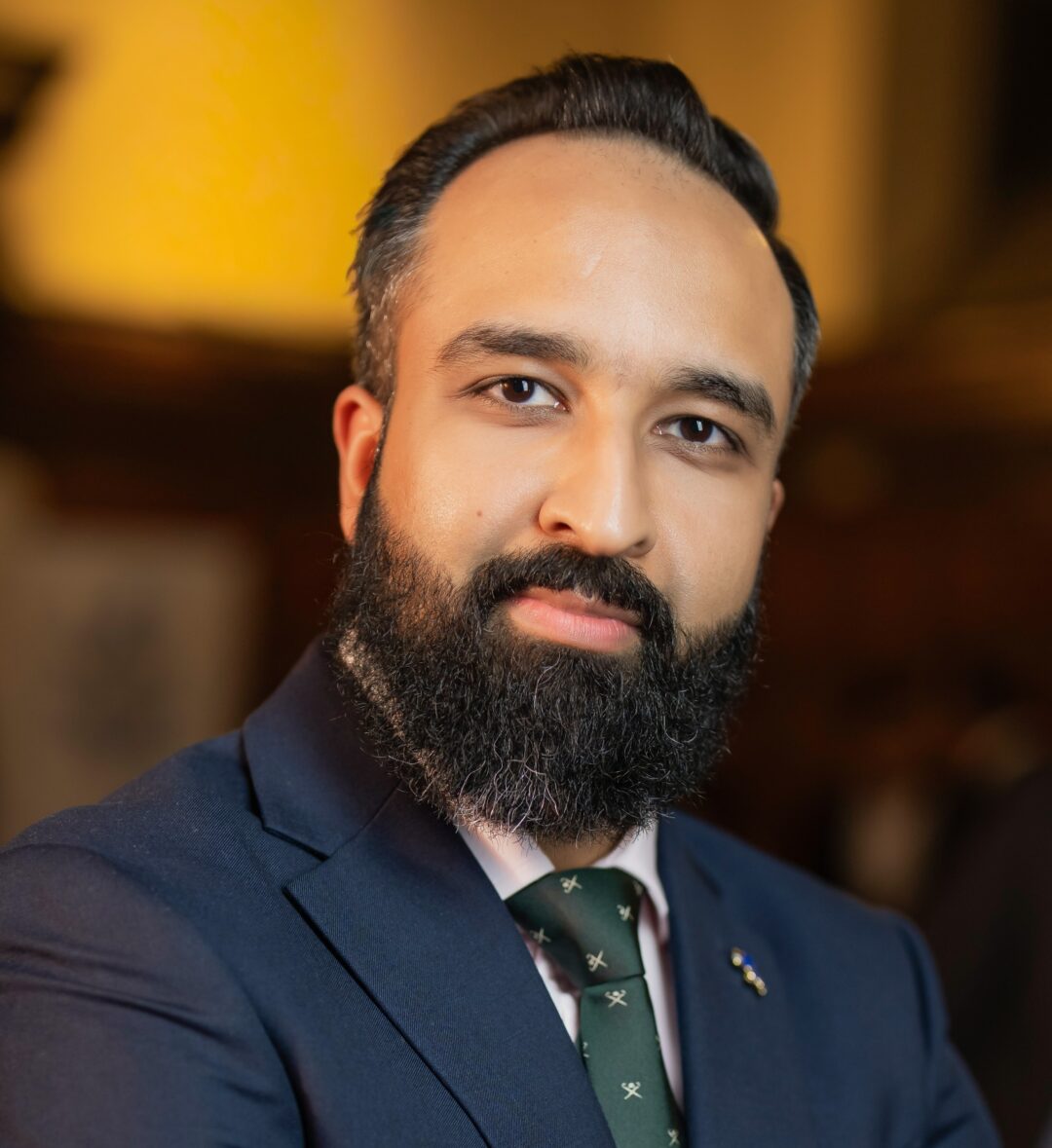
Leaders of upcoming CGDent Midlands Study Club events (clockwise from top left): Dr Aron Kandola, Dr Prakash Parekh, Dr Simran Bains, Dr Nick Robson, Dr Kam Panesar and Dr Vishal Klaire

Study Club evenings are designed to provide practical, peer-led learning that can be immediately applied in general dental practice, combining short, GDP-focussed teaching with interactive discussion of real-world cases and clinical challenges.

Most recently, the group discussed aesthetic and adhesive dentistry, and other subjects covered this year include cracks and dental pain, periodontics and dental implants. Previous topics have included endodontics, difficult extractions, dental photography, occlusion, tooth wear and bruxism, paediatric dentistry, managing medically compromised patients, hands-on suturing and rubber dam isolation.

Its summer programme of upcoming events comprises:

Each of the above events will take place at Rock Dental, a specialist referral practice in Wolverhampton, and is sponsored by Wrights UK. Space at each event is limited so early booking is advised.

Further information and booking is available via the button below:

Subscribe to receive to our monthly newsletter

Four new routes to Associate Fellowship

The College has opened four new routes to Associate Fellowship, expanding eligibility to those with suitable knowledge and experience in teaching, leadership, research or dento-legal matters.

A stepping stone to Fellowship, Associate Fellowship was introduced by the College at its inception to increase the standing of those dental professionals who have significantly developed their knowledge and skills. Open to those in all dental team roles, it bridges the large gap between Membership and Fellowship which previously offered no further recognition of these individuals’ achievements.

To date, Associate Fellowship has only been open to those holding particular qualifications, broadly aligning it to the requirements of the old Clinical domain of College Fellowship.

However, to widen relevance across different aspects of professional achievement, and to further recognise the diversity of contributions made to the profession in the service of patients, Associate Fellowship is now open to any dental professional with at least five years’ experience in practice who meets the requirements of any one of the College’s five Fellowship domains.

The recently revised domain requirements are openly published so that prospective Associate Fellows can easily check their eligibility and be confident in their application.

A summary of the domain requirements is below:

Clinical & Technical

This domain requires the applicant either to hold an eligible award or to submit a clinical portfolio demonstrating equivalent training and capability.

Qualifying awards include a relevant Postgraduate Diploma, Master’s degree or PhD from a recognised UK or EHEA higher education institution or an accredited UK provider; the CGDent Diploma in Primary Care Orthodontics or Certified Practitioner status; specialty membership of a UK Royal College or Royal College faculty; a diploma in a specific dental discipline from RCS England, RCS Edinburgh or the former FGDP; the MGDS, MAGDS, MDS or MRACDS; and Accredited Full Membership of the British Academy of Cosmetic Dentistry.

Alternatively, applications by clinical portfolio are currently open in Restorative Dentistry, with specifications for Implant Dentistry and Orthodontics due to be published soon.

Teaching & Assessment

This requires applicants to either be recognised by an authoritative body in this field, to have a relevant Postgraduate Certificate together with three years’ qualifying experience, or to have eight years’ qualifying experience plus verified training.

For example, applicants can qualify if they have eight years’ service as an NHS Educational Supervisor (for at least 200 hours per year), together with either 27 hours’ relevant and recent CPD or Fellowship of the Faculty of Dental Trainers of the Royal College of Surgeons of Edinburgh.

Leadership, Management & Clinical Governance

Applicants under this domain should either hold an eligible diploma-level leadership qualification, or a certificate-level leadership qualification together with three years’ service in a relevant leadership role, or have three years’ experience in a defined senior leadership role together with 10 hours’ relevant and recent CPD.

For example, applicants qualify if they have three years’ experience of leadership, oversight and accountability as principal or partner of a multi-chair practice with a minimum of six registrants, together with a relevant Level 7 Postgraduate Certificate or ILM Level 5 diploma.

Research & Publications

Applicants should either have completed a relevant Doctorate or Master’s degree including a research dissertation, or have had at least five peer-reviewed articles published in MEDLINE-indexed publications (such as the Primary Dental Journal) or Dental Update.

Law & Ethics

This domain requires applicants to have either five years’ experience in a qualifying role together with 10 hours’ relevant and recent CPD, or to have a law degree or relevant postgraduate qualification together with a year’s experience in a relevant role.

Associate Fellows are senior members of the College who are advancing their journey towards Fellowship. Recognised as ‘Enhanced Practitioners’ on the College’s Career Pathway, their professional standing is marked out by the use of the postnominal AssocFCGDent.

As members of the Fellowship Community, Associate Fellows reflect the College’s values and focus on professionalism, and help provide leadership and support to the development of dentistry. They can attend the prestigious biannual Fellows’ Receptions, and have the opportunity for ceremonial admission by the President.

Associate Fellows receive a 5% reduction in their dental indemnity fees with Dental Protection. They are also eligible to enrol on a ‘top-up’ MSc in General Dental Practice, completion of which can be achieved in a single year of part-time distance learning and would take them a further step towards Fellowship by satisfying the Research & Publications domain.

Like all College members, Associate Fellows receive quarterly print issues of the Primary Dental Journal, the only peer-reviewed professional development journal dedicated to general dental practice, as well as free or heavily discounted access to live CPD events, study days and networking opportunities.

There is no fee for applying to become an Associate Fellow, and existing members who successfully upgrade will only start paying the applicable higher membership fee from their next annual renewal.

Full details of the domains, and a link to apply for Associate Fellowship of the College, are available by clicking the button below:

Subscribe to receive our monthly newsletter

Midlands Study Club implant series

The College has announced a two-part exploration of dental implants by its Midlands Study Club over the coming weeks.

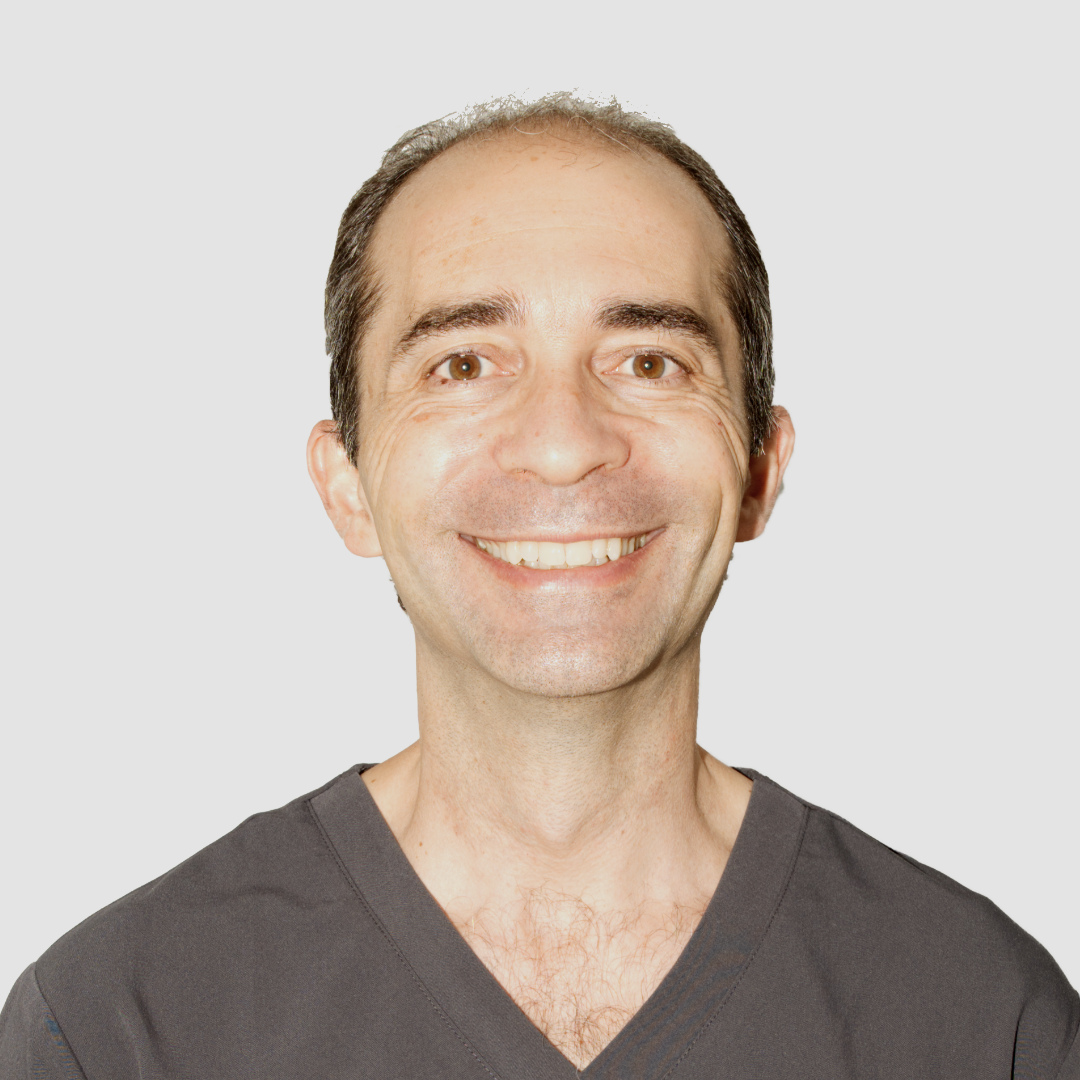
Dr Minas Leventis DipDS MSc PhD will be leading the CGDent Midlands implant series

Part one, on the evening of Monday 9 March 2026, will be devoted to implant restoration. Attendees will be able to:

  • gain hands-on implant restoration practice
  • gain insights from experienced specialists across multiple disciplines
  • explore evidence-based restorative protocols

Part two, on Monday 20 April 2026, will focus on after-care of dental implants. Attendees will have the opportunity to:

  • review evidence-based implant maintenance protocols
  • discuss management of peri-implant health and disease
  • get practical guidance on hygiene instrumentation and recall intervals
  • take part in case-based discussions and shared learning

Both events take place from 6-8pm at Rock Dental, a specialist referral practice in Wolverhampton, and attendees will be able to bring along their own cases for peer discussion and advice from its multi-disciplinary team in a relaxed and supportive environment.

The evenings will be led by Dr Minas Leventis DipDS, MSc, PhD, who manages complex cases in oral surgery, bone grafting, and implantology. After qualifying as a dentist from the University of Athens in 1999, he completed an MSc in Oral Pathobiology in 2003, a Specialty in Oral Surgery in 2004 and a PhD in Bone Grafting and Growth Factors in 2010. A faculty member at the University of Athens since 2002, he has practised in the UK since 2013 while continuing to lead experimental and clinical research projects internationally. Lecturing worldwide, he delivers postgraduate training in implantology and bone regeneration and has co-authored over 30 papers in PubMed-indexed journals. He is a Fellow and Diplomate of the International Congress of Oral Implantologists, President of the Scientific Board of Blue®m, and a scientific consultant for several biomaterials companies.

The two Study Club evenings, each of which comes with 2 hours’ CPD, are sponsored by Wrights UK. There are ten places available at each evening; these are free for College members, with a small fee applying for all other dental professionals.

To find out more, and to book your place, click the button below:

Subscribe to receive our monthly newsletter

Fast-track MSc for Associate Fellows and Fellows, 2026-27

Fellows and Associate Fellows of the College are reminded that they are eligible to enrol on a ‘top-up’ Master’s degree which can be completed during a single year of part-time distance learning. The next cohort starts in September 2026 and successful completion satisfies the Research & Publications domain of Fellowship.

Holders of ‘FCGDent’ and ‘AssocFCGDent’ status can enter via advanced standing into Stage 3 of the MSc in General Dental Practice offered by Aston University, with their attainment recognised as equivalent to 90 credits of relevant prior learning at level 7.

The arrangement applies regardless of dental team role or location, so long as the applicant meets the university’s standard postgraduate admissions criteria.

The course consists of a 30-credit taught module in advanced research methods followed by a 60-credit individual research project pertaining to clinical dental practice.

The programme develops competence in research skills including:

  • development of hypotheses
  • research design and execution
  • data analysis and interpretation
  • critical evaluation of literature
  • understanding of ethical issues
  • reporting of an empirically-based project

On completion of the taught component, students will be able to select and implement appropriate quantitative and qualitative techniques for different research questions and designs, and will know how to manage their time and resources when undertaking research independently. They will then develop a suitable research question for their topic of choice within the field of general dental practice and plan a programme of research.

Led by Dr Stuart Ellis FCGDent, a former FGDP(UK) examiner and Clinical Director of a five-surgery general dental practice, the programme is delivered by the Cambridge Academy of Implant Dentistry. Learning methods include online lectures, seminars, tutorials, small group activity, independent study, assignments and reflections on assignment feedback. Assessment will be through a combination of continuous assessment, logbook, research proposal, presentations and a dissertation.

In meeting the requirements of the Research & Publications domain of College Fellowship, successful completion of the MSc in General Dental Practice would enable most Associate Fellows to take a step closer to full Fellowship, which requires the fulfilment of three of the five Fellowship domains.

For further information, and to register your interest, email [email protected], call 0121 204 3200 (Monday-Friday 9.30am-4.30pm), or click the button below.
Subscribe to receive our monthly newsletter

Fellows’ Winter Reception

Thursday 25 June 2026, 6-9pm, London

The Livery Hall, Cutlers’ Hall, Warwick Lane, London EC4M 7BR

The fifth annual College of General Dentistry Fellows’ Winter Reception will take place on the evening of Thursday 28 January 2027 in the historic Cutlers’ Hall in London.

The event is an opportunity to network with peers over drinks and canapés, as well as to meet College Trustees and members of the College Council and Faculty Boards.

A welcome by the Chair of the College and an address by the President will be followed by the admission of new Fellows and Associate Fellows.

Taking place from 6pm to 9pm, with registration open from 5.30pm, it will be the final element of the Winter Day programme of events (further details to follow).

Formal business attire is recommended

Ticketing

The event is open to all members of the College’s Fellowship community (Associate Fellows and Fellows), as well as members of the College’s Board of Trustees, Council and Faculty Boards.

Information on eligibility for Associate Fellowship and Fellowship is available here

Ticket prices and a registration link will be posted here in due course.

Subscribe to receive our monthly newsletter

Rethinking leadership in dentistry: beyond clinical excellence

Professor Igor Blum, Editor of the Primary Dental Journal (PDJ), reviews the meaning of leadership – the theme of the upcoming issue – within the context of dentistry and the general dental team.

Dentistry stands at a crossroads. Today’s dental professionals do more than deliver treatment – they manage teams, communicate under pressure, work across complex systems, manage regulatory challenges, navigate ethical dilemmas, adopt new technologies, and care for increasingly diverse and complex patient needs.

In this context, dentistry depends as much on leadership as it does on clinical competence. Dentistry cannot meet tomorrow’s challenges without educating the leaders of tomorrow, and the dental profession and dental educators have an essential role in shaping that future.

The Autumn 2025 issue of the Primary Dental Journal (PDJ) explores what “leadership” means in the context of healthcare and, in particular, dentistry from the perspective of a variety of team members, and why leadership is increasingly recognised as a critical domain for dental professionals.

Leadership in dentistry has long been viewed through the narrow lens of clinical seniority: the most experienced clinician, the most decorated consultant or specialist, or the individual who has simply “been around the longest.” Yet modern dentistry – multidisciplinary, digitally driven, team-based, and increasingly complex – demands a different understanding of what leadership truly means.

Nowadays, leadership in dentistry is less about hierarchy and more about fostering a positive, supportive culture, creating environments where people can thrive. It is the ability to navigate uncertainty, steward organisational or practice culture, support colleagues’ wellbeing, and translate vision, both clinical and non-clinical, into systems and behaviours that improve patient care. In an era marked by relentless workforce shortages, escalating regulatory scrutiny, and a more litigious landscape, let alone increasing patient expectations, and an expanding scope of practice, leadership is no longer optional – it is compulsory.

In many cases, dentists – and sometimes dental care professionals – enter leadership positions almost by chance, without prior preparation or intention, rather than through deliberate career planning. Many find themselves leading teams, services, or departments without formal leadership training, relying instead on clinical logic and common sense to solve organisational challenges. But clinical acumen and common sense do not automatically confer leadership competence.

As readers can glean from articles in this issue of the PDJ, effective leadership in dentistry requires:

  • reflective practice to learn from error, change behaviour, and model humility
  • clear communication to translate strategy into day-to-day action
  • the ability to effectively manage difficult conversations
  • emotional intelligence to respond to stress, conflict, and diverse personalities
  • courage to address performance concerns, speak up for safety, and challenge inefficient systems
  • vision to anticipate future needs – technological, educational, and demographic

These attributes are cultivated, not inherited. As a profession, we must recognise that leadership is a skillset that demands deliberate development.

Good leadership has measurable clinical consequences. Teams led by authentic, supportive leaders demonstrate better compliance with safety protocols, fewer adverse incidents, and higher patient satisfaction. Conversely, poor leadership is a well-recognised contributor to staff burnout, low morale, regulatory referrals, and declining quality of care.

In this sense, leadership is not separate from clinical practice – it is clinical practice. When a leader fosters psychological safety, team members are more likely to ask for help, discuss decisions, and escalate concerns before harm occurs. When leaders model professionalism, the culture follows. Leadership, therefore, is an evidence-based intervention that directly affects patient outcomes.

The document “The Safe Practitioner: A framework of behaviours and outcomes for dental professional education”,1 published by the General Dental Council (GDC) has replaced “Preparing for Practice”2 as the curriculum document for all programmes of undergraduate dental education in the UK from September 2025. The new framework states that all dental professionals should “where appropriate, lead, manage and take professional responsibility for the actions of colleagues and other members of the team involved in patient care.” Although the language of the framework throughout its various domains and sub domains may not always mention “leadership”, the expectations clearly do.

Therefore, dental schools and postgraduate programmes have an opportunity – and responsibility – to embed leadership development into curricula. Students and trainees should graduate not only as “competent” clinicians, but as professionals equipped to lead teams, contribute to service improvement, and navigate the emotional realities of modern healthcare.

Leadership training should include:

  • human factors and systems thinking
  • communication and conflict resolution
  • reflective and resilient practice
  • understanding diversity, equity, and inclusion
  • ethical decision-making and professionalism
  • real-world exposure to service leadership, not purely theory

We cannot expect clinicians to lead effectively if we never teach them how. If we want graduates who are truly prepared for practice, we must prepare them for leadership.

The College of General Dentistry defines leadership as a learnable “science and art” and integrates it as a key domain within both its Professional Framework for Dentistry and its experience-based route to Fellowship.3,4 Rather than prescribing specific qualities for every single stage, the framework outlines a general progression across career levels, with leadership skills becoming increasingly sophisticated and team oriented as a practitioner advances. The College emphasises that leadership skills are vital for all members of the dental team, regardless of their formal role, as every dental professional is inherently a leader within their practice.

The pressures of contemporary practice – clinical, financial, organisational, and regulatory – will only intensify. Strong leadership is the compass that keeps teams aligned, grounded, and focused on what matters most: the delivery of safe, compassionate, and high-quality care. It is recognised that, ultimately, there is no “one size fits all” approach to leadership in dentistry, but recognition of its importance, and perseverance with establishing a leadership model that works, can transform our clinical environment.5

Our profession must embrace leadership as a collective responsibility, not a title reserved for the few. Every dental professional – whether in training, practice, education or governance – has a role to play in shaping a culture where people feel valued, supported, and inspired.

The future of dentistry will not be defined only by the technologies we adopt or the treatments we deliver, but by the leaders we develop. In this token, I am deeply grateful to Dr Sree Koka, the guest editor of the upcoming leadership-themed issue, and to the many other contributing authors for their essential input producing such wealth of excellent, interesting, and informative articles which can serve as an invaluable source of wisdom for the general dental practice team. It is my sincere hope that readers will find the collection of articles of interest and that the issue will be an asset to all dental professionals in their working environment.

To receive the Leadership issue of the PDJ, join the College by Thursday 4 December 2025.

The Primary Dental Journal is the College’s quarterly peer-reviewed journal dedicated to general dental practice. The titles and abstracts of PDJ papers are available to all dental professionals via the searchable PDJ homepage, with full paper access available to College members through the PDJ Library.

The leadership issue will be available online in mid-December and printed copies should arrive with College members in late December.

References

1. General Dental Council (GDC). The Safe Practitioner: A framework of behaviours and outcomes for dental professional education. [Internet]. London: GDC; 2025. Available at gdc-uk.org/education-cpd/dental-education/quality-assurance/learning-outcomes-and-behaviours#safe [Accessed Nov 2025].

2. General Dental Council (GDC). Preparing for practice: Dental team learning outcomes for registration (2015 revised edition). [Internet]. London: GDC; 2015 (updated 4th July 2019). Available at gdc-uk.org/docs/default-source/registration/registration-for-dcps-qualified-in-an-eea-member-state/preparing-for-practice-(revised-2015).pdf?sfvrsn=e76ff46d_2 [Accessed Nov 2025].

3. The College of General Dentistry (CGDent). Career Pathways in Dentistry: Professional Framework. [Internet]. London: CGDent; 2022. Available at cgdent.uk/career-pathways [Accessed Nov 2025].

4. The College of General Dentistry (CGDent). Fellowship by experience. [Internet]. London: CGDent; 2024. Available at cgdent.uk/fellowship-by-experience [Accessed Nov 2025].

5. McColl E, Bryce G. Leadership in dentistry: what does it really mean? Dental Update. 2025;51(6):383-384.

Subscribe to receive our monthly newsletter

College masterclass teaches leadership development skills

The College recently hosted a Leadership Development Masterclass for dental professionals.

Professor Sreenivas Koka FCGDent presenting to participants at the CGDent Leadership Development Masterclass

The masterclass taught some of the most critical elements needed to be an effective team leader, with carefully curated content offering appropriate breadth and depth for early-career leaders, including

  • Giving and receiving feedback as a leader
  • Learning one’s motivations for leadership (and adapting accordingly)
  • Measuring your leadership effectiveness

The one-day programme, which took place at the Royal Society of Medicine in London on Tuesday 14 October 2025, was restricted to Full Members, Associate Fellows and Fellows of the College and was attended by members from across the dental team.

The event was led by Professor Sreenivas Koka DDS MS PhD MBA MAS FACD FCGDent and Professor Elizabeth Carr MAADH DHA FACD(Hon) FCGDent.

Professor Koka is co-founder of Executive Leadership Enterprises and the Future Leaders in Prosthodontics (FLiP) programme, and founder of both the Shaping the Future of Implant Dentistry (SHIFT) leadership workshop series and the non-profit Career Design in Dentistry organisation. He is also a former Chair of the Massachusetts Institute of Technology (MIT) Sloan School of Management Alumni Board. Dean of the University of Mississippi School of Dentistry from 2021-2024, he has been a lecturer at the University of Michigan and University of California Los Angeles, and a professor at Loma Linda University, the University of Nebraska and the Mayo Clinic. In addition to qualifying as a Doctor of Dental Surgery, he holds a Master’s in Prosthodontics from the University of Michigan, an MBA from MIT, a Master’s in Applied Sciences from Johns Hopkins University and a PhD from the University of Nebraska. He was the founder and owner of Premium Dental Editing in Rochester, Minnesota, and of Koka Dental Clinic in San Diego, and is the author/co-author of over 100 peer-reviewed articles and nine book chapters. A Fellow of CGDent, he was brought up in Romford, emigrated to the United States at the age of 19 and is one of 16 dentists in his family.

Professor Carr is Chair of the Department of Dental Hygiene, Professor of Dental Hygiene and Director of the Mississippi Population Oral Health Collaborative at the University of Mississippi School of Dentistry, where she has worked for over 20 years. She holds a Bachelor’s degree in Dental Hygiene and a Doctorate in Health Administration from the University of Mississippi and a Master’s in Dental Hygiene from the University of Tennessee. She has also completed the MIT Sloan School of Management’s Executive Certificate programme in Leadership and Management. A Fellow of the CGDent, she is also an Honorary Fellow of the American College of Dentists, a past President of the Mississippi Dental Hygienists’ Association, and a member of the American Dental Hygienists’ Association and the American Academy of Dental Hygiene. Her peer-reviewed articles on leadership and dental education have been published in the Journal of the American College of Dentists, the Journal of International Oral Health, the Journal of Prosthodontic Research, the Journal of Prosthetic Dentistry, the Journal of Dental Hygiene and the Journal of Dental Education.

Professor Koka is also the guest editor of the next issue of the Primary Dental Journal (PDJ), which will be published later this year on the theme of leadership, and co-author of its paper ‘Oral health in the context of patient well-being: Implications for the general dentist’. Professor Carr is the author of ‘Effectively managing difficult conversations with patients and dental teams’. Both are co-authors of ‘Everyday leadership’.

Simon Thornton-Wood PhD, Chief Executive of the College, said:

“To practise dentistry requires years of education, yet people can take on leadership roles with little or no training at all. First-time and second-time dental leaders are challenged because other people’s actions now define them; the potential to fail in a leadership role is high and the consequences can be significant.

“That’s why leadership in dentistry is such a focus for the College. It was the theme of our very first journal issue in 2021, we’re re-visiting it in the next issue, it is one of our five domains of Fellowship and we have a recorded webinar on the subject available free of charge for all our members. It is also the topic of a blog post by our Immediate Past President, under whose Presidency we hosted a Leadership Workshop for early career dental professionals.

“Leadership can be taught and learned, so we were delighted to be able to host this masterclass, and privileged that it was delivered by two College Fellows who are world-leading scholars in the art and science of practising leadership in the context of oral healthcare delivery.”

Subscribe to receive to our monthly newsletter

The art and science of oral medicine

Professor Igor Blum, Editor of the Primary Dental Journal (PDJ), outlines the evolution of oral medicine – the theme of the latest issue, which provides an overview and update of the field for the general dental team

The art and science of oral medicine begins with the pioneering work of Sir Jonathan Hutchinson (1828–1900), a surgeon at the London Hospital, who is also regarded in the UK as the Father of Oral Medicine.1 He reported on the dental manifestations of congenital syphilis, intraoral pigmentation and perioral pigmentation associated with intestinal polyposis, later described by Peutz in 1921.2 Subsequently, ten further cases were described by Jeghers, McKusick, and Katz who also reviewed the literature on this topic in 1949.3 Individuals with Peutz-Jeghers syndrome commonly present with an association of gastrointestinal polyps, mucocutaneous pigmentation, a familial incidence, and are at an increased risk of various cancers.

Much of the early description of oral mucosal diseases was found in dermatology textbooks, as documented in the works of the English surgeon and dermatologist Sir William James Erasmus Wilson (1809–1884).4,5 Sir William Osler (1849–1919), a Canadian physician and co-founder of the Medical Library Association of Great Britain and Ireland, recognised the importance of the oral cavity and believed that the tongue and oral mucosa reflect a patient’s overall health.6 This idea, held in various medical and traditional practices, suggests that changes in the appearance or condition of the mouth, including the tongue and soft tissues, can indicate underlying systemic health issues.

In a thoroughly researched and well written article by Professor Crispian Scully in 2016, he described the immense contributions of various stalwarts who were instrumental in the initiation and popularisation of the discipline of oral medicine over a 50-year period, between 1920 and 1970.7 In the UK, the evolution of oral medicine has its origin in oral pathology and resulted in its recognition as a dental specialty by the General Dental Council in 1998, with tribute paid to the founders of the British Society for Oral Medicine (BSOM) – the predecessor organisation of The British & Irish Society for Oral Medicine (BISOM) which was established in 1981.

Although not a substitute by any means for an extensive quality textbook on oral medicine, the editorial team felt it was timely to produce an issue of the Primary Dental Journal devoted to the common and important oral medicine conditions encountered in general dental practice. This themed issue on oral medicine is geared to primary care dental practitioners and dental care professionals as a refresher and an update on oral medicine-related diseases. The articles in this issue provide an overview of current thinking in the more relevant areas of oral medicine. The clinical aspects of the relevant disorders are discussed, including a brief overview of the aetiology, detail on the clinical features, and how the diagnosis is made. Guidance on management and when to refer is also provided, along with relevant websites which offer further detail.

A major challenge in the diagnosis of oral disease is the need for memorising long lists of oral lesions from oral medicine/oral pathology literature. This is made more difficult because many of these lesions are not frequently encountered by the primary care dental team. This new issue of the journal highlights common oral conditions that may be encountered in the dental practice. Pulpal, periapical, and periodontal diseases are intentionally not discussed in this issue since primary care dental clinicians are experienced in diagnosing and managing those conditions.

I trust that the oral medicine-themed issue of the PDJ will serve as a tabletop reference in General Dental Practice. The discussion of the entire spectrum of oral diseases is beyond the scope of this single issue; instead, we have selected what we believe to be important oral medicine conditions. The introductory article addresses an approach in formulating clinical diagnosis and management of the various types of oral candidosis. This is followed by articles on oral lichen planus and lichenoid lesions, managing a dry mouth in primary care, a review of common oral medicine conditions in children, oral facial pain, burning mouth syndrome, and chronic graft versus host disease (cGvHD). Although the latter is less common, it can occur in the increasing numbers of patients receiving hematopoietic stem cell transplants.8

The information presented is primarily aimed to cover the diagnostic aspects and an overview of patient management, including patient referral. The main objective is to provide readers with a cutting-edge update on the above topics, including raising awareness of the need to diagnose and manage patients with oral medicine conditions in primary care, and when to make a referral to an oral medicine service if available. Alternatively, a referral to a specialist in oral and maxillofacial surgery can be made when appropriate.

It is hoped that this themed issue will help the primary care dental team to integrate the principles of oral medicine and oral pathology into clinically applicable concepts that will enable the practitioner to develop clinical differential diagnoses and participate in definitive diagnosis through a multidisciplinary approach with dental specialty teams. It is my further hope that the reader will not only be provided with updated information as to the multiple facets of oral medicine conditions but will also find new information to further aid them in the diagnosis and management of these occasionally enigmatic disorders.

No issue of the Primary Dental Journal could come to successful fruition without the contributions of well-qualified authors. I am extremely thankful to the guest editor, Dr Emma Hayes, consultant in oral medicine, and to all contributing authors for their invaluable input to this issue. I believe that this edition of the Primary Dental Journal will be an asset and resource to the general dental practice team.

The Primary Dental Journal is the College’s quarterly peer-reviewed journal dedicated to general dental practice. The titles and abstracts of PDJ papers are available to all dental professionals via the searchable PDJ homepage, with full paper access available to College members through the PDJ Library.

Printed copies of the Summer 2025 issue on oral medicine should arrive with College members in the second half of September.

References

1 Spielman AI. History of Oral Diagnosis, Medicine, Pathology and Radiology. In: Illustrated Encyclopedia of the History of Dentistry. [Internet]. New York: History of Dentistry and Medicine; 2023. Available at historyofdentistryandmedicine.com [Accessed Jun 2025]

2Peutz JLA. Over een zeer merkwaardige, gecombineerde familiaire pollyposis van de sligmliezen van den tractus intestinalis met die van de neuskeelholte en gepaard met eigenaardige pigmentaties van huid-en slijmvliezen (Very remarkable case of familial polyposis of the mucous membrane of the intestinal tract and nasopharynx accompanied by peculiar pigmentations of skin and mucous membrane). Nederl Maandschr v Geneesk. 1921;10:134-146. Dutch.

3Jeghers H, McKusick VA, Katz KH. Generalized Intestinal Polyposis and Melanin Spots of the Oral Mucosa, Lips and Digits — A Syndrome of Diagnostic Significance. N Engl J Med. 1949;241(26):1031-1036.

4Wilson E. On The Management of the Skin as a Means of Promoting and Preserving Health (3rd ed.). London: John Churchill; 1849. Retrieved 15 June 2025. Full text at Internet Archive (archive.org)

5Wilson E. On Diseases of the Skin (4th American, from the 4th & enlarged London ed.). Philadelphia: Blanchard & Lea; 1857. Retrieved 15 June 2025. Full text at Internet Archive (archive.org)

6Stone MJ. The wisdom of Sir William Osler. Am J Cardiol. 1995;75(4):269-276.

7Scully C. Oral medicine in academia. Oral Surg Oral Med Oral Pathol Oral Radiol. 2016;122(1):111.

8Passweg JR, Baldomero H, Chabannon C, et al. Hematopoietic cell transplantation and cellular therapy survey of the EBMT: monitoring of activities and trends over 30 years. 2021;56(7):1651-1664.