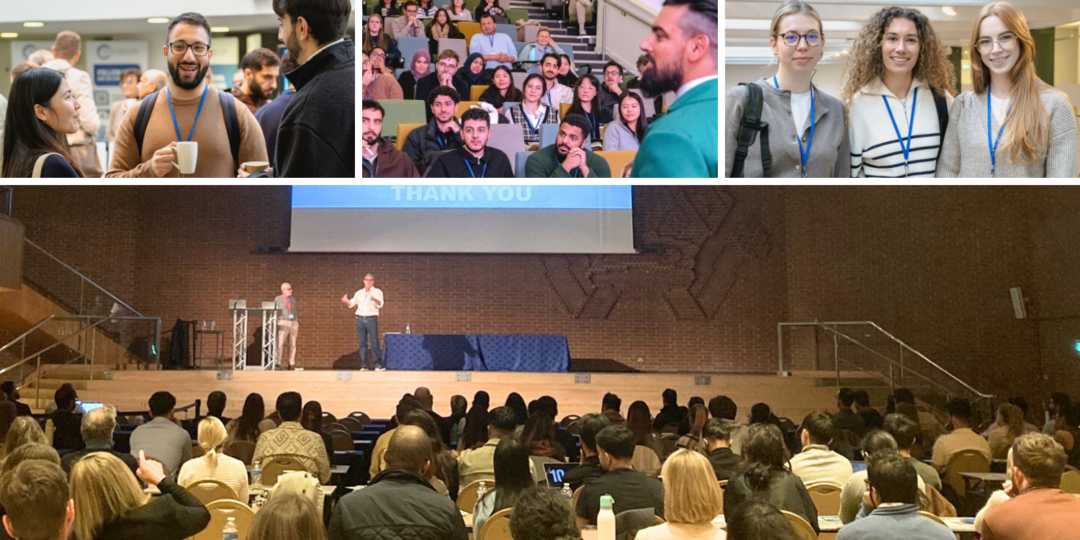
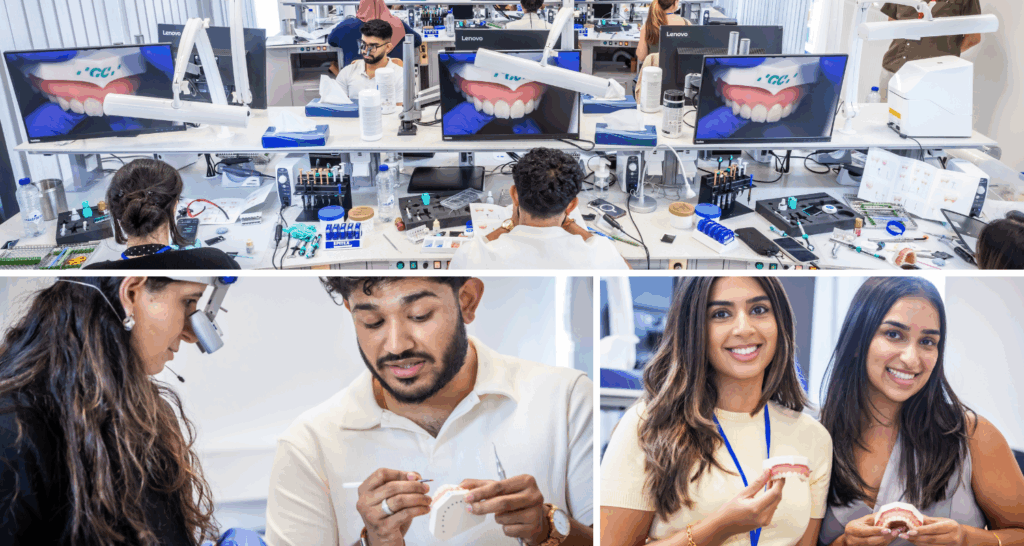
The Introduction to Occlusion Symposium, which took place in London and Edinburgh last year, is heading to Manchester on Saturday 24 October 2026. Registration is now open and an early bird discount is available until 26 May.
Introduction to Occlusion Symposium, London and Edinburgh
The aim of the event, which has been organised by the Tom Bereznicki Charitable Educational Foundation in conjunction with the College, is to elevate delegates’ knowledge of the fundamental principles of occlusion and how they can support the placement of successful, long-term restorations for patients presenting with tooth wear and other conditions. It is designed for early career dental professionals but all dental professionals are welcome to attend.
Members of the College are asked to share details of the symposium with friends and colleagues who may wish to attend.
The programme will be delivered by the panel of six renowned speakers who impressed delegates at the symposia in London and Edinburgh.
The day will commence with a lecture by Dr Bereznicki, who will use real failure cases to illustrate what can happen if a patient’s occlusion is not assessed and treated.
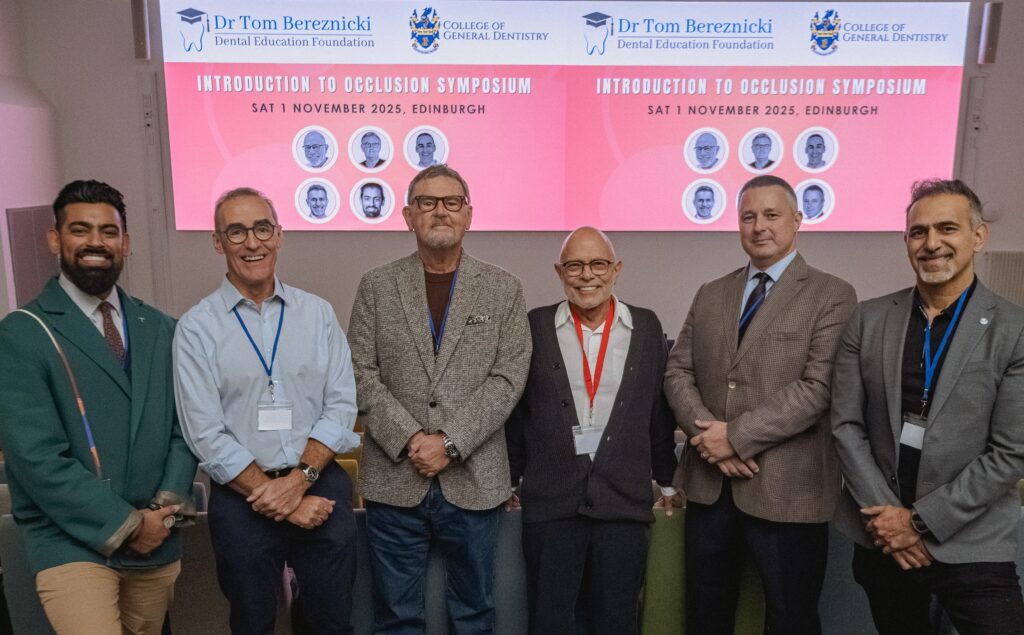
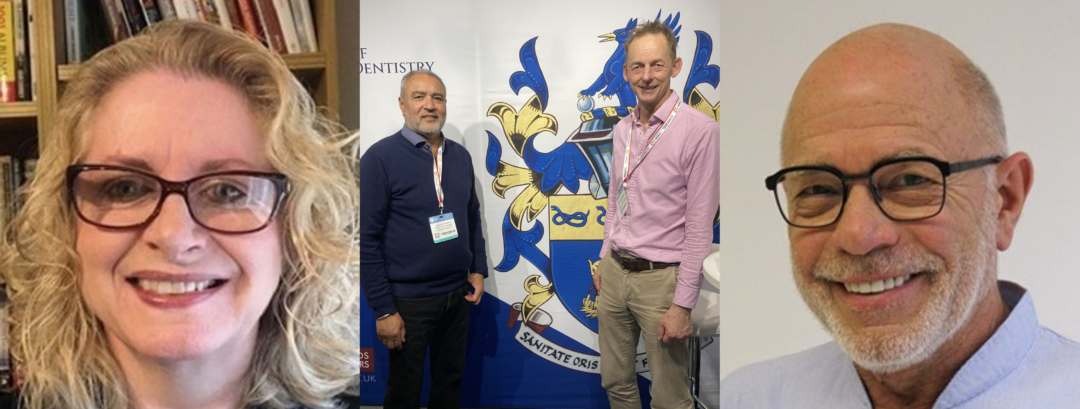
Symposium speakers l-r: Dr Shiraz Khan, Dr Ken Harris, Prof Paul Tipton, Dr Tom Bereznicki, Dr Koray Feran, Dr Tif Qureshi
Alongside the programme of lectures, delegates who wish to develop their knowledge of occlusion further can visit a hand-picked selection of education stands to learn more about leading postgraduate courses available in this field.
The fees have been set to ensure the symposium is accessible to all dental professionals. A limited number of free places are available to students who graduate after 2026. For early career practitioners who qualified between 2021 and 2026, the fee is £90.
For all other dental professionals, the early bird rate is £175 and is available until midnight on Tuesday 26 May. The full fee of £225 will then be available. Fees include refreshments throughout the day, a two-course lunch and 6 hours of verifiable CPD.
You can find further information and secure your early bird place by clicking the button below.
The Tom Bereznicki Charitable Educational Foundation, in collaboration with the College, offers a range of clinical skills competitions and events for early career practitioners. Two competitions are currently open for entries:
Tom Bereznicki Award for Tooth Wear Cases – open until Monday 10 August 2026 – 20 winners will each be awarded a fully funded place on an injection moulding course.
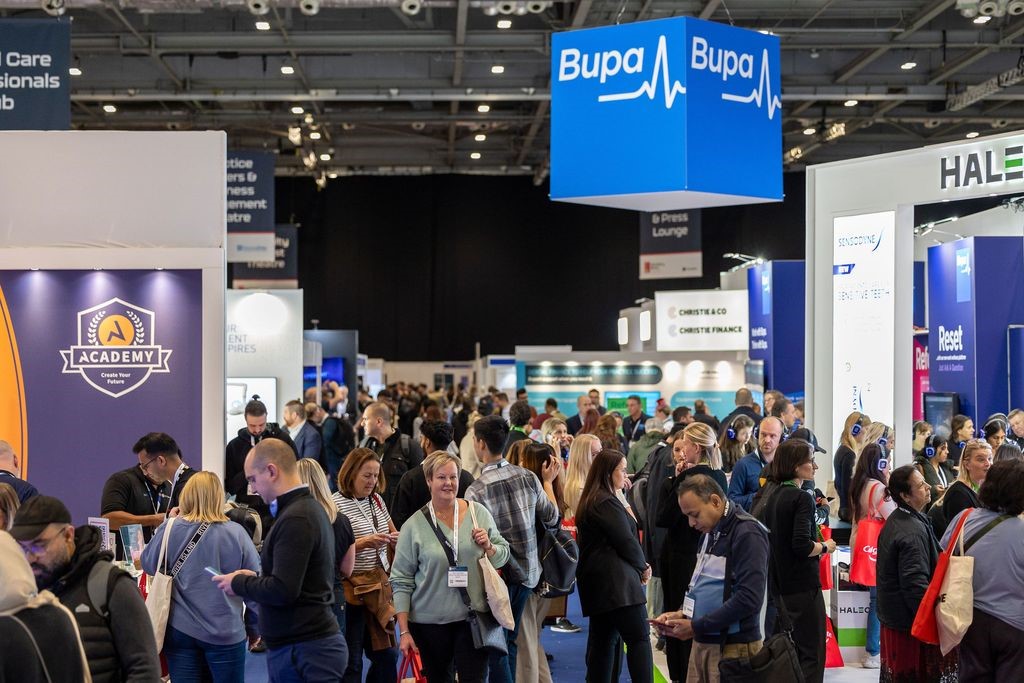
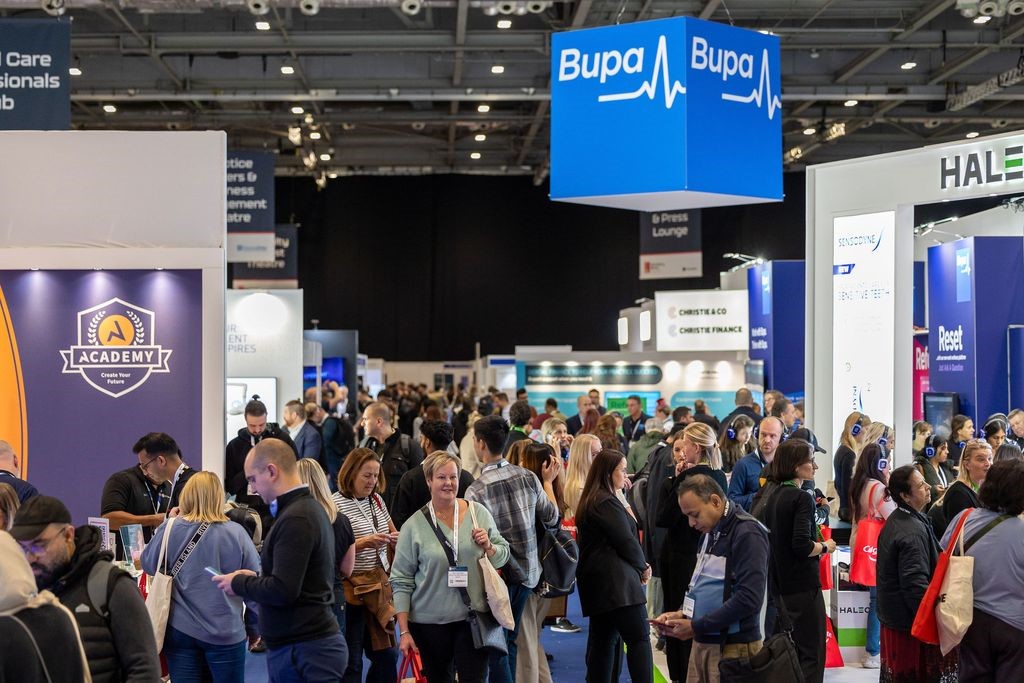
The College will once again be an education partner at the British Dental Conference and Dentistry Show this year.
CGDent speakers at British Dental Conference and Dentistry Show 2026: Helen Kaney FCGDent (left) and Tom Bereznicki FCGDent (right). Centre: College representatives at the CGDent stand
The College will be delivering two lectures, which will be open to all dental professionals and free of charge for members and non-members of the College alike:
Helen Kaney FCGDent, Head of the Dental Division at the Medical and Dental Defence Union of Scotland, will deliver this lecture in the Private Dentistry Theatre. A dually qualified dentist and solicitor, Helen graduated BDS from Glasgow University in 1987 and spent many years in general dental practice as well as working as a clinical assistant in conservative dentistry and prosthodontics at Glasgow Dental Hospital and at Guy’s Hospital in London. She developed an interest in law and ethics early in her career and studied law, obtaining an LLB, and then trained and worked as a solicitor for several years, acting for doctors and dentists in clinical negligence claims, regulatory matters and Fatal Accident Inquiries (Coroner’s Inquests) on the instructions of UK indemnity providers. She has significant experience in advising and assisting dentists in the UK and Ireland and in several international jurisdictions, and spent 14 years at Dental Protection as a Dentolegal and Senior Dentolegal Adviser and latterly as Medico and Dentolegal Services Team Lead and Head of Dental Services, Scotland. She completed an MBA at Strathclyde Business School, is a Fellow of the Faculty of Forensic and Legal Medicine of the Royal College of Physicians, and served as an elected National Representative on the College Council from 2019-2025.
Tom Bereznicki FCGDent, general dental practitioner and founder of the Tom Bereznicki Charitable Educational Foundation, will deliver this lecture in the Private Dentistry Theatre. After graduating from Edinburgh, Dr Bereznicki worked as a house surgeon at Guy’s and The Royal Dental Hospitals before entering general dental practice, in which he has over 40 years’ experience. With a special interest in restorative dentistry, in particular occlusion and emergence profile, he was also a visiting clinical specialist teacher at King’s College London Dental Institute and later joined the teaching faculty for the university’s MSc in Aesthetic Dentistry. In 2018, he joined the Academy of Dental Excellence as a senior specialist teacher, and in 2021 became a partner associate lecturer for the University of Portsmouth’s Postgraduate Diploma in Advanced Aesthetic and Restorative Dentistry. A former member of the FGDP and Founder Member of CGDent, he has been a Fellow of the College since 2022, is a regional speaker on occlusion for the British Academy of Cosmetic Dentistry, and is a member of both the Faculty of Dental Trainers at the Royal College of Surgeons of Edinburgh and the Faculty of Dental Surgery of the Royal College of Surgeons of England.
College representatives will also be available throughout the show at the College’s exhibition stand(L75) to talk to attendees about all aspects of membership, fellowship and the College’s vision for the profession.
It is not possible to register for any specific lecture in advance, however those wishing to attend will need to register for BDCDS26, which is free for all dental professionals.
Conference attendees will have access to 200 CPD lectures, as well as 400 exhibiting suppliers, and the opportunity to network with 10,000 dentists, practice managers, hygienists and therapists, dental nurses, technicians and laboratory owners.
The College has partnered with the Tom Bereznicki Charitable Educational Foundation and GC to develop a new tooth wear award for early career dentists.
The Tom Bereznicki Award for Tooth Wear Cases recognises restorative and aesthetic dentistry skills and patient care and is open to dentists who qualified between 2020 to 2024 and practise in the UK or Ireland.
College members are urged to share the details with eligible colleagues.
Up to 20 successful candidates will each receive a fully funded place on a bespoke, hands-on injection moulding course which takes place on Saturday 5 December 2026. The prize, worth around £1,000, includes the cost of travel to GC’s UK training facilities, as well as hotel accommodation and subsistence.
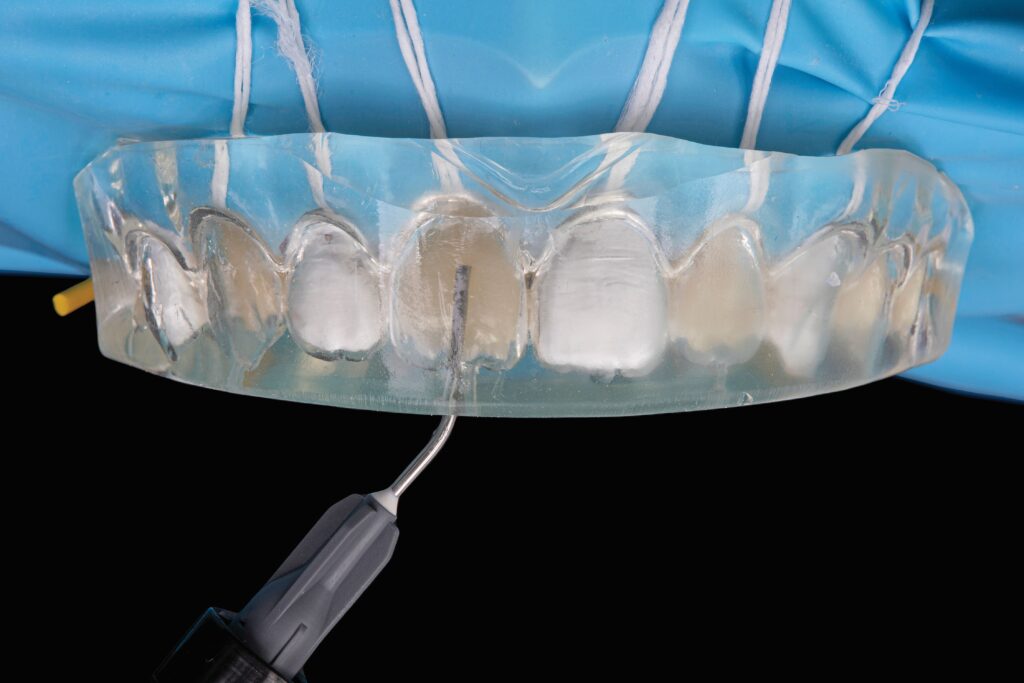
The composite injection moulding technique course, created solely for the award by Dr Tom Bereznicki FCGDent and Dr Chris Leech FCGDent, has been designed specifically for early career dentists and is not available commercially.
Delivered through theory, demonstrations and comprehensive hands-on sessions, the course aims to equip clinicians with the knowledge, confidence, and practical skills required to plan, execute, and maintain predictable composite injection moulding cases for aesthetic and restorative dentistry.
To enter, candidates must submit pre-op photographs of a tooth wear case they are about to start treating and upload a final case report when treatment is complete. The case must involve at least four anterior teeth, and the use of composite to restore teeth, either manually by hand or by the injection moulding technique. Full case eligibility guidance is outlined on the Award web page.
The inaugural award is now open and the deadline to enter the competition with pre-op photographs is Monday 10 August 2026. Entrants have until Monday 19 October to complete the treatment and submit their final case. The successful candidates will be announced in November and the injection moulding course will take place on Saturday 5 December 2026. The number of award entries has been capped at 100, and will be accepted on a first-come, first-served basis.
Announcing the new award, Dr Roshni Karia MCGDent, President of the College of General Dentistry, said:
“I am delighted that the College is further extending its collaboration with the Tom Bereznicki Charitable Educational Foundation through our new tooth wear award. The award provides a valuable opportunity for newly qualified practitioners to develop their knowledge and skills, and progress their careers in dentistry.”
Dr Tom Bereznicki FCGDent, Chair of the Tom Bereznicki Charitable Educational Foundation, added:
“Successfully and efficiently treating common tooth wear cases using the injection moulding technique is a vital skill for early career colleagues to master – it is more predictable, quicker and provides a more aesthetic result than building up manually. So, I am thrilled that our new award will provide high-quality training in injection moulding for up to 20 successful candidates.”
John Maloney, GC Director and Country Manager for the UK, Ireland and South Africa, commented:
“Providing the highest quality training to the dental profession is core to our mission and we are honoured to facilitate the clinical development of early career colleagues through this exciting new award.”
Click the button below for further information about the award, links to guidance for entrants and the entry form.
Eligible candidates for the Tom Bereznicki Award for Tooth Wear Cases may also enter the Tom Bereznicki Award for Advanced Aesthetic Dentistry, which is open until Monday 8 June 2026 and provides each winner with a fully funded place on a digital dentistry course. Separate cases must be entered into each competition.
The Advanced Orthodontics course is a comprehensive, 120-credit, Level 7 programme leading to the award of the CGDent Postgraduate Diploma in Primary Care Orthodontics.
Delivered by IAS Academy, it is designed to give General Dental Practitioners the skills and knowledge needed to treat more complex malocclusions, including extraction cases, taking them up to just below specialist training level. It covers all appliance systems – fixed functional, aligners, lingual and Inman – and includes both the theory and practical aspects of orthodontic care.
In addition to lectures, students will discuss multiple new cases, participate in hands-on practical sessions and receive one-to-one mentoring by specialists for ten treated cases. The syllabus, which is delivered across six 3-4 day training blocks as well as weekly online planning discussions, includes:
Records, assessment, diagnosis and treatment planning
Treatment planning for Class I, Class II div1, Class II div 2 and Class III malocclusions
Radiography – Ceph/OPG/CBCT
Fixed appliances
Lingual appliances
Removable appliances
Functionals
Retention
Aetiology of malocclusion, growth & development
Development of the dentition and tooth movement
Dental material & biomechanics
Multidisciplinary care, including restorative, periodontics & surgery
Critical reading skills
Health education, health & safety, legislation and audit
This training block is specifically for candidates accepted onto the 2026-28 cohort of the diploma course and is limited to 12 places. To ensure enough case-flow and experience, the course is recommended for dentists who have treated at least ten fixed cases, are treating a minimum of ten orthodontic cases per annum, and are familiar with using fixed appliances.
discuss management of peri-implant health and disease
get practical guidance on hygiene instrumentation and recall intervals
take part in case-based discussions and shared learning
Both events take place from 6-8pm at Rock Dental, a specialist referral practice in Wolverhampton, and attendees will be able to bring along their own cases for peer discussion and advice from its multi-disciplinary team in a relaxed and supportive environment.
The evenings will be led by Dr Minas Leventis DipDS, MSc, PhD, who manages complex cases in oral surgery, bone grafting, and implantology. After qualifying as a dentist from the University of Athens in 1999, he completed an MSc in Oral Pathobiology in 2003, a Specialty in Oral Surgery in 2004 and a PhD in Bone Grafting and Growth Factors in 2010. A faculty member at the University of Athens since 2002, he has practised in the UK since 2013 while continuing to lead experimental and clinical research projects internationally. Lecturing worldwide, he delivers postgraduate training in implantology and bone regeneration and has co-authored over 30 papers in PubMed-indexed journals. He is a Fellow and Diplomate of the International Congress of Oral Implantologists, President of the Scientific Board of Blue®m, and a scientific consultant for several biomaterials companies.
The two Study Club evenings, each of which comes with 2 hours’ CPD, are sponsored by Wrights UK. There are ten places available at each evening; these are free for College members, with a small fee applying for all other dental professionals.
To find out more, and to book your place, click the button below:
The College has announced the topic and speakers for its next annual study day in Glasgow.
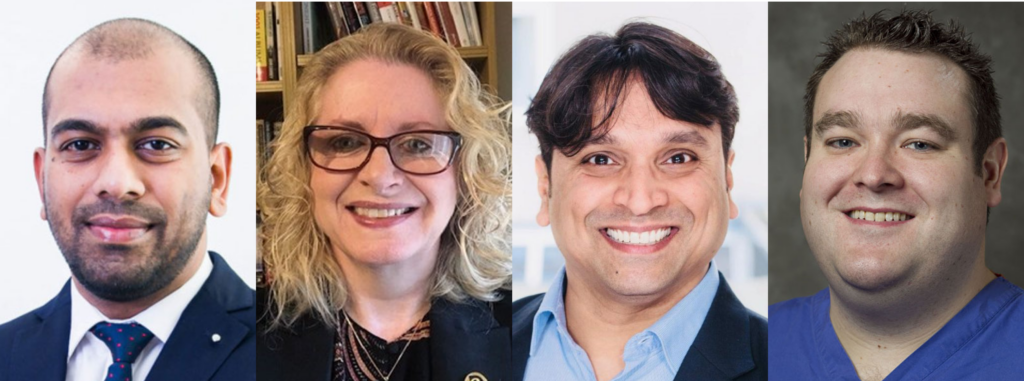
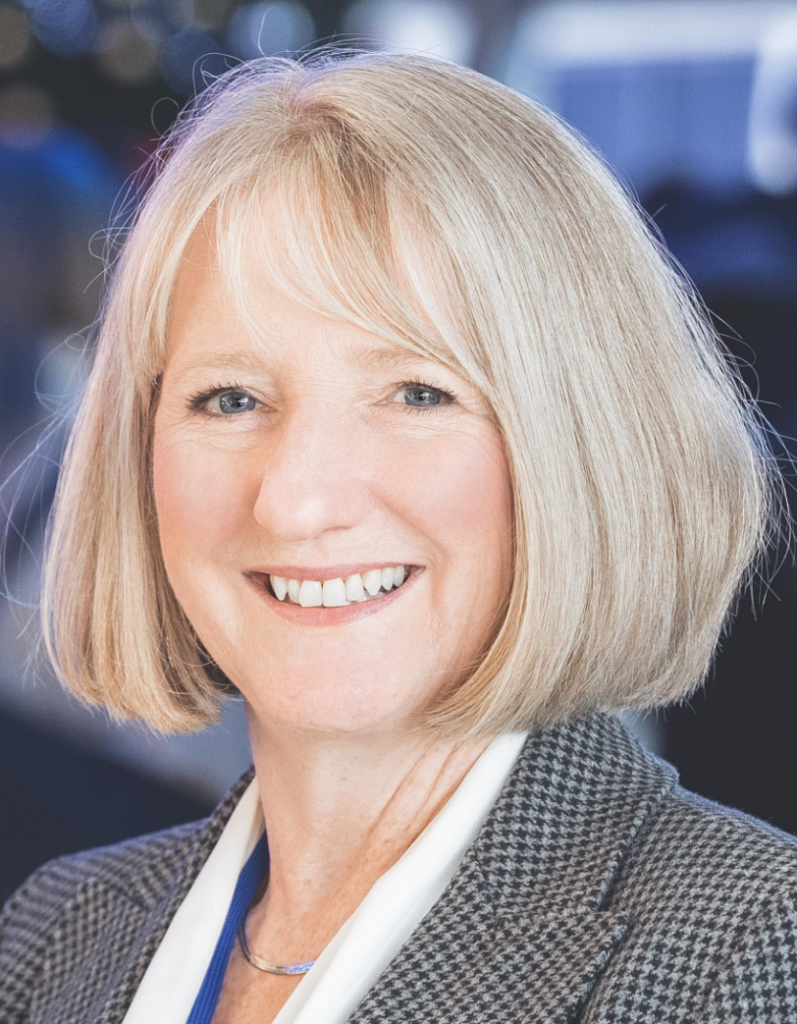
2026 CGDent Scotland Study Day speakers (l-r): Dr Noland Naidoo, Dr Helen Kaney FCGDent, Professor Murali Srinivasan and Professor Gerry McKenna FCGDent
Delivering lectures under the title “Digital dentistry for the dental team: you say you want a revolution” will be four speakers: Dr Noland Naidoo, Dr Helen Kaney FCGDent, Professor Murali Srinivasan and Professor Gerry McKenna FCGDent.
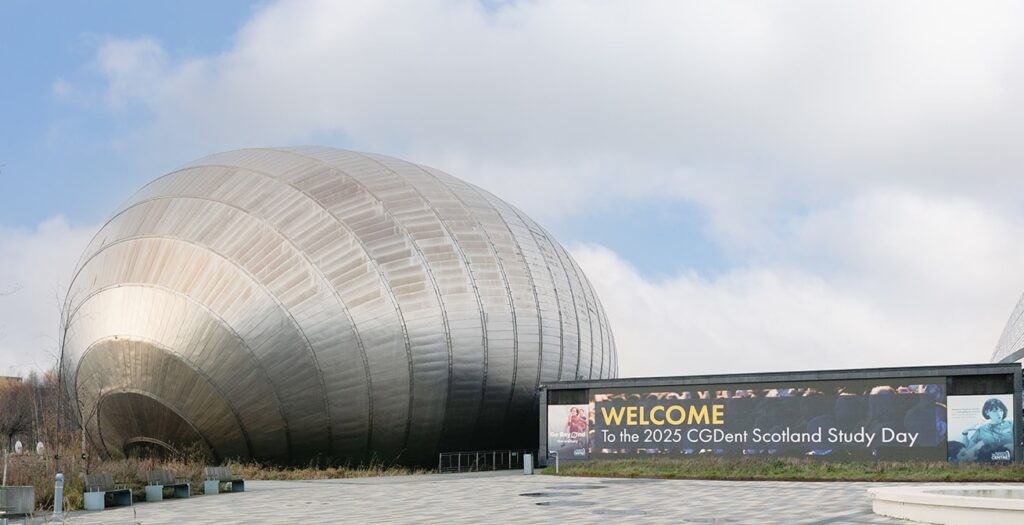
The annual study day, organised by CGDent Scotland, takes place at Glasgow Science Centre on the first Friday in December – 4 December this year. With six hours of CPD, the day is attended by up to 400 dental professionals from across the UK, and finishes with a drinks reception which marks the start of the festive season for its many regular attendees.
Dr Noland Naidoo practises prosthodontics and endodontics in Edinburgh and Kelso, and previously co-led a private prosthodontic practice in Johannesburg. He qualified BChD from the University of the Western Cape in 2005 and was awarded a PDipDent in Implantology in 2007. He later completed an MDent in Prosthodontics, thereby qualifying as a specialist within South Africa, at the University of the Witwatersrand, where he later practised in the Department of Oral Rehabilitation. He relocated to the UK in 2022, joining University College London’s Eastman Dental Institute as a clinical lecturer on postgraduate prosthodontic programmes, and then to Edinburgh in 2024, where in addition to his practice he has taught on postgraduate prosthodontic and endodontic programmes at Edinburgh Dental Institute. He is a Fellow of the International Team for Implantology (ITI), an alumnus of Future Leaders in Prosthodontics (FLiP) and serves on the board of the Shaping the Future of Implant Dentistry (SHIFT) leadership programme. He has contributed to international professional organisations, including the International College of Prosthodontists, and acts as a peer reviewer for leading journals.
Dr Helen Kaney FCGDent is Head of the Dental Division at the Medical and Dental Defence Union of Scotland (MDDUS). She qualified BDS from Glasgow University in 1987 and spent many years in general dental practice as well as working as a clinical assistant in conservative dentistry and prosthodontics at Glasgow Dental Hospital and at Guy’s Hospital in London. She developed an interest in law and ethics early in her career before training and working as a solicitor for a number of years, acting for doctors and dentists in clinical negligence claims, regulatory matters and Fatal Accident Inquiries in Scotland on the instructions of UK indemnity providers. Her first dentolegal role started in 1999, working for a large insurer in Surrey, and she has since accrued significant experience in advising and assisting dentists in the UK and Ireland and in several other jurisdictions, including during 14 years working for Dental Protection, latterly as Head of Dental Services in Scotland. She holds a Bachelor of Laws (LLB) and a Diploma in Legal Practice, and completed an MBA at Strathclyde Business School in 2013. A Fellow of the College of General Dentistry, she was an elected member of its Council from 2019-25.
Professor Murali Srinivasan is a specialist prosthodontist, Director of the Clinic of General, Special Care and Geriatric Dentistry at the University of Zurich and an honorary professor at Chulalongkorn University in Bangkok. He is a past President of the European College of Gerodontology, former Head of the University of Zurich’s Centre for Dental Medicine, and is currently President of both the International Association of Dental Research’s Geriatric Oral Research Group (IADR-GORG) and the Swiss Society of Gerodontology and Special Care Dentistry. He qualified BDS in India in 1996, completed his Master of Dental Surgery in prosthodontics in 2001 and also holds both a Master of Advanced Studies in reconstructive dentistry and a Doctorate in Dental Medicine from the University of Geneva. Formerly practising in Dubai, he moved to Switzerland in 2011 on an ITI scholarship, after which he became a Lecturer, later Senior Lecturer, at the University of Geneva. An active Fellow of the ITI, he has published numerous papers in peer-reviewed journals. His current research encompasses implant dentistry, geriatric dentistry, prevention and the clinical applications of CAD-CAM technology in removable prosthodontics.
Professor Gerry McKenna FCGDent is a Consultant in Prosthodontics and Restorative Dentistry at Queen’s University Belfast, where his clinical work is focused on fixed and removable prosthodontics, including managing older adults in both hospital and private practice. He also leads oral health research within the university’s Centre for Public Health, focussing on optimising treatment options for older adults. After qualifying BDS from Newcastle University in 2004, he worked in a number of dental hospitals, spent time in dental practice, achieved a PhD on the impact of a tailored dietary intervention coupled with oral rehabilitation on the nutritional status of older adults, and completed specialist clinical training at University College Cork. A Vice President of IADR-GORG and past President of both the IADR’s Irish Division of and the European College of Gerodontology, he is an adjunct Professor at University College Cork, King James IV Professor at the Royal College of Surgeons of Edinburgh, and a Fellow of both the College of General Dentistry and RCS Edinburgh. He has recently published the book Clinical Cases in Gerodontology.
The CGDent Scotland Study Day is open to all dental professionals, and can be attended in person or virtually. Fee discounts are available to College members in all team roles.
Breakfast rolls, a two-course lunch, refreshments throughout the day and evening drinks are all included in the attendance fee, and there will be an accompanying trade exhibition to visit.
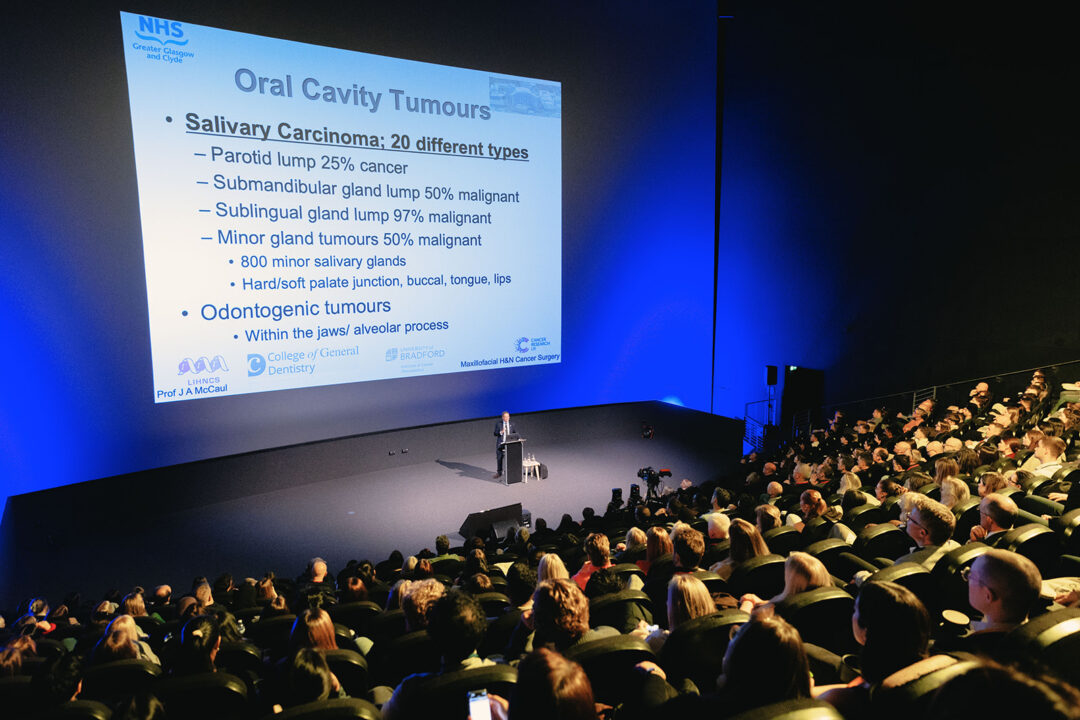
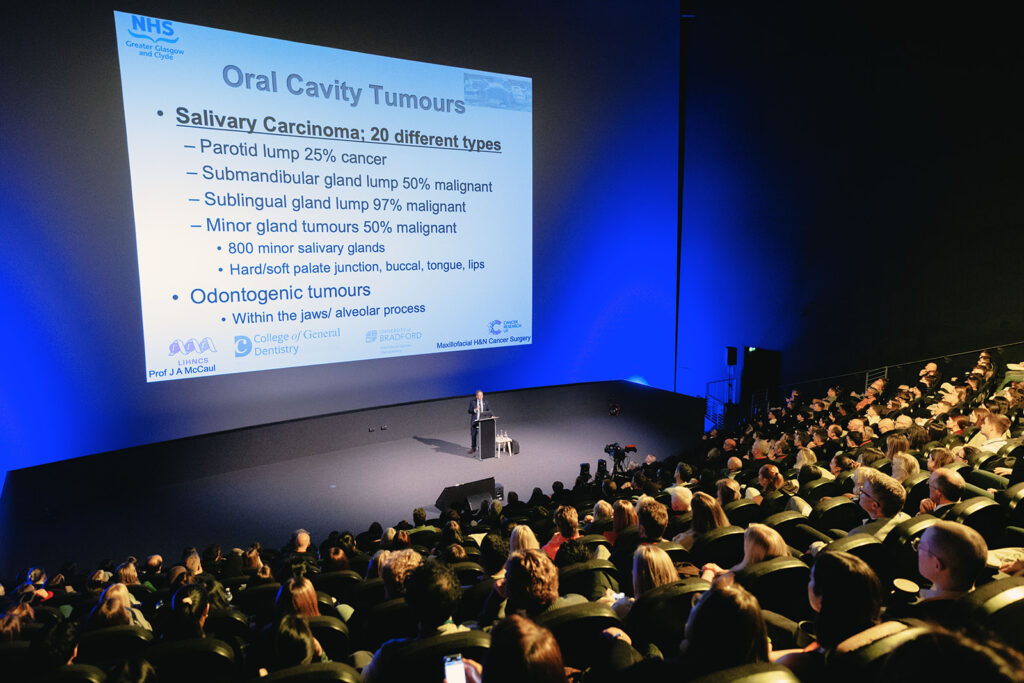
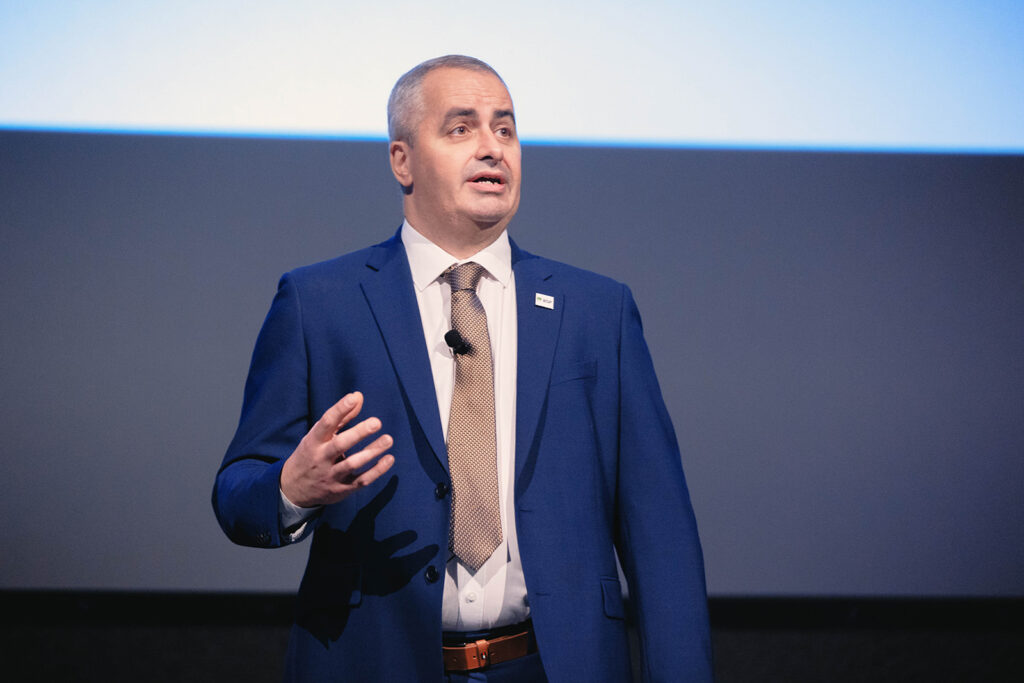
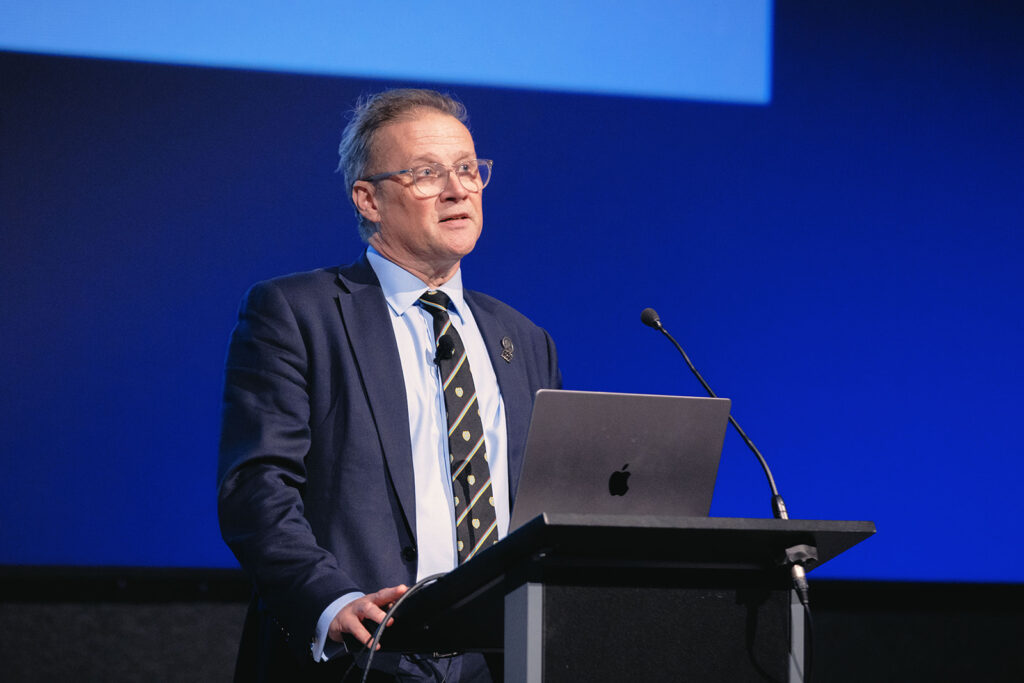
Professor Jim McCaul, lead maxillofacial surgeon at the Queen Elizabeth University Hospital in Glasgow, delivering his lecture, ‘Oral Cancer, what you need to know and what you need to do’, to attendees at last year’s CGDent Scotland Study Day
Other discounts to the full rate are available to Foundation Dentists / Vocational Trainees and their trainers, recent graduates and members of the Glasgow Odontological Society and the Royal Odonto-Chirurgical Society of Scotland.
Patricia Thomson FCGDent, former Council representative for North and West Scotland, reviews the College’s recent annual study day in Glasgow.
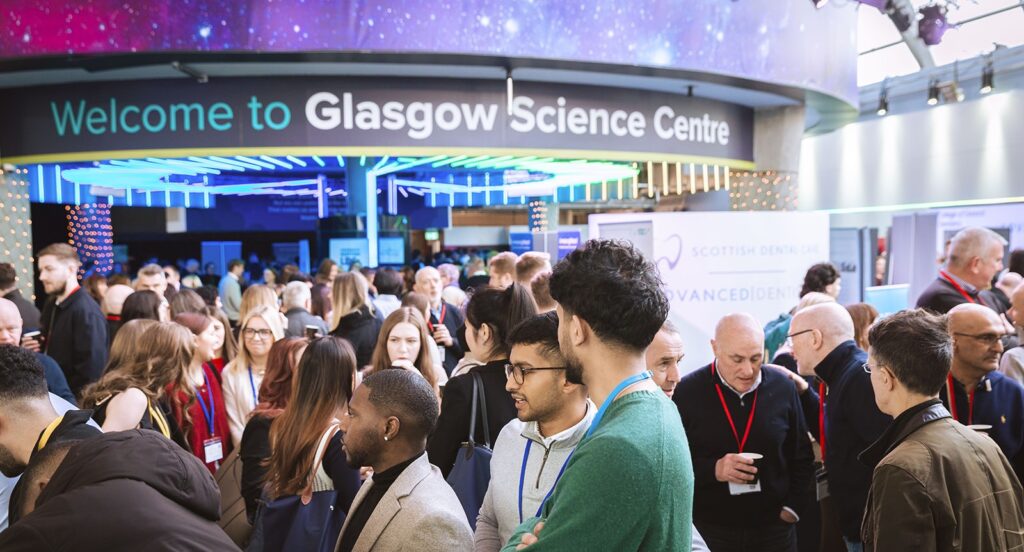
On Friday 5 December 2025, dental professionals from across Scotland and elsewhere met at Glasgow Science Centre for the CGDent Scotland Annual Study Day. This event was established at the founding of the former Faculty of General Dental Practitioners in 1992, and has been held in Glasgow annually since then, this being the fifteenth year that we have been hosted at the Science Centre.
Our main speaker was specialist periodontist Dr Ian Dunn FCGDent, whose series of lectures was titled ‘Passionate Perio for the Dental Team’. The final lecture, the annual Caldwell Memorial Lecture, was delivered by Professor Jim McCaul, lead maxillofacial surgeon at the Queen Elizabeth University Hospital in Glasgow, on ‘Oral Cancer, what you need to know and what you need to do’.
Over 400 delegates joined us for the day, 361 in person and a further cohort online. The numbers comprised dentists of all levels of experience, many of whom are regular attenders, 87 final year BDS students from Glasgow and Dundee Universities, 113 Vocational Dental Practitioners, and gratifyingly, approximately 30 Dental Hygienists/Therapists.
In addition, we were joined by 12 fourth year BDS student volunteers who assisted with registration and scanning of delegates into each lecture. We were very grateful for their assistance, and they reported that they had all enjoyed the day thoroughly and looked forward to being in the audience at the 2026 Study Day.
We were delighted to host Dr Gillian Leslie, who had been recently appointed the new Chief Dental Officer for Scotland; warm congratulations were conveyed to her by our delegates who were enthusiastic at the prospect of a general dental practitioner having been selected for the role.
Also present was Thomas Lamont, Associate Postgraduate Dean for Workforce Development at NHS Education for Scotland (NES). Thomas has been working to create collaboration between NES, the Royal Colleges in Scotland and CGDent Scotland to better support our colleagues in the first five years in practice, and we were gratified that he attended the day to witness and support our community of practice.
Other esteemed guests included Professor Aileen Bell, Dean of Glasgow Dental School, and Billy Cameron, Assistant Postgraduate Dean for Vocational Training, both of whom have been strong proponents of CGDent Scotland.
The day started at 8am when we welcomed the first delegates with hot drinks and breakfast rolls. The early start presents the opportunity for delegates to visit the stands of our sponsors, who collectively allow us to deliver the day on this ambitious scale. As usual, I would like to reiterate our gratitude for their continuing financial contribution, as well as their enthusiasm and good humour, allowing us to deliver a successful and enjoyable day for the entire team. The exhibitors’ hall runs throughout the day, and we incorporate lengthy breaks between lectures to access the various trade stands as well as networking with colleagues and enjoying refreshments and lunch.
Once again, we welcomed Prof John Gibson, Emeritus Professor of Oral Medicine at Aberdeen University and winner of the CGDent President’s Award in 2024. John now devotes his time to running his charity, The Canmore Trust, which is dedicated to suicide prevention and postvention, and he and his wife Isobel remained with us throughout the day, manning their stand and enjoying social interaction with delegates.
In response to feedback, we opted to keep all students in the lecture theatre for the entire programme this year rather than removing them for a separate session in the afternoon. This proved very successful, and we feel that this has been a positive development to engender inclusivity, and introduce them to the community of practice that the College is endeavouring to foster.
It was with some trepidation that the organising committee elected to have most of the day devoted to periodontics. I am a part-time Teaching Fellow at Glasgow Dental School, and when I informed the final year students that the study day was going to consist of three perio lectures, they were not too impressed. However, I assured them that Ian Dunn is a superbly entertaining speaker with a deep passion for his subject, and that their apprehension was ill-founded. It was immensely gratifying to receive their overwhelmingly positive feedback the following week.
Ian used his warm Liverpool humour to guide the delegates through the concepts of disease aetiology and risk factors, and the S3 guidance with particular reference to the integration of the guidance into the SDR (the Scottish NHS payment system). He also discussed instrumentation and the use of antimicrobials, and he particularly emphasised the methods of patient motivation and the power of the oral hygiene phase. Ian had many amusing patient interaction anecdotes such as: “Madam, do you want a longer tooth, or a tooth no longer?”; and “would you wash your dirty car by rinsing it with a bucket of water and expect it to be clean?”. Apologies to Ian if I have not quite captured the essence of the messages. I did notice that many delegates brought out their phones to take note of these interesting motivational analogies to reuse when they returned to practice. I also have to acknowledge his persistence in repeating his patients’ mispronunciation “Cordosyl” throughout the entire day.
The feedback for Ian’s lecture set was absolutely superb, and many commented that they could not believe that he held their attention for such a long period on the subject of periodontology, several expressing a new enthusiasm for the topic.
We then received Professor McCaul’s Caldwell Memorial Lecture, Jim previously worked at Bradford Teaching Hospitals and the Royal Marsden Hospital, and his unit in Glasgow has one of the highest throughput of head and neck cancer and facial trauma cases in the world. He holds a PhD in Molecular Oncology, continues to work on clinical research for head and neck cancer, and is on the editorial board of numerous international medical research journals.
He was delighted to have access to our large group of dental professionals to deliver his message. His opening comment was that we should refer to him anything that raises suspicion of cancer. He assured us that we will not be considered time wasters if the referral results in a diagnosis of lichen planus, recurrent ulceration or any other benign condition, as he is delighted that nineteen times out of twenty he can deliver good news to patients. Rather, he was concerned that when the one out of twenty referrals that is a cancer diagnosis does not reach him at an early stage, the outcome becomes much more bleak.
He proceeded to use a combination of pictures and video to demonstrate the hugely invasive procedures that these cases undergo, but also showing that faces can be put back together again, and that patients can resume their altered lives if the surgery is successful. It was immensely reassuring to note that a person who carries out this level and complexity of surgery can establish a close bond with the patient and cares deeply about the outcome for the individual. Jim went on to discuss the disturbing fact that the incidence of head and neck cancer is rising significantly among the female population, and it is unrelated to the former recognised risk factors. Work is ongoing to establish a cause.
Jim also discussed the use of immunomodulation therapy, but he was wary to offer any certainty at this moment, as it appears to have some promise in a specific number of individuals, but not all.
The room was completely enraptured by Prof McCaul’s presentation, and again we received wonderful feedback; especially noted was the confidence to refer any suspicion of cancer to Jim’s department without fear of time wasting, and I would strongly encourage general dental colleagues across the UK to adopt the same approach.
We consider that we had two outstanding presenters this year, as confirmed by feedback, and we are indebted to them for coming to Glasgow to make the day such a success.
The day ended with our drinks reception, where the delegates mingled with colleagues, the dental trade, other stakeholders, and our speakers. The day concluded at 7pm with a huge sigh of relief from the organising team, including our superb events coordinator, Patricia de Vries.
We will endeavour to replicate the success of this day in December 2026, when the day will be devoted to digital dentistry.
Our speakers then will be: Dr Noland Naidoo, a prosthodontist and endodontist, originally from South Africa, who has worked in the UCL Eastman Dental Institute and Edinburgh Dental Institute, and who has an interest in dental technologies and biomaterials; Professor Murali Srinivasan, a specialist prosthodontist from Zurich University whose current research focus is among, other things, the clinical application of CAD-CAM technology in removable prosthodontics: Professor Gerry McKenna FCGDent, Consultant in Prosthodontics and Restorative Dentistry at Queen’s University Belfast; and Dr Helen Kaney FCGDent, Head of Dental Division at MDDUS .
We hope that our programme next year will attract a number of Dental Technicians and Clinical Dental Technicians, as well as the entire dental team, and that College members and others from across the UK will consider joining us as the organising committee endeavours to make the day as worthwhile, relevant and enjoyable as ever.
Further information and tickets are available via the button below.
Friday 1 – Saturday 2 October 2027, 9.00am – 5.00pm, London
ExCeL London, Royal Victoria Dock, 1 Western Gateway, London E16 1XL
The College will once again be an education partner for Dentistry Show London 2027.
We will welcome members and non-members alike to our CPD lectures, with experts in their fields sharing their knowledge on a range of subjects and giving advice to support the professional development of the whole dental team.
Our lecture programme will be added here in due course.
Delegates will have access to over 100 CPD lectures in all across multiple lecture theatres, as well as over 180 exhibiting suppliers, and the opportunity to network among 4,000 dentists, dental therapists, dental hygienists, dental nurses, practice managers, dental technicians and laboratory owners.
College representatives will be available throughout the show at the CGDent exhibition stand to talk to delegates about our vision for the profession, the benefits of membership and fellowship, and to answer your questions.
Registration for DSL27 will be free for all dental professionals.
A registration link will be added below once registration is open.
Fellows and Associate Fellows of the College are reminded that they are eligible to enrol on a ‘top-up’ Master’s degree which can be completed during a single year of part-time distance learning. The next cohort starts in September 2026 and successful completion satisfies the Research & Publications domain of Fellowship.
Holders of ‘FCGDent’ and ‘AssocFCGDent’ status can enter via advanced standing into Stage 3 of the MSc in General Dental Practice offered by Aston University, with their attainment recognised as equivalent to 90 credits of relevant prior learning at level 7.
The arrangement applies regardless of dental team role or location, so long as the applicant meets the university’s standard postgraduate admissions criteria.
The course consists of a 30-credit taught module in advanced research methods followed by a 60-credit individual research project pertaining to clinical dental practice.
The programme develops competence in research skills including:
development of hypotheses
research design and execution
data analysis and interpretation
critical evaluation of literature
understanding of ethical issues
reporting of an empirically-based project
On completion of the taught component, students will be able to select and implement appropriate quantitative and qualitative techniques for different research questions and designs, and will know how to manage their time and resources when undertaking research independently. They will then develop a suitable research question for their topic of choice within the field of general dental practice and plan a programme of research.
Led by Dr Stuart Ellis FCGDent, a former FGDP(UK) examiner and Clinical Director of a five-surgery general dental practice, the programme is delivered by the Cambridge Academy of Implant Dentistry. Learning methods include online lectures, seminars, tutorials, small group activity, independent study, assignments and reflections on assignment feedback. Assessment will be through a combination of continuous assessment, logbook, research proposal, presentations and a dissertation.
In meeting the requirements of the Research & Publications domain of College Fellowship, successful completion of the MSc in General Dental Practice would enable most Associate Fellows to take a step closer to full Fellowship, which requires the fulfilment of three of the five Fellowship domains.
For further information, and to register your interest, email [email protected], call 0121 204 3200 (Monday-Friday 9.30am-4.30pm), or click the button below.
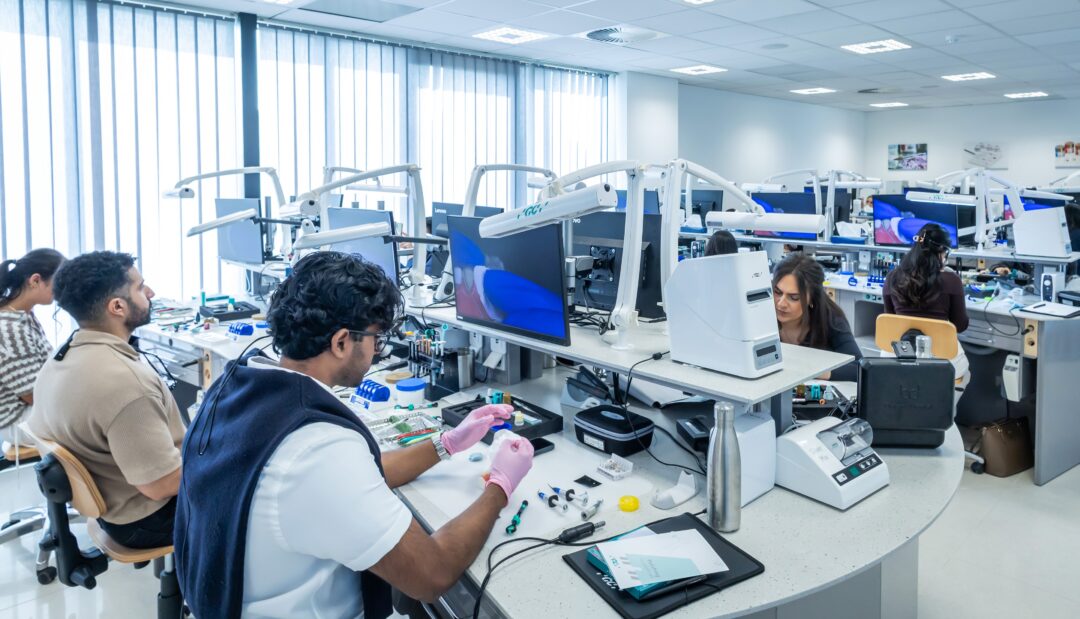
The GC composite layering course provides in-depth guidance on the complete process of restoring teeth using contemporary composite layering techniques and materials. Through hands-on sessions, supported by lectures, demos and one-to-one training, participants will gain an enhanced understanding of the science and protocols which will enable them to practice restorative dentistry with increased confidence, for the benefit of patients.
The course itinerary is tailored to meet the experience and skills of participants, and covered:
Colour perception for recreating natural looking anterior direct restorations
Using a detailed layering technique with only inside and outside shades in a Class IV
Dealing with the challenging situation of masking a strong discoloration with a direct veneer
Finishing and polishing protocols
Injection Moulding Technique (IMT) – principles, indications and clinical guideline
Treating posterior and anterior tooth wear with IMT
Extending the limits of a direct Cl II restoration with a fibre reinforced and a high-filled injectable composite
Course leader
Dr Simone Moretto
Dr Moretto graduated in Dentistry from State University of Campinas in Brazil, going on to become a Specialist, Master and PhD in Restorative Dentistry at the Sao Paulo University, Brazil. as a research at BIOMAT, the Biomaterials Research group of the Department of Oral Health Sciences, KU Leuven (University of Leuven), Belgium, she developed a sound scientific background with papers published in peer reviewed journals and presentations at several International Congresses. Following her time at the University of Leuven, she taught as an Associate Professor in Brazil and then lectured in modern dentistry internationally. Since 2014, she has worked GC Europe as a Training Manager.
A fully funded place on the composite layering course is offered to successful candidates in the CGDent and GC Award for Foundation Trainees, which is open to Dentists and Dental Therapists who qualified in the UK or Ireland in 2026 and are practising in the UK or Ireland, or who are undertaking Dental Foundation Training or Dental Vocational Training. The prize for successful candidates also includes hotel accommodation, international travel and subsistence.
To enter, eligible Dentists and Dental Therapists have to submit a restorative case they plan to treat, which involves composite restoration on at least one anterior tooth.
The 2027 award was open to entries until Monday 22 February 2027.
We use cookies on our website to give you the most relevant experience by remembering your preferences and repeat visits. By clicking “Accept”, you consent to the use of ALL the cookies.
This website uses cookies to improve your experience while you navigate through the website. Out of these, the cookies that are categorized as necessary are stored on your browser as they are essential for the working of basic functionalities of the website. We also use third-party cookies that help us analyze and understand how you use this website. These cookies will be stored in your browser only with your consent. You also have the option to opt-out of these cookies. But opting out of some of these cookies may affect your browsing experience.
Necessary cookies are absolutely essential for the website to function properly. These cookies ensure basic functionalities and security features of the website, anonymously.
Cookie
Duration
Description
cookielawinfo-checbox-analytics
11 months
This cookie is set by GDPR Cookie Consent plugin. The cookie is used to store the user consent for the cookies in the category "Analytics".
cookielawinfo-checbox-functional
11 months
The cookie is set by GDPR cookie consent to record the user consent for the cookies in the category "Functional".
cookielawinfo-checbox-others
11 months
This cookie is set by GDPR Cookie Consent plugin. The cookie is used to store the user consent for the cookies in the category "Other.
cookielawinfo-checkbox-advertisement
1 year
The cookie is set by GDPR cookie consent to record the user consent for the cookies in the category "Advertisement".
cookielawinfo-checkbox-necessary
11 months
This cookie is set by GDPR Cookie Consent plugin. The cookies is used to store the user consent for the cookies in the category "Necessary".
cookielawinfo-checkbox-performance
11 months
This cookie is set by GDPR Cookie Consent plugin. The cookie is used to store the user consent for the cookies in the category "Performance".
PHPSESSID
session
This cookie is native to PHP applications. The cookie is used to store and identify a users' unique session ID for the purpose of managing user session on the website. The cookie is a session cookies and is deleted when all the browser windows are closed.
viewed_cookie_policy
11 months
The cookie is set by the GDPR Cookie Consent plugin and is used to store whether or not user has consented to the use of cookies. It does not store any personal data.
wordpress_test_cookie
session
This cookie is used to check if the cookies are enabled on the users' browser.
Functional cookies help to perform certain functionalities like sharing the content of the website on social media platforms, collect feedbacks, and other third-party features.
Performance cookies are used to understand and analyze the key performance indexes of the website which helps in delivering a better user experience for the visitors.
Analytical cookies are used to understand how visitors interact with the website. These cookies help provide information on metrics the number of visitors, bounce rate, traffic source, etc.
Advertisement cookies are used to provide visitors with relevant ads and marketing campaigns. These cookies track visitors across websites and collect information to provide customized ads.