Career Pathway for dentists to provide a flexible structure for 21st century practice

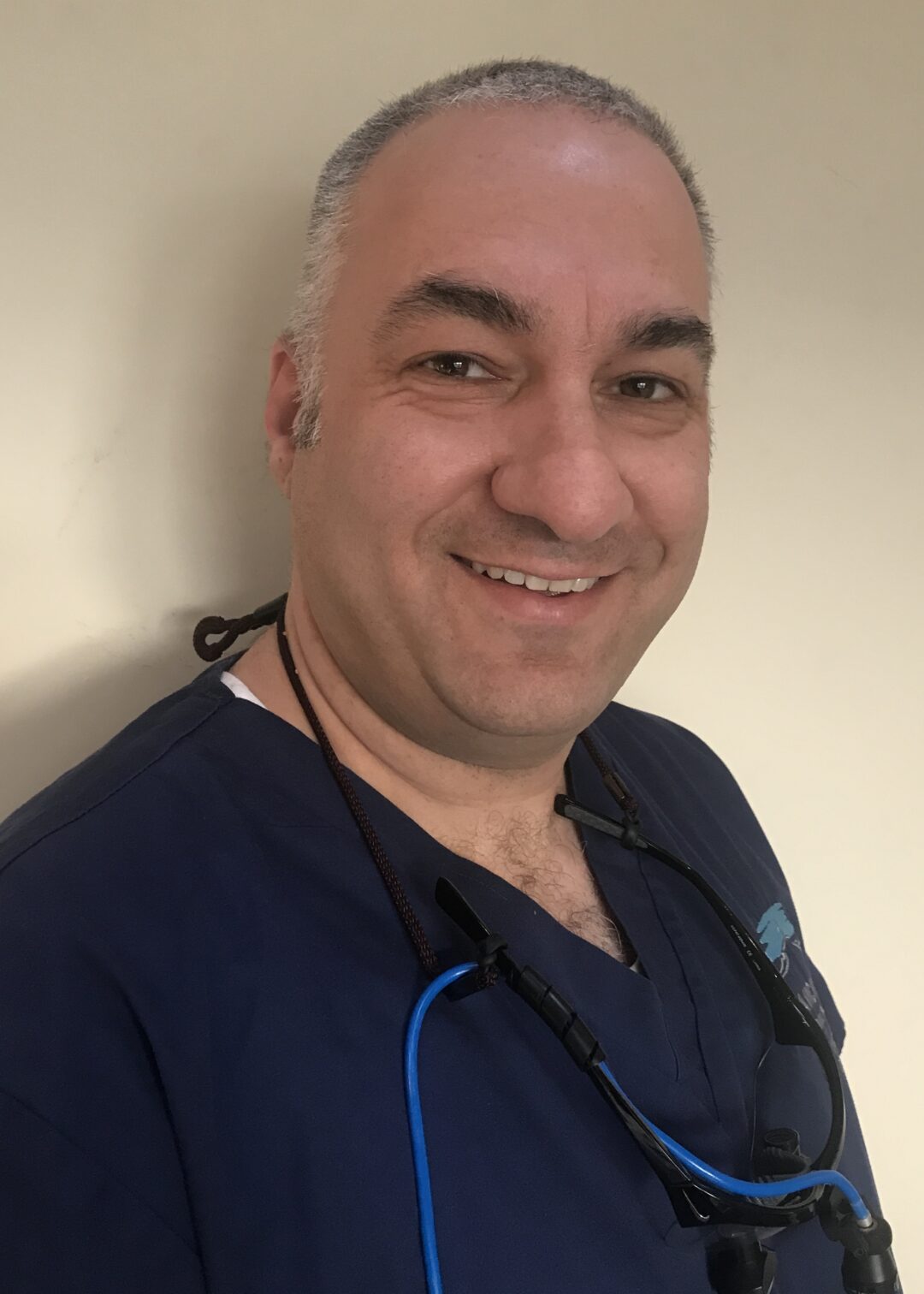
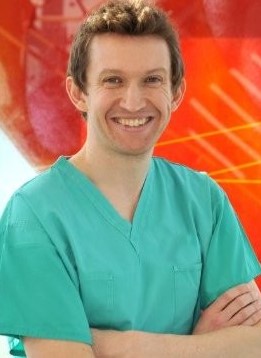
Phil Dawson, general dental practitioner with a special interest in restorative dentistry, explains how the College’s Career Pathway for dentists is being developed to provide a clearly defined structure whilst offering the flexibility needed by the contemporary practitioner.

I graduated from the University of Liverpool in December 1991 before commencing my first role as an associate dentist in sunny Wigan the following month. If someone had asked me back then what my career goals were, I think I probably would have answered “to be a dentist”!  Now the best part of 30 years later, I sit writing this blog having achieved, I feel, this mighty goal!

During this time, I am or have variously been:

  • Associate dentist
  • Principal/partner of multi-group mixed NHS/private practice
  • Educational Supervisor/VT trainer (as was)
  • Specialty Dentist/Honorary Teaching Fellow at Manchester University
  • HEE appointed mentor
  • ORE Examiner
  • Course Lead/Director/Tutor/Examiner for FGDP Diploma in Restorative Dentistry
  • Clinical Support Manager for {my}dentist
  • Associate Dental Dean for Conduct & Performance at HEE NW

Despite the above list, if asked by anyone I still describe my job as a “dentist”!

The various stages in my career have developed not as part of some grand master plan, but rather by independent, often disjointed steps. I suspect I will not be alone in this mode of career progression. My career history goes to prove that dental careers often ‘happen’ and develop over the course of our practising lifetime, possibly in unplanned ways and taking directions which initially seem quite unlikely.

My association with FGDP and CGDent began when I completed the second cohort of the Restorative Diploma in 2008. This was to turn out to be a pivotal moment in my career development as most of the roles in the list above were as a direct consequence of this qualification, including becoming Course Lead/Director for the Diploma in a classic poacher turned gamekeeper move! My eternal gratitude goes to Professor Paul Brunton and Mr Ian Wood for such inspiration.

This close association culminated in being asked by CGDent to be Chair of the Working Group for Career Pathways for Dentists. I was tasked with recruiting a group of individuals that was representative of dentists today – no easy task I admit, but I have been blessed with meeting some highly motivated and intelligent fellow dentists throughout my career so far.

The idea was to develop a pathway that identified the different stages of career progression, the key features of these different stages and how these stages might be evidenced. Right from the outset it was emphasised that the old-fashioned notion of ‘tick-box’ career progression was NOT what we were after! Yes, we wanted a framework for career progression, but it was imperative that this framework contained a great degree of flexibility so as to allow the modern 21st century dentist to adequately showcase their career development whilst also allowing the profession and the public to be confident that such a framework represented a safe and coherent structure to career progression.

Another exciting feature was that this process was to be introduced throughout the WHOLE of the dental team – different working groups were to be similarly set up looking at career progression for hygienist/therapists; dental nurses and orthodontic therapists; clinical dental technicians and dental technicians. I felt this was such an important feature of the process – aligning the career pathways of the WHOLE of the dental team as befits the College of General Dentistry.

My aim was to recruit a team of individuals who, using their own experiences and visions, would be able to develop ideas of career progression along the lines set out above. It was humbling that everyone I approached did agree to join the Working Group – and so it is made up of quite an eclectic group of individuals.

The College’s aim in developing these Career Pathways, is to provide some structure to aid our career progression without this being too prescriptive. As you will appreciate from reading this blog, my own career has followed quite a unique pathway, and the Working Group has been keen to allow for this variability in career development.

As I write this, the final version is still in development but the end-product is looking very exciting. I wish such a structure had been in place all those years ago on that first journey from Liverpool to Wigan….!!

You may also be interested in reading blogs from other practitioners involved in developing the Career Pathways programme.

College Council takes office, with new appointments

The Council of the College of General Dentistry convened for the first time on Friday, 23 July 2021, welcoming new members to expand representation across the dental team.

The Council is elected by the membership, and continues its work from the Board of the Faculty of General Dental Practice (UK), which is in the process of transferring to the College. Chaired by the President of the College, Abhi Pal FCGDent, the Council is the senior professional forum of the College and guides College Trustees on its development to serve patients and the dental professions across general dentistry. Dr Pal is supported by the recently-elected Vice Presidents, Roshni Karia MCGDent and Tashfeen Kholasi MCGDent.

Members of Council attending the first meeting in person; a number attended by videoconference in light of COVID-19 related circumstances
Continue reading “College Council takes office, with new appointments”

Facial Aesthetics: Clinical Cases and Applied Anatomy

CGDent Recorded webinar, Thursday 22 July 2021

Dr Jalpesh Patel uses clinical case studies to demonstrate the importance of the assessment phase, applied facial anatomy, treatment planning and subsequent treatment of multiple regions of the face with cosmetic injectables. It gives learners who have little or no experience in this field an appreciation of the clinical aspects of the patient journey and what can be achieved.

Continue reading “Facial Aesthetics: Clinical Cases and Applied Anatomy”

College of General Dentistry makes commitment to building careers for all dental professionals

The College of General Dentistry, in partnership with Colgate Palmolive UK,
announces an important programme to build career pathways for all those working in
a professional capacity in primary care and general dentistry, which will be rolled out
in the coming months following the opening of the College to membership on 1 July
2021.

The Career Pathways initiative brings together all roles in the dental team to create life-long career structures: to enhance professional standing, and to engage the confidence of patients in the skills and care they receive.

At a time when there has never been a greater need to retain and nurture a motivated workforce in dentistry, this programme aims to provide purpose and direction for careers across the whole team. It is an initiative developed for the dental professions, by the dental professions, but has attracted much wider attention at a time of special concern about oral healthcare across the UK and access to services.

The College will be structuring its membership to reflect important career stages for each and every member of the dental team. Membership is open to all registered dental professionals, and Faculties of the College will support each team member with their own career development and aspirations.

The Career Pathways programme is led by Janet Clarke MBE FCGDent, Chair of Trustees, and Abhi Pal FCGDent, its new President, together with Roshni Karia MCGDent, Vice President, and Simon Thornton-Wood PhD, Lead Executive for the College.

An authoritative group of dental professionals have been brought together for the programme, in working groups led by Debbie Reed (Dental Nursing and Orthodontic Therapy), Emma Pacey (Dental Hygiene & Dental Therapy), Michael Brindle & Darren Ware (Dental Technology & Clinical Dental Technology), and Philip Dawson (Dental Practitioners).

More details of the programme can be found on the College’s website.

Janet Clarke said:

The College of General Dentistry is now open, welcoming all members of the dental team. Our driving passion is to enhance the careers of dental professionals in the patient interest: there is an acute need for direction and support in primary care and general dentistry careers today. Together with Colgate, we are excited to be bringing forward new and accessible ways to develop skills and enhance the team, over the coming months.

Dr Emanuele Cotroneo, Scientific Affairs Project Manager for Colgate in Northern
Europe, said:

Colgate is most proud of this exclusive partnership with the newly launched College of General Dentistry, which enables the development of the College Career Pathways. This important partnership further supports Colgate’s continuing mission in becoming a valuable partner in dental education and professional development. The Career Pathways will provide a structured guide for dental professionals to pursue their clinical interests as well as enhancing their skills.

Dr Heather Mitchell, Dentist and HEE Clinical Fellow engaged in the programme,
said:

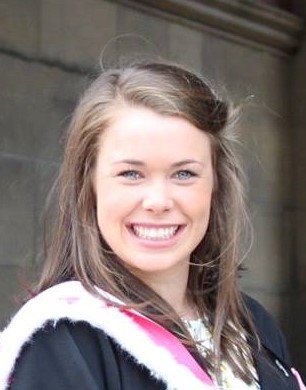
The College’s commitment to prioritise a patient-centred approach to oral health care, as well as provide a much-needed structure for skills and career development, will serve to improve professionalism in dentistry. In turn, this will hopefully strengthen patient trust in their oral healthcare, benefitting the oral health of the nation. From my involvement in the programme, I can really appreciate what a great opportunity this has been to work on such an innovative project so early on in my career, I feel proud of what we have managed to achieve and am looking forward to sharing it more widely.

Andrea Johnson, Dental Technician and a member of the Career Pathways
Programme Reference Group, said:

I am very excited t o work with the College and with like-minded professionals from across dentistry to help define the dental college of the future that we all want and most definitely need. I urge all members of the team in oral healthcare, in the strongest possible way, to join the College and be proud to be part of something amazing.

A new future opens for dentistry – historic CGDent launch

Today, 1st July, marks a momentous day in the history of dentistry in the UK as the College of General Dentistry officially opened in a ceremony at the Barber Surgeons Hall. Dentistry now has its own, independent College. The new College of General Dentistry embraces the whole dental team, recognising the invaluable contribution made by every member of the dental profession in delivering high quality oral health care for patients and the wider community.

(L to R:) Ian Mills, Immediate Past Dean, FGDP(UK); Janet Clarke MBE, Chair of Trustees of the College; Abhi Pal, President; Prof Nairn Wilson CBE, Honorary Founding President; Simon Thornton-Wood, Lead Executive.
Continue reading “A new future opens for dentistry – historic CGDent launch”

Mental Health Wellness Framework

Recorded webinar. Monday 5 July 2021.

The panel discuss the new Mental Health Wellness in Dentistry initiative, and how to act in a timely, appropriate, and safe manner when identifying mental health wellness issues in the dental workplace. The webinar also highlights the findings of a paper on mental health that will be published in an upcoming issue of the College of General Dentistry’s Primary Dental Journal.

This is the first event under the new partnership announced between the College of General Dentistry (CGDent) and ProDental CPD, and is being held in collaboration with the Dental Professional Alliance.

Continue reading “Mental Health Wellness Framework”

Robert Dyas, Oral Surgeon and Director of ProDentalCPD

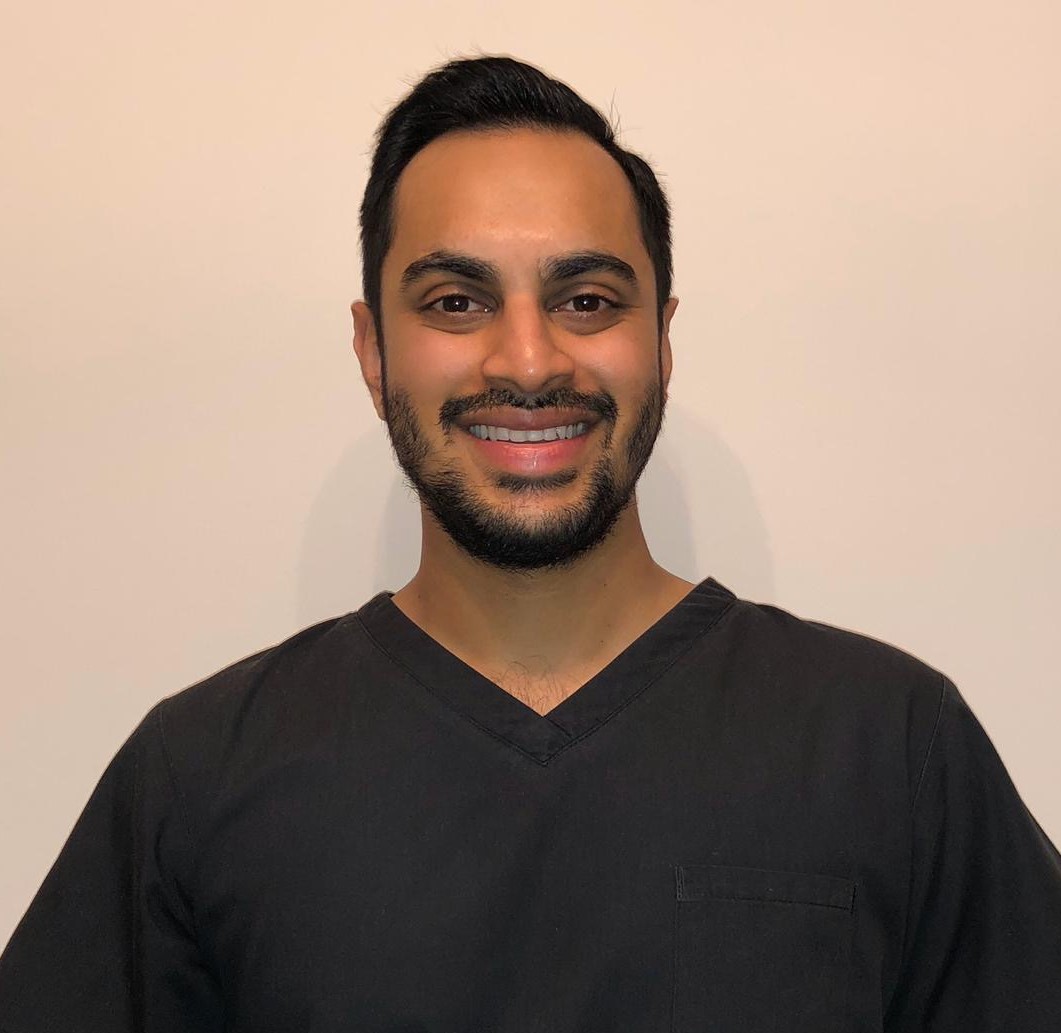
Dr Robert Dyas, Oral Surgeon and Director of ProDentalCPD, explains how he developed his highly successful online dental CPD platform, and how CGDent members will benefit from free access to an extensive package of quality-assured CPD and ePDP.

There have been several elements to my career so far. I am a specialist oral surgeon and have been a mentor in oral surgery, implantology and sedation for many years. I am also an ITI Fellow, FFGDP and FDS RCS.

Currently I am in part time Specialist Private Practice limited to oral surgery and implants, providing a full range of grafting both soft tissue and bone, including zygomatic implants and full arch reconstructions.

Prior to this clinical role I worked in NHS practice and hospital / university settings in oral and maxillofacial surgery. I was for many years a lecturer in Oral Surgery, organising university undergraduate and postgraduate courses. I was also awarded a prestigious Wellcome Trust Research Training Fellowship.

I worked part time for COPDEND (the UK Committee of Postgraduate Dental Deans and Directors) for five years, developing dental postgraduate courses. During this time I realised the limitations of face-to-face CPD provision. Difficulties in access, sourcing speakers, travel, costs, and time. This sentiment was encouraged by my wife and business partner Julia who has a background in training and development and was able to introduce me to world experts in distance learning back in 2005. This group of people worked with us for many years and led to the development of our bespoke learning management platform and eLearning authoring tool. We are very proud that our bespoke learning design has successfully won innovation awards for the last four years, including best e-learning platform in healthcare.

The key driver behind what we have been doing has always been to create the best, most innovative learning experiences we can for our users. To do this we have invested well over £500k to develop the platform we currently have. In 2020, we were commissioned by HEE colleagues locally to create a COVID training package for dental teams working in the UK. Well over 50,000 dental professionals completed this free course.

We currently have over 350 CPD courses on our website and this is being added to every week with, on average, an extra two courses.  We also have users in 69 countries around the world and create content in collaboration with colleagues internationally. Recently we have worked with Bridge2Aid, Smileawi and the Maldent Project and are currently looking at models for disseminating learning to remote and rural areas.

In the last year we have collaborated with friends and colleagues at CGDent and FGDP to create and host 20 webinars in many areas of dentistry with some fantastic feedback and responses, and over 30,000 viewers.

What the CGDent members CPD package includes 

CGDent members will have free access to all ProDentalCPD recorded content. Currently there are over 350 online courses available, which vary in length from 30 minutes to 48 hours. All courses are timed as per GDC requirements, so the certificate reflects the actual time taken. This equates to over 900 hours of CPD, increasing by four hours every week. The courses cover all areas of dentistry, for all members of the dental team, are independent and peer reviewed. 

A minimum of two webinars per month will be created with and for the College. In addition, there is an existing program which will be made available to CGDent members at no extra cost. These webinars will be themed around CGDent and FGDP Standards and Guidance, as well as topics featured in the Primary Dental Journal.  CGDent members will also get free access to other live and recorded content, on average another eight webinars per month.

How the package will support the full dental team

Our mantra has always been to enable and elevate people so they can make the very best out of their career. CPD and learning should be inclusive, stimulating, and rewarding for all members of the team

CGDent members will have access to a branded and refined version of the existing ProDental ePDP platform.  I have been involved in the concept and creation of PDPs long before they became mandatory, personally lecturing widely and contributing to their conception over 10 years ago, maintaining an active interest in their continual improvement ever since. Development will be continuous, to ensure that the ePDP provides an increasingly capable platform, aligned to CGDent’s Career Pathways programme and supporting the prioritisation of professional development goals, for each member of the dental team.

I have always been passionate about both personal development and also learning through helping others. Dentistry can be a tough job to get into but can have many rewards. Learning and education have been the backbone of my career which I have enjoyed immensely. I believe real CPD should be quality assured and help all colleagues reach their potential and get the very best out of their careers. I have been very fortunate to meet people in my career who have acted as mentors and helped to develop areas of my career. This has helped me attain things I never believed were possible in my life. I believe that CGDent offers new opportunities for the whole dental team to develop their careers, form relationships and get the support they need in their career journey. I feel honoured to be able to help this fantastic organisation.

Find out more about the benefits of joining the College of General Dentistry and how to register.

Special care community dentist, Heather Mitchell

Special care community dentist, Dr Heather Mitchell, is part of the Career Pathways Programme Board leading the development of the College’s Career Pathways, designed for each profession within the dental team. Here she describes the in-depth work that has been carried out to ensure the College’s professional framework and membership structure effectively support the career development of every member of the dental team.

I started my role as an Education Fellow with the College of General Dentistry in September 2020. My average week is two days working as a special care community dentist in Birmingham and three days working on the Career Pathways project. My work with the College has been from home this year and the hours are flexible with some evening meetings to allow us to meet with professionals who are working clinically during the day.

During the first meeting with Janet Clarke and Abhi Pal back in September 2020, they explained the College’s vision for the career pathways, how we would be setting out a professional framework for all seven of the dental professions covering five domains and within each of those there would be five different membership levels. After the meeting I felt excited about having the opportunity to be involved however also slightly daunted about the amount of work required to get there especially as these career pathways have never been defined before. When I joined the College the working groups for each profession had been established, they had been carefully selected to represent professionals from across the UK and who were at different stages in their careers.

There is very much a team effort approach with this project to ensure the framework is not reflective of just one person’s voice. I work alongside Kirsty McCulloch who is an education and quality assurance specialist with experience working within dentistry, Steve Stark an expert facilitator and whose company, Then Somehow, works with companies to increase their productivity, and finally Tara Williams (formerly Gus) who is helping with the organisational side and managing the huge spreadsheet of the framework. We have been working completely online so far, which means we have not been restricted by location when organising meetings. Also, for the members of the working groups we have been able to organise meetings far more easily than if we had to do it face to face, resulting in involvement of professionals from across the UK

Our initial working groups meetings were about introducing the concept and ideas of the Career Pathways framework, the College is unique because it is open to all dental professionals, this puts emphasis on the importance of a team-based approach to patient care and lifelong learning. To get the conversation started we asked the members of each working group to think about a colleague who they felt fitted into one of the different career stages. They were asked to describe their professional attributes by thinking about what they said and how they worked for example. From this activity a lot of general themes appeared across all the professions such as reflection, communication, awareness of their own competence and being patient focused. I took these themes and created a first draft of the framework using the language from each working group. The aim of the framework is to be inclusive and accessible for everyone therefore the use of language had to be carefully considered.

We then took the framework back to the working groups to highlight in traffic light colours which parts they were happy with and where there could be improvement. This allowed us to further shape the framework and populate all 5 levels of the framework for each profession. It is essential there is flexibility in the framework, to allow professionals to use it who have more than one job role or who have moved away from clinical work.

By this stage the framework across the professions were becoming more similar and actually for some domains, for example ethical practice and self-reflection, they were the same across each profession. This helps to support the collective voice of the profession which the College is aiming to create.

We are now at the stage where we have a prototype of the framework which we have taken to the Reference Group and a sponsor group for further feedback. During this process we have always thought about how professionals will evidence this framework, and we are now at the stage where we are starting to discuss this with the working groups. It should be evidence that is accessible for the whole team and not limited to postgraduate qualifications. The idea of the framework is that a professional can use it as a tool to plan how to move up the levels if desired or maintain where they are. It is not expected that every professional will be aiming to be an accomplished practitioner.

The College’s commitment to prioritise a patient-centred approach to oral health care, as well as provide a much-needed structure for skills and career development within the profession, will serve to improve professionalism in dentistry. In turn, this will hopefully strengthen patient trust in their oral healthcare, benefitting the oral health of the nation. Now that I have been in the role for ten months, I can really appreciate what a great opportunity this has been to work on such an innovative project so early on in my career, I feel proud of what we have managed to achieve and am looking forward to sharing it more widely.

You may also be interested in reading blogs from Career Pathway Reference Group members, Professor Avijit Banerjee, Chair in Cariology & Operative Dentistry at Guy’s and Andrea Johnson, orthodontic & maxillofacial laboratory manager.

Career Pathways will support all dental professionals

A member of the College’s Career Pathway Reference Group and Advisory Strategy Group, orthodontic & maxillofacial laboratory manager, Andrea Johnson, explains how the College of General Dentistry will benefit and support every member of the dental team.

Who am I? That is a good question, I am currently a highly specialised orthodontic technician, orthodontic & OMFS laboratory manager, deputy clinical governance lead, quality improvement coach, chair/founder of registered charity Den-Tech, editorial board member of the Dental Technician magazine, advisory & reference group member of CGDent and a part time masters student. I have previously served as a STEM ambassador, Chair of the OTA, a DTA council member, have taught dental technology in various education establishments, I lecture both nationally and internationally at conferences and events and generally get involved in trying to further and support my profession wherever and whenever I can.

Is this who I have always been? No. I actually retrained into dental technology in my early 30’s. I must admit that it was a little scary in some respects going back to being a student and knowing I would be one of the eldest in the cohort. However, I needn’t have feared because I was welcomed with open arms and treated as just one of the group. Having said that, I did end up mothering them all to some degree!

My career in dental technology has been relatively straight forward. I started out in a small private denture laboratory and then after a couple of years moved into the hospital service, training further in orthodontic technology, and have not looked back since. I didn’t realise at the time just how much I would enjoy the challenges I would face in the field of orthodontics, especially the more complex patient cases we see in the hospital service.

When I started at my first hospital-based post, my then manager insisted that I become a member of the Orthodontic Technicians Association (OTA) and attend their annual conference. He realised the value of contact with fellow technicians from other labs and the networking opportunities these events provide. Little did I know at that time where that would lead, but I am very grateful for the nudge, because after only two years as a member I was approached by the then chair of the OTA and was asked to present at their conference and subsequently to sit on the council. Ultimately, I spent over 8 years on the council serving in a variety of roles including the OTA’s first female chairperson.

My time with the OTA gave me the opportunity to engage with professionals and regulators from across dentistry in a variety of settings, but the common theme I always noticed was the inequalities in the opportunities and engagement offered to our various groups within dentistry and the outdated hierarchy clearly still very present.

Throughout my working life, I have found that the only truly positive and productive way forward is through a strong team-working ethic, resulting in effective output and higher levels of job satisfaction for all team members.

These are the reasons that I was very excited and honoured to be approached to work with the newly-forming College of General Dentistry, to be given the opportunity to work with like-minded, professionals from across dentistry and help define the dental college of the future that we all want and most definitely need.

A college that will treat every member of the team as an equal, that will recognise the incredibly important role that each and everyone of us plays in achieving the very best in patient care and outcomes.

So how will this be achieved? One of the key and very exciting steps is the evolution of the College’s Career Pathways for each of the dental groups. The Career Pathways are being designed with parity, between all dental team groups, with equivalent progression, recognised associated post nominals and membership status regardless of our role within the profession. It will be our experience, skill, ability, training and education that will determine our position and standing within the College, allowing all to stand proudly shoulder to shoulder with our peers.

We have a very dedicated group of representatives from across the profession working on these pathways and they are looking fantastic already. Although there will still be some tweaking needed to complete the pathways after the College has launched, they will be integral to the College membership structure, with regular reviewing to ensure they remain relevant for all the years ahead.

In short, I have real belief and faith in what the College is determined to achieve, and although I have outlined only a tiny part of what will be a clearly defined membership structure for the full dental team, I urge you all, in the strongest possible way, to join the College and be proud to be part of something amazing.

You may also be interested in reading blogs from Dr Heather Mitchell special care community dentist, and Professor Avijit Banerjee, Chair in Cariology & Operative Dentistry at Guy’s, who are both part of the Career Pathways development team.