CGDent & FGDP(UK) to update COVID-19 guidance following SDCEP AGP review

The College of General Dentistry and Faculty of General Dental Practice UK have welcomed the Scottish Dental Clinical Effectiveness Programme’s review of the mitigation of aerosol-generating procedures, and will be issuing updated COVID-19 guidance shortly in view of its recommendations.

The SDCEP document, published today, represents the agreed positions of a working group comprising dental professionals from across primary care, secondary care, academia and public health, in addition to expert opinion from subject specialists in particle physics, aerobiology and clinical virology. The consensus report was compiled following a review of the currently-available evidence on the generation and mitigation of aerosols in dental practice, and the associated risk of coronavirus transmission.

Among the key positions, and in contrast to those adopted to date in official protocols, the report divides dental procedures into three categories of aerosol generation potential according to the instruments used, with fallow periods recommended only for the highest risk procedures, and suggests the determination of fallow time using a multifactorial approach with a ‘benchmark’ of 15-30 minutes.

The CGDent-FGDP guidance, published in June, also set out a more nuanced approach to considering the generation of aerosols in dental practice, and while allowing for potential adjustment of fallow time, accepted a 60 minute period following procedures carrying a higher risk of exposure to potentially-infective aerosols.

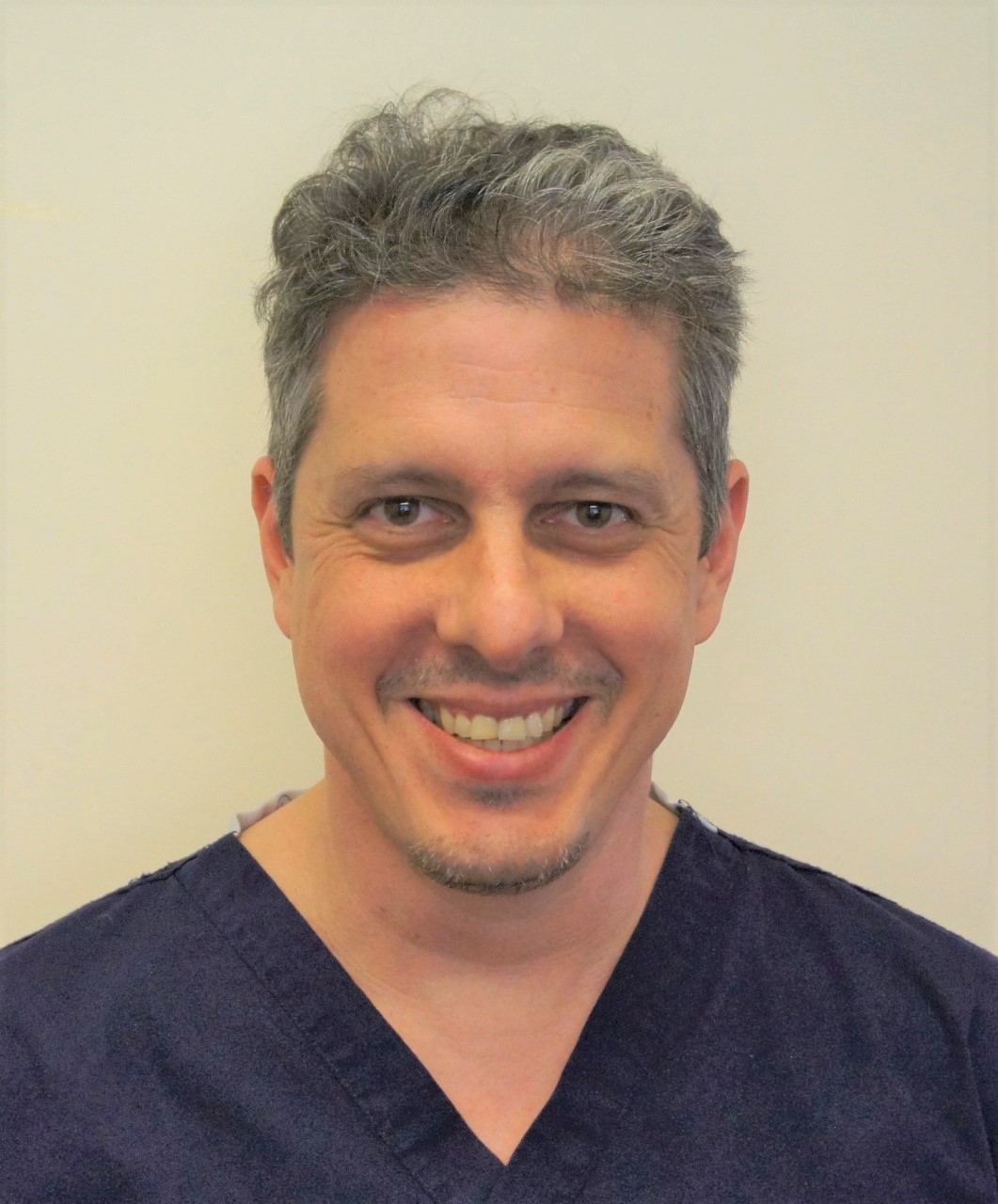
Ian Mills, Trustee of CGDent and Dean of FGDP(UK) – and a member of the SDCEP’s review group – said:

“SDCEP’s review of dental AGPs has been extremely thorough, and followed a rigorous and methodical approach. Its publication is potentially a very significant moment in the recovery of dental practices in the midst of the coronavirus pandemic and I commend the SDCEP Team for the hard work and dedication they have shown in producing this report.  

“We welcome in particular the more refined stratification of the transmission risk inherent in types of dental procedure; the allowance for fallow time to be calculated from the cessation of the procedure; and the sophisticated approach to calculating fallow time, which considers both procedural and environmental mitigation factors such as high-volume suction, the use of rubber dam and provision of adequate air ventilation.

“These approaches align exceptionally well with our own guidance and we feel it is important that current standard operating procedures are reviewed in light of SDCEP’s recommendations. Adoption of these measures will enable the increased delivery of patient care to tackle the backlog of unmet need, and avoid further deterioration in dental access and oral health inequality. A reduction in fallow time will also support the viability of practices, while the maintenance of universal precautions will continue to keep both patients and members of the dental team safe.

“We aim to update our guidance as soon as possible, and are currently working with partners to develop an online Fallow Time Calculation Tool to support its implementation.”

SDCEP’s Mitigation of Aerosol Generating Procedures in Dentistry – A Rapid Review is available at https://www.sdcep.org.uk/published-guidance/covid-19-practice-recovery/rapid-review-of-agps.

The current CGDent-FGDP guidance, Implications of COVID-19 for the safe management of general dental practice – a practical guide, is available at https://cgdent.uk/standards-guidance.

College of General Dentistry appoints new Ambassadors

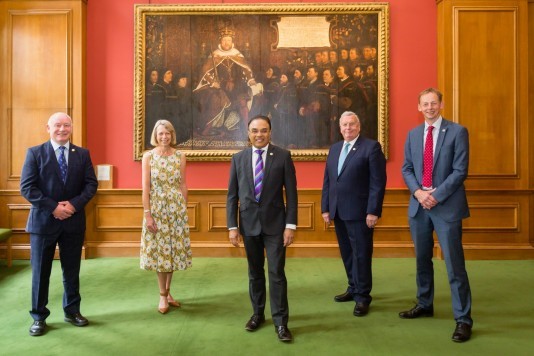
The College of General Dentistry is delighted to announce the further development of its ‘College Ambassadors’ scheme with the appointment of two new Ambassadors: Professor Jason Leitch CBE and Professor Jacky Hayden CBE.

College Ambassadors are drawn from different backgrounds and walks of life. They support engagement of the College in society, and promote its influence in the interests of patients, building trust and confidence in the College and dental healthcare professionals. Ambassadors help the College ensure dentistry is properly recognised for its importance as an integral element of general healthcare and wellbeing. Ambassadors support the College’s mission to promote preventatively orientated, minimum interventive, patient-centred, longitudinal care. 

More Ambassadors will be appointed in the coming months as the College works towards its historic, formal launch, rescheduled for early 2021, COVID restrictions permitting.

Chair of the College Board of Trustees, Professor Nairn Wilson, said:

“The Board of Trustees of the College is delighted to further develop the College Ambassador scheme with the appointment of Professors Jason Leitch and Jacky Hayden, both of whom have a wealth of experience and expertise. The College greatly looks forward to working with its new Ambassadors in realising its immediate and longer-term goals, including reaching out to all stakeholders, including patients and other healthcare professions, to enhance the effectiveness, standing and status of dentistry.”

Commenting on his appointment Jason Leitch said: “It is a huge honour to be invited to be an Ambassador for the College of General Dentistry. As National Clinical Director of the Scottish Government, the advancement of quality in all areas of healthcare is close to my heart. It is an exciting time for dentistry, and I am delighted to contribute to the initiative to form the College.”

Jacky Hayden said: “I am honoured to accept the invitation to be an ambassador for the College of General Dentistry. General Dentistry has led the way in postgraduate dental education, and it is a tribute to all involved that the aspiration for an independent College is now being realised. Our health care system needs generalists and the special skills that they bring in promoting good health and preventing disease. Congratulations to all involved.”  

Jason Leitch

Professor Jason Leitch CBE

Jason has worked for the Scottish Government since 2007. In January 2015 he was appointed as The National Clinical Director in the Health and Social Care Directorate. He is a Scottish Government Director and a member of the Health and Social Care Management Board. He is one of the senior team responsible for the NHS in Scotland, an Honorary Professor at the University of Dundee, and the 2011 UK Clinician of the Year. 

He is a Senior Fellow at the Institute for Healthcare Improvement (IHI), and a 2005-06 Quality Improvement Fellow at IHI, in Boston, sponsored by the Health Foundation. 

Jason is also a trustee of the UK wing of the Indian Rural Evangelical Fellowship which runs orphanages in southeast India. He has a doctorate from the University of Glasgow, an MPH from Harvard and is a Fellow of the Royal College of Surgeons of England, the Royal College of Physicians and Surgeons of Glasgow and the Royal College of Surgeons of Edinburgh.  He is also a Fellow of the Higher Education Academy.

Jason was appointed to NHS England review group led by Don Berwick looking into the patient safety elements of the Francis Inquiry.

Jacky Hayden

Professor Jacky Hayden CBE

Jacky Hayden is President of the Academy of Medical Educators, a Non-Executive Director and Senior Independent Director at University Hospitals Plymouth, a member of the Medical Tribunal Service Committee and the Suitable Person for the MPTS. She is also an Associate for the General Medical Council and has led quality assurance visits to most parts of the United Kingdom.

Jacky’s clinical background is in general medical practice, she was a partner in Bury, Greater Manchester for thirty years and she was a long-standing member of the Council of the Royal College of General Practitioners. She has always been an advocate of high-quality medical education and after experience as a trainer and then course organiser she was appointed as Regional Adviser in General Practice (1991-1996).

In 1997, she was appointed Postgraduate Dean for the University of Manchester and the North Western Region, a position she held for almost 20 years. She was the first general practitioner to be appointed as a Regional Postgraduate Dean and she led the merger of the two former deaneries in the North West. She has chaired and served on many national committees and working groups including Chair of the Committee of English Deans. She was awarded Honorary Fellowship of the Academy of Medical Educators in 2011.

Following her retirement as Postgraduate Dean in 2016, she worked for the University of Nicosia Cyprus to establish a postgraduate clinical training programme in Cyprus. Jacky has also championed medical leadership throughout her career: she is a Council member of the Faculty of Medical Leadership and Management and was awarded foundation senior fellowship of FMLM in 2018. Jacky has been awarded three honorary doctorates: St Georges University of London, Lancaster University and Edge Hill University, and honorary fellowship of the Royal College of Psychiatrists. In 2013 she was awarded the CBE for service to medical education.

Returning to Dentistry after COVID-19: Implementing Safe Practice

Sunday 9 August 2020

The COVID-19 pandemic caused dental practices across the world to close for several months. As practices started to re-open, dentists, dental care professionals and governments tried to work out the optimum way in which dental care could resume, while ensuring the safety of patients, staff and the community. The volume of information that came out could be challenging to navigate for the practising dentist and this webinar provided practical and evidence based guidance for the safe return to practice. 

This webinar was developed in particular for dentists and dental care professionals practising outside the UK, with the opportunity to address the most popular and relevant questions, and was hosted in association with the Faculty of General Dental Practice, Sri Lankan Dental AssociationKenya Dental AssociationProdental CPD and the Nepal Dental Association.

The Panel members are from the task group which developed the CGDent-FGDP(UK) guidelines, Implications of COVID-19 for the safe management of general dental practice, and several have experience of dental practice in South Asia.

Chair:

Panellists:

  • Dr Abhi Pal, GDP, Chair of the FGDP(UK) Professional Affairs Committee and Past Vice-Dean of FGDP(UK)
  • Dr Mick Horton, GDP, Trustee of the College of General Dentistry and Past Dean of FGDP(UK)
  • Dr Andy Edwards, Consultant in Oral and Maxillo-Facial Surgery and Vice President of the Royal College of Physicians and Surgeons of Glasgow
  • Prof Phil Taylor, Professor in Prosthodontics at the University of London and Dean Elect of the Faculty of Dental Surgery of the Royal College of Surgeons of Edinburgh
  • Dr Chet Trivedy, Consultant in Accident and Emergency Medicine

Participants were invited to submit two questions on registering, and the most popular questions were selected for the panel to answer.

The College recruits for an Advisory Strategy Group to guide its development

The College of General Dentistry is recruiting an Advisory Strategy Group, seeking contributions from across the dental team. This is an important opportunity for people across the Registrant community to make an active contribution, guiding the future direction of the College. 

The Group will play a crucial role in advising the Board of Trustees as they make plans to launch the College. The Group’s 15 members, who will have first-hand experience working across the dental team, will provide much-needed insight into the ideas, perspectives and priorities of people working in dentistry. 

Chair of Trustees, Prof Nairn Wilson, said:  “This is an exciting moment for the College, a step closer to its formal launch, and a mark of our commitment to embrace the interests and contributions of the whole dental team. We believe that a lack of diversity in leadership and influence in dentistry is a barrier to effectiveness – and we want our Advisory Strategy Group to draw upon strengths across the many communities that have such an important role to play for the future.”

Applications close on August 21st, with interviews planned in early September. Details can be found at https://wp.me/P8ZZcL-tx

The risk-based approach to COVID-19: FGDP(UK)-CGDent-ProDental CPD webinar

7 July 2020, webinar

This webinar, held in conjunction with ProDental CPD and the Faculty of General Dental Practice (UK), looked at safe working in the UK during the COVID-19 pandemic.
 

Panellists: 

  • Jason Wong, Deputy Chief Dental Officer for England
  • Eimear O’Connell FFGDP(UK), President, Association of Dental Implantology
  • David Cottam MFGDP(UK), Chair, BDA General Dental Practice Committee
  • Susan Nelson MFGDP(UK), Vice Dean, Faculty of General Dental Practice (UK)
  • Reena Wadia MFGDP(UK), Board member, Faculty of General Dental Practice (UK)
  • Ian Mills FFGDP(UK), Dean, Faculty of General Dental Practice (UK), and Trustee, College of General Dentistry
  • Roshni Karia MFGDP(UK), Board member, Faculty of General Dental Practice (UK)
  • Mick Horton FFGDP(UK), Trustee, College of General Dentistry 

CPD will be available:

Aims:

  • To look at safe working in the UK during the COVID-19 pandemic
  • To understand the concept and application of the risk based approach

Objective:

  • At the end of this webinar the participant will have a greater understanding of the application of the risk based approach and safe working practices during the COVID-19 pandemic.

GDC Learning Outcomes:

  • A, B, C, D

College of General Dentistry appoints its first Ambassadors

The College of General Dentistry is delighted to announce the launch of its “College Ambassadors” scheme and the appointment of its first Ambassadors – the Rt Hon Sir Mike Penning MP, Professor Dame Parveen Kumar and Dr Shelagh Farrell FFGDP(UK).

College Ambassadors are to be drawn from different backgrounds and walks of life. They will support engagement of the College in society, and promote its influence in the interests of patients, building trust and confidence in the dental profession.

Other Ambassadors will be appointed in the coming weeks, as the College works towards its historic, formal launch later in the year, COVID restrictions permitting. 

Our Ambassadors will help us to ensure dentistry is properly recognised for its importance as an integral element of general healthcare. They will support the College’s mission to develop public confidence in, and appreciation of the benefits of contemporary dentistry and the importance of oral health.

Chair of the College Board of Trustees, Professor Nairn Wilson, said:

“The Board of Trustees of the College is delighted and most grateful to Sir Mike, Dame Parveen and Shelagh Farrell for accepting the invitation to become the first of what is hoped to become a number of high profile, influential Ambassadors from many different backgrounds. The Trustees greatly look forward to working with our Ambassadors in realising the goal of a College which gives general dentistry new leadership, fresh standards, much-needed career pathways and enhanced professional standing in the interests of patients and the public.”

Commenting on his appointment Sir Mike said: “It is a great honour to be asked to be an Ambassador for the College of General Dentistry. We are witnessing technological advances in every area of healthcare and dentistry is no exception, so now is a perfect time to set up a new college to promote excellence and cooperation within the profession for the benefit of dentists and patients alike.”

Dame Parveen said: “’I am absolutely delighted that the College of General Dentistry is being formed and am honoured to be invited to be an Ambassador. Dentistry should take its rightful place with the other healthcare colleges and have a collegiate voice in the health of the nation. I look forward to working with the College.”

Dr Farrell said: “I am delighted to be an ambassador for the new College of General Dentistry. When the FGDP was established in 1992 it was always the ultimate aim to progress the Faculty into an independent College. After 28 years this ambition is being realised – a great achievement for the dental profession.”

Rt Hon Sir Mike Penning MP

Following a career in the army in the Grenadier Guards, as a firefighter in Essex, running a family business and political journalism, Sir Mike entered Parliament as the MP for Hemel Hempstead in 2005. 

He served on the Health Select Committee before being appointed as a Shadow Health Minister. Following the Conservative win in the 2010 general election he was appointed as a junior Minister at the Department for Transport. Subsequent reshuffles saw him serve as a Minister in the Northern Ireland Office, Department for Work and Pensions, the Ministry of Justice, the Home Office before finally serving as Minister of State at the Ministry of Defence.

He was appointed as a Privy Counsellor in 2014 and knighted for services to politics in 2018.

Professor Dame Parveen Kumar DBE

Parveen is Professor of Medicine and Education at Barts and the London School of Medicine and Dentistry, Queen Mary University of London. She is a physician and gastroenterologist. She has been President of the British Medical Association, President of the Royal Society of Medicine, President of the Medical Women’s Federation, and Vice President of the Royal College of Physicians, where she also held the roles of Censor, director of Continuing Professional Development and associate International Director for Education. She chaired the Medicines Commission UK, was a founding non-executive Director of the National Institute of Clinical Excellence (NICE) and chaired the BUPA Foundation for Research. She co-founded and co-edits Kumar and Clark’s Clinical Medicine, now in its 9th edition, a medical textbook used all over the world.

She is currently the President of the Royal Medical Benevolent Fund, chairs the board of Science at the BMA, is on two committees at Genomics England. She is ambassador for the UK Health Alliance for Climate Change. She is on various advisory boards and charities as a trustee (including British Youth Opera, Barts Charity, BMA Foundation). She has championed the role of women in medicine. She has won several prizes and awards and was awarded CBE in 2000 and DBE in 2017.

Dr Shelagh Farrell FFGDP(UK)

Shelagh Farrell was a Board Member of the FGDP(UK) from 1992 until 2017, serving as Vice-Dean on two occasions. Prior to that, she was a member of its precursor, the Advisory Board in General Dental Practice to the FDS (England) from 1982 to 1992, and a member of the FDS Board from 1987 to 1992. In recognition of 35 years’ service to the RCS of England she was presented with the first Faculty Medal of the FGDP(UK) in 2019.

In 1987 Shelagh was the first woman to be elected on to the Council of the BDA and has served as President of both the Western Counties and Southern Counties Branch of the BDA. She was also an elected member of the GDC from 1986-1991 and 1994-2001.

Qualifying in 1971 Shelagh was appointed as a House Officer and Senior House Officer at Bristol Dental Hospital before starting her own practice from scratch on the outskirts of Bristol. The practice expanded and so she took on an associate and a hygienist, and later on an orthodontist. Having studied for her MSc in conservative dentistry at the Eastman Dental Hospital in 1990-91 she became a partner in a multi-disciplinary practice in Reigate, Surrey and in 2000 was entered on to the specialist list of Prosthodontics. Today she is still treating referred patients in removable prosthodontics.

FGDP(UK) & CGDent publish COVID-19 guidance synopsis

The College and FGDP(UK) have published a synopsis of their guidance on the implications of COVID-19 for the safe management of general dental practice.

The new synopsis highlights key recommendations at each step of the patient journey, and is designed to be used in conjunction with the guidance, which supports dental professionals to take a risk-based approach to providing safe care, whatever the national COVID-19 threat level.

The guidance, originally published on 1 June, has also now been updated with some minor amendments. Among these, prophylactic polishing of teeth has been added to the risk stratification matrix, use of face coverings by all patients and carers in non-clinical areas is now recommended (in line with government advice on preventing transmission in enclosed public spaces), and the use of shoe and head coverings is only now advised when indicated by a risk assessment. There are also some clarifications, such as around selection of PPE based on a risk assessment, and on the mopping of floors between patients following treatment carrying a high risk of exposure to aerosol.

Both the synopsis and guidance are available on the FGDP and CGDent website.

Production of the synopsis has been supported by Sensodyne.

COVID-19 guidance: FGDP(UK)-CGDent webinar on the safe management of general dental practice

Wednesday 3 June 2020, webinar

Earlier this week, the Faculty of General Dental Practice (FGDP(UK)) and College of General Dentistry published Implications of COVID-19 for the safe management of general dental practice – a practical guide.

In this webinar, questions about the guidance were answered by members of the development group:

  • Dr Ian Mills FFGDP(UK), Dean, Faculty of General Dental Practice (UK)
  • Dr Mick Horton FFGDP(UK), Trustee, College of General Dentistry
  • Dr Onkar Dhanoya, Chair, Forward Planning Task Group
  • Dr Roshni Karia MJDF, Vice Dean, Faculty of General Dental Practice (UK)
  • Diane Rochford, DCP representive, British Association of Private Dentistry, and representing nine national DCP membership organisations (TBC)
  • Dr Chet Trivedy FDS RCS Eng, Consultant in Emergency Medicine

This event has finished. Details of a recorded version will be posted shortly.

Supported by Sensodyne

FGDP(UK) & CGDent launch UK guidelines for safe return to dental practice during COVID-19

The FGDP(UK) and newly formed College of General Dentistry have convened an expert task force to review the evidence base for dental practice during the COVID-19 outbreak and have today launched the official summary report of the guidelines ‘COVID-19: guidelines for safe care in general dental practice’.

The Guidance can be accessed here.

The UK wide task force panel includes 30 senior members of a number of organisations, including the British Dental Association, the Faculty of Dental Surgery of the Royal College of Physicians and Surgeons of Glasgow, the Faculty of Dental Surgery of the Royal College of Surgeons of Edinburgh, the Association of Dental Groups, the Association of Dental Implantology and the newly-formed British Association of Private Dentistry and has received support and input from groups across the profession including the British Society of Dental Hygiene & Therapy and the British Association of Dental Nurses. It supports dental professionals to take a risk and evidence-based approach to providing care in the current circumstances and allows the flexibility of setting minimum requirements whatever the national COVID-19 threat level.

Ian Mills, Dean of FGDP(UK) comments “During the initial stages of the pandemic it was important that all but emergency dentistry procedures were paused. However, we are now at a point where the risk to the oral health of the population will be impacted unless practices are able to reopen, albeit with the correct protection for patients and the dental team. 

This guidance has been developed as a framework to enable the confident return to practice, now and also into the future as the situation with COVID-19 continues to evolve. It is the result of the collaborative effort of a team of dedicated individuals from across the profession who have spent the last few weeks committed to reviewing the evidence, assessing the risks and finding a way forward.”

In line with other FGDP(UK) Guidance and Standards publications, the guidance adopts the ABC (Aspirational, Basic, Conditional) approach to measures with ‘basic’ measures being a minimum standard.

The guidance is divided into five sections – four of which reflect the patient journey and the fifth concerns general management of the practice. These sections are assigned a risk status and ABC based risk mitigation measures to ensure safe practice and include:

  1. Pre-appointment – including the important role of digital communication to minimise contact time
  2. Patient attendance (pre-treatment) – including the communication of new infection control and prevention procedures to patients along with changes to waiting areas
  3. During treatment – including recommendations for approaches to aerosol generating exposures (AGEs) developed using a model based on risk continuum and recommendations for appropriate levels of PPE
  4. After treatment – including procedures to protect patients and staff and the use of an appropriate fallow period following high risk AGEs
  5. Management/governance tasks – including risk assessments for all staff members and awareness of the need to encourage staff to monitor and support if they feel unwell

Onkar Dhanoya, Chair of the Task Group, commented “These guidelines have been developed to address the specific needs of primary dental care. This includes the recognition that whilst safety of patients and team members is the priority, closure of practices is in itself harming patients, their oral health and psychological wellbeing. The use of the risk matrix tables within the guidance allows us to reflect the varied needs of practices and the fluid nature of the current situation.”

Roshni Karia, Junior Vice Dean, FGDP(UK) comments “The COVID-19 pandemic has brought uncertainty to a number of aspects of daily life. This guidance aims to help develop specific strategies for primary dental care with a realistic approach to what can be achieved in practice. It also provides guidance for supporting patients and staff who may be in greater risk categories. By working together as a team, we can all proceed with confidence and help to sustain trust in dentistry overall.”

Sign up to alerts and updates on our Guidance

National dental organisations join forces to agree return-to-work guidance

National dental organisations have joined forces to agree guidance for UK general dental practices on returning to work as the coronavirus pandemic eases.

The COVID-19 Future Planning Task Group, convened by the Faculty of General Dental Practice UK and College of General Dentistry, brings together senior members of a number of organisations, including the British Dental Association, the Faculty of Dental Surgery of the Royal College of Surgeons of England, the Faculty of Dental Surgery of the Royal College of Physicians and Surgeons of Glasgow, the Association of Dental Implantology and the newly-formed British Association of Private Dentistry.

Dental care professionals are represented to ensure all members of the dental team are able to contribute to this vital piece of work, and the Task Group includes patient representation as well as significant professional experience and expertise in a range of areas. These include infection prevention and control, practice management and emergency medicine during the COVID-19 pandemic, and further individuals and organisations will be added or consulted over the coming weeks.

Minimising the risk of COVID-19 transmission within and outwith general dental practices as a result of re-opening will bring significant implications for patient care and practice management. The group aims to support and enable a return to practice as soon as it is safe to do so, focussing on key areas to address, identifying or developing practical solutions, and feeding into national planning.

It is highly likely that the measures necessary to safely resume general dental practice will carry substantial financial implications, which will have a profound impact on both NHS and private practices. The increased burden on the NHS will be considerable, and it is clear that the safe treatment of the oral health needs of much of the population will only be possible with significant additional public funding.

The general dental profession has already returned to work in many countries, and the group will draw upon the research, advice and resources already published around the world, as well as those within the UK, adapting and adding to them as necessary to create guidance which is relevant and applicable to primary dental care throughout England, Scotland, Wales and Northern Ireland as soon as possible.