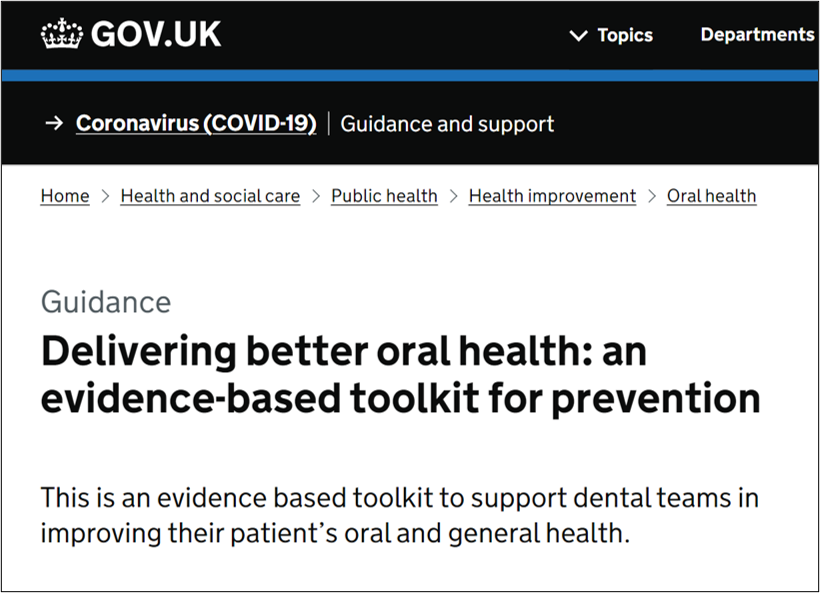
With chapters covering behaviour change, dental caries, periodontal diseases, oral cancer, tooth wear, oral hygiene, fluoride, healthier eating, alcohol, smoking and tobacco use, the revised document gives dental teams access to the best evidence of what works for oral health improvement, all in one place, to help them provide high quality preventative care and advice to patients.
The summary guidance tables remain an invaluable resource for general dental professionals, and new content has been added on infant feeding and early detection of oral cancer, further detail given on tobacco cessation and alcohol reduction, and a new table included which focusses on accelerated tooth wear.
The fourth edition also offers case studies in supporting behaviour change, as well as greater consideration of the oral health of older people and other vulnerable groups, and a new digital format provides better accessibility on mobile devices.
Issued jointly by Public Health England and the Departments of Health in England, Wales and Northern Ireland, it is the result of a comprehensive review of published evidence on prevention involving over 100 experts, among them frontline dental teams and patient representatives.
Ian Mills FCGDent, College Ambassador and past Dean of the Faculty of General Dental Practice, was among those overseeing its development, and Yann Maidment MCGDent, Council Member and College Research Lead, is on the Delivering Better Oral Health Implementation Group.
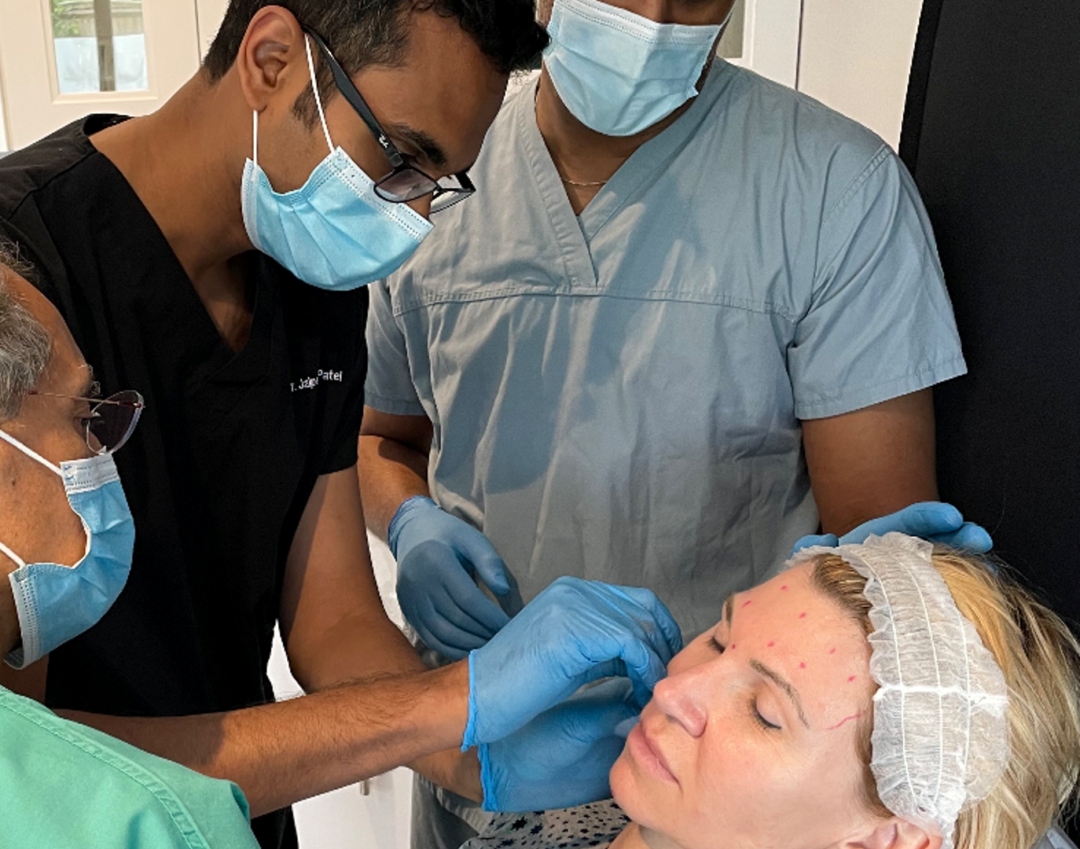
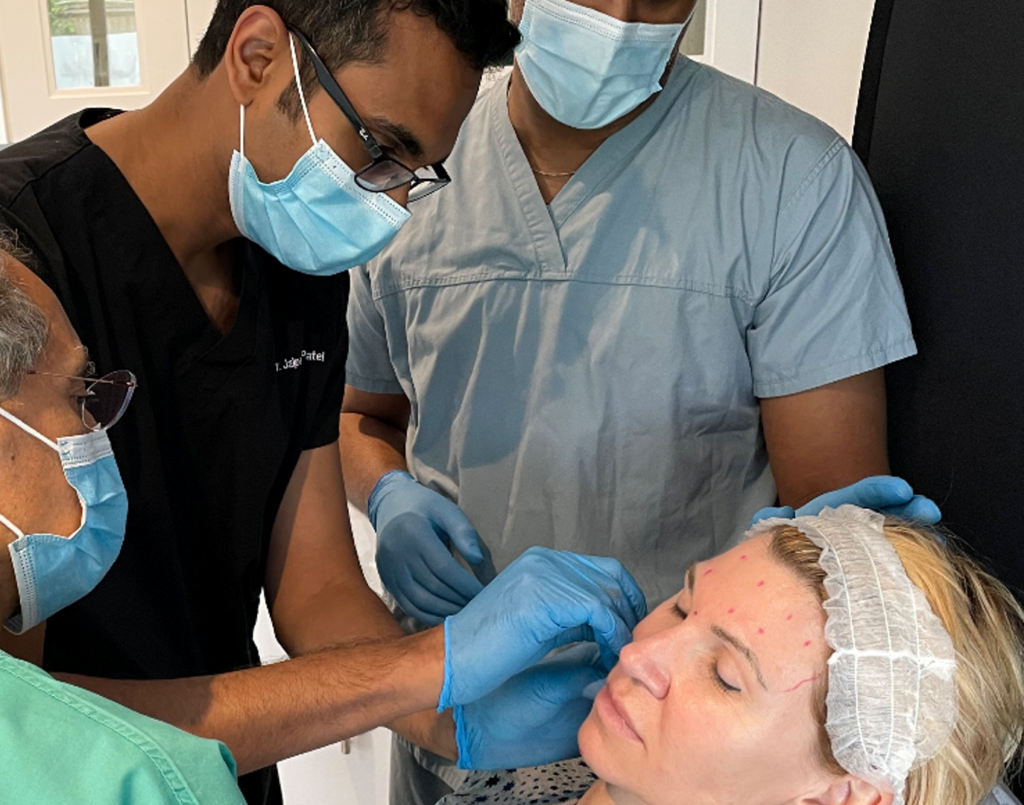
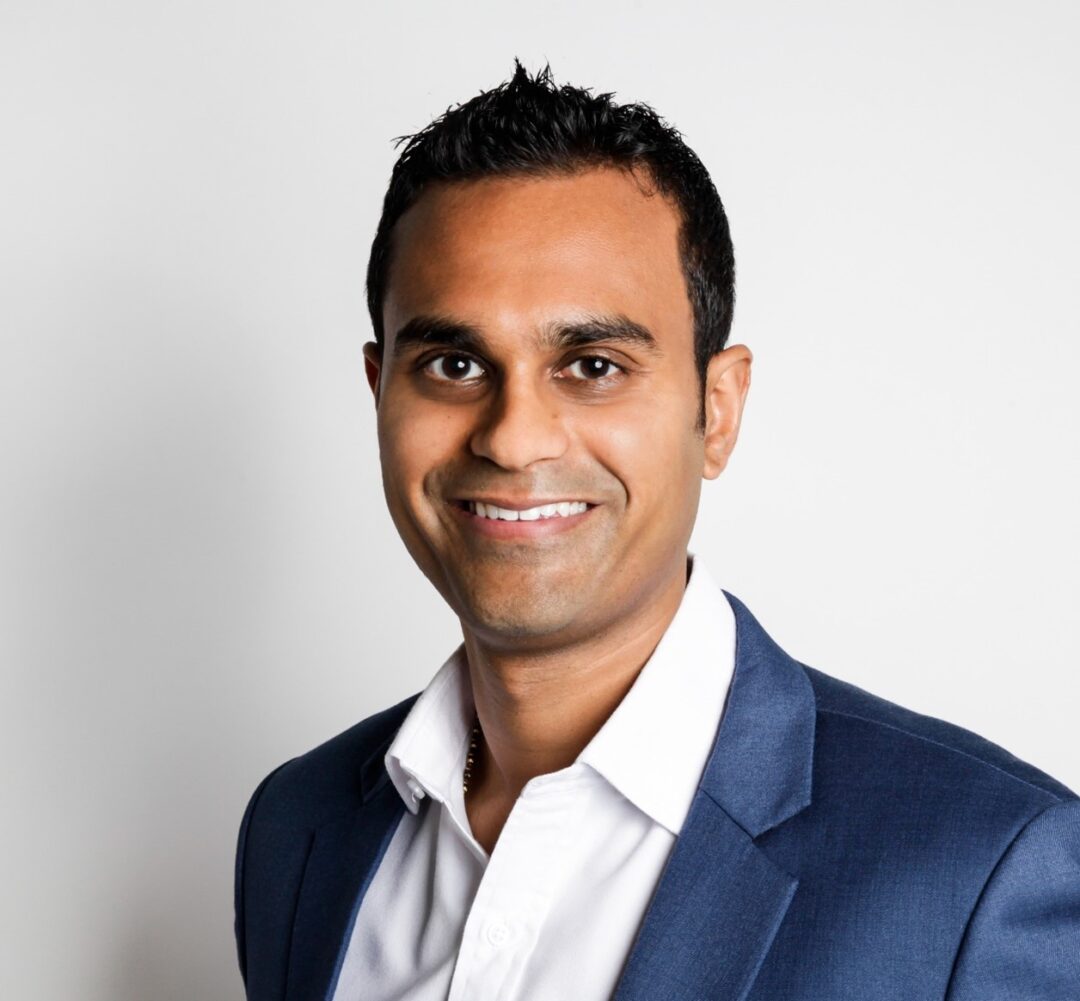
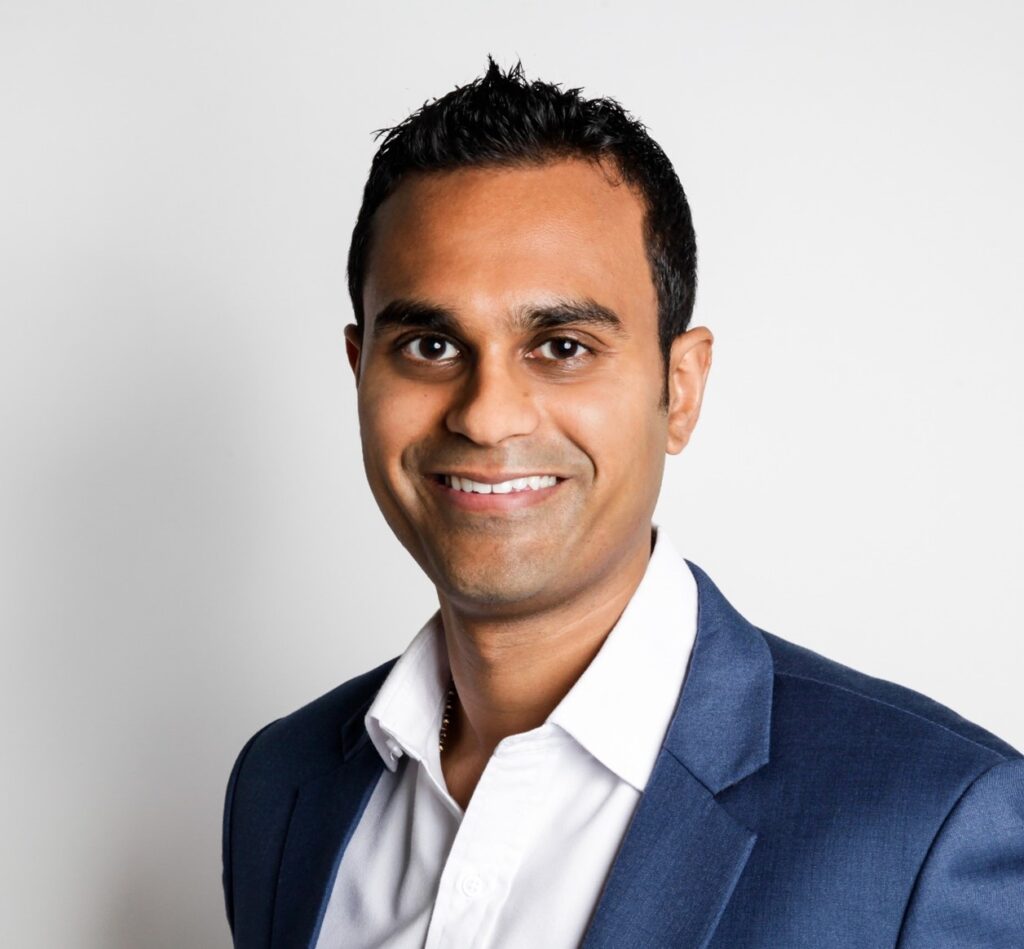
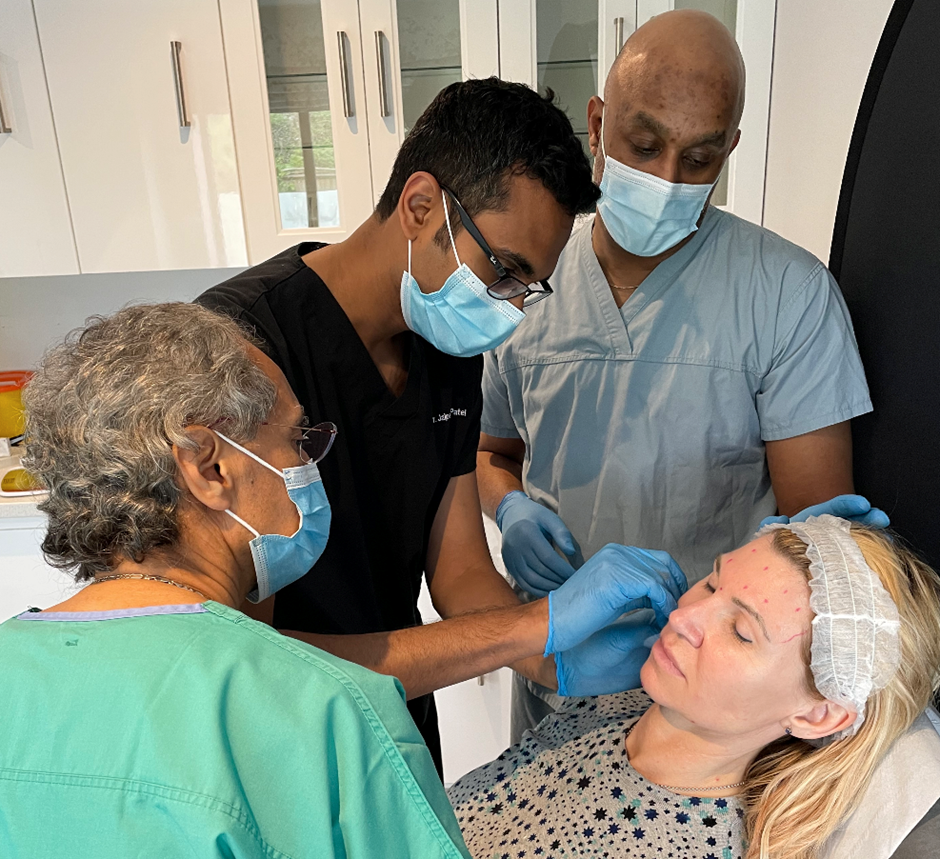
Dr Jalpesh Patel, Founder of RASA Academy, one of the College’s Trusted Training Providers, describes how his own experience of the available training options inspired him to develop the new Postgraduate Certificate in Non-Surgical Facial Aesthetics with CGDent.
It is funny how your career pans out; I would have never thought that when I graduated, I would then go on to establish a training academy in Non-Surgical Facial Aesthetics and develop a postgraduate certificate programme with a dental college. Fortunately, it has been a fantastic journey thus far.
In my very early career as a general dental practitioner there was a demand for cosmetic injectable treatments at the practices I was working at and it was the receptionists who encouraged me to embark on some training in this field I knew little about. At the time the trend was to attend a few short courses, which were often in big groups with minimal applied and “hands on” training and then you were encouraged to start seeing your own patients. Naively this is how I proceeded and needless to say there were some anxieties. When I look back to why I established RASA Academy this was one of the overriding reasons; to make sure practitioners did not have this feeling and that they were incredibly prepared prior to seeing their own patients.
As my career progressed, non-surgical facial aesthetics proved to form a large part of my clinical activity. Having completed a Masters in Aesthetic Dentistry, which had a small proportion dedicated to cosmetic injectables, I also attended a number of other courses as well as completing a Postgraduate Certificate in Skin Ageing and Aesthetic Medicine at the University of Manchester. It was at this stage I became more involved in the regulatory aspects of this industry, which made me realise that there was a “movement” occurring towards stricter regulation and the realisation there had to be more formality to the educational pathways involved in this industry. This was the trigger for the establishment of RASA Academy; which in the last 18 months has collaborated with the CGDent to develop the innovative Postgraduate Certificate in Non-Surgical Facial Aesthetics which provides dental practitioners with a comprehensive training route into this industry.
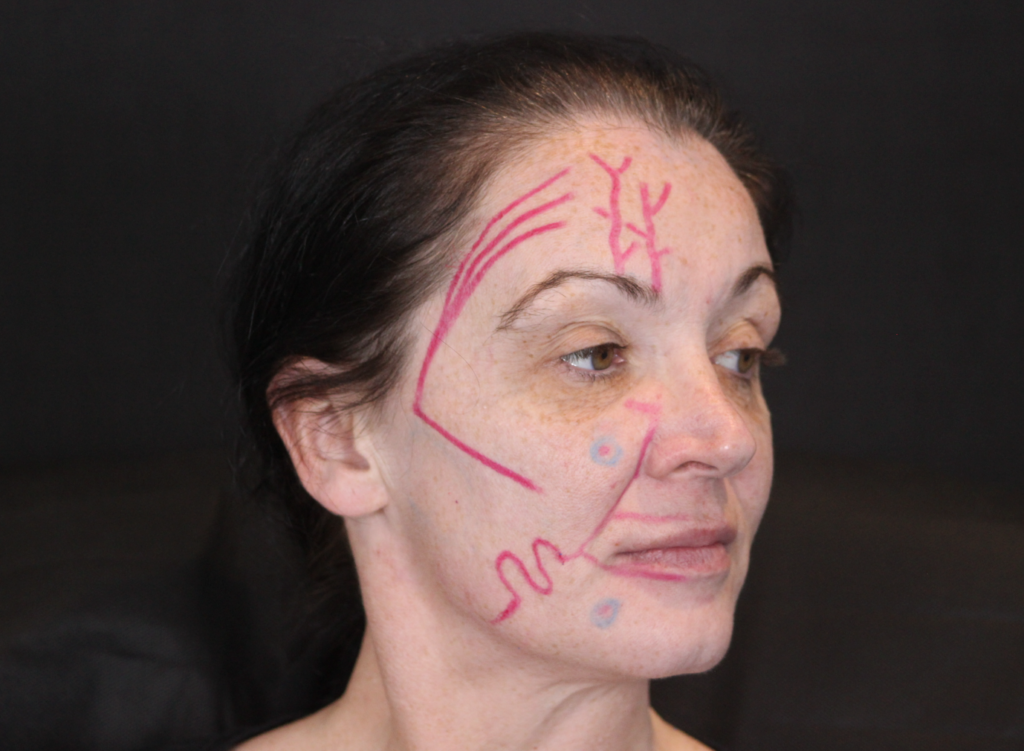
The main aims of this programme are to give a busy practitioner the opportunity to embark on a structured pathway to help them steer their career partially or fully into providing cosmetic injectables. It is highly clinical (40+ cases will be observed and treated at the academy) and so students will transition from the training environment to practising independently with confidence, in contrast to when I was training many years ago.
Unlike attending a number of short courses, the detailed structure of the programme ensures students benefit from a holistic approach to their training covering a set number of clinical cases, from assessment to treatment, and evidence-based theory as well as developing a detailed commercial and business awareness to help grow their aesthetic practice.
We place an emphasis on applied, patient-facing learning which takes place in both small groups and 1:1 mentoring sessions with our highly experienced trainers. Our trainers have a variety of clinical backgrounds from dentists that work exclusively in dental practice to boutique aesthetic clinic owners, as well as injectors for reputable skin clinics. The blend and delivery of learning is fantastic and the collaboration with the College of General Dentistry has been entirely appropriate as our visions and ethos are aligned.
From a student’s perspective, the rubber stamp from the College ensures the training has been quality assured to a high level and they are embarking on a programme which will have a level of future proofing and rigour. Interestingly, there are currently no similar College-backed programmes and so this is truly a unique and impactful offering, which I believe will make a real difference to someone’s career in an industry which has significantly growing demand.
We currently have our first cohort of students going through the programme and are really excited to be accepting new candidates for enrolment. We would be delighted to welcome prospective students who are considering venturing into this field or wishing to increase their scope of practice in non-surgical facial aesthetics. We also have completed a series of webinars covering many important topics including an introduction to facial aesthetics, how to plan your educational journey whilst considering regulation, clinical considerations, cases and complications. These are aimed at practitioners at all stages of their facial aesthetics career but in particular those in the consideration phase or early stages. CGDent members have complimentary access to these videos and can also claim CPD.
The CGDent and ProDental CPD Non-Surgical Facial Aesthetics webinar series, presented by Dr Jalpesh Patel, is available below.
CGDent members and ProDental subscribers have free access to the recordings and can claim CPD for free. A £20 fee will apply for non-members/non-subscribers. To receive information on upcoming CGDent webinars and events, sign up to the CGDent newsletter.
The CGDent’s Postgraduate Certificate in Non-Surgical Facial Aesthetics is suitable for candidates seeking to incorporate non-surgical aesthetic medicine in their practice or to embark fully in a career in this area. Find out more and apply here.
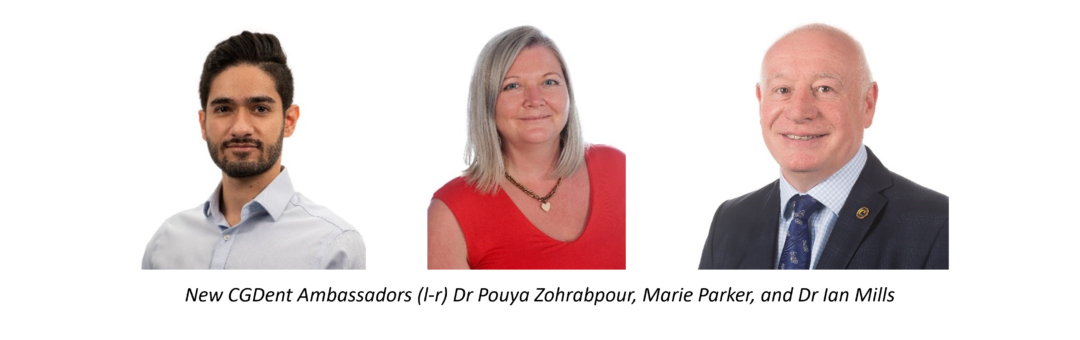
The College of General Dentistry has announced the appointments of Dr Ian Mills, Marie Parker and Dr Pouya Zohrabpour as ambassadors.
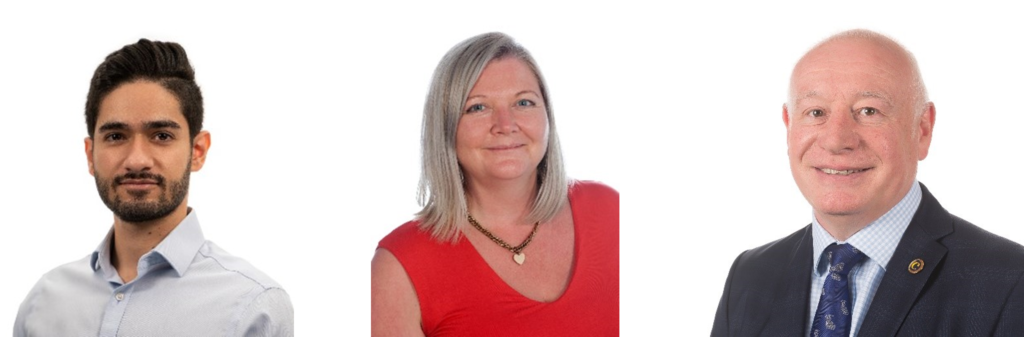
New CGDent Ambassadors (l-r) Dr Pouya Zohrabpour, Marie Parker, Dr Ian Mills
Drawn from a variety of backgrounds, College Ambassadors have a remit to advocate for the college’s mission and vision, and the new appointments further expand the range of expertise and scope of influence among its team of ambassadors, and increase its size to fifteen.
Dr Ian Mills FCGDent is a Founder and former Trustee of the College of General Dentistry, a partner in an eight-surgery mixed NHS-and-private practice in North Devon, and Associate Professor in Primary Care Dentistry at Peninsula Dental School. A past Dean of the Faculty of General Dental Practice UK (FGDP) and former Trustee of the Royal College of Surgeons of England, he has represented the profession on a range of local and national committees including Devon LDC, the BDA General Dental Practice Committee and NHS England’s Dental Systems Reform Advisory Board, and in 2020 was a member of the CGDent-FGDP COVID-19 guideline development group and SDCEP’s AGP Rapid Review group. He is a Fellow of CGDent, the Faculty of Dental Surgery of the Royal College of Physicians and Surgeons of Glasgow, the International College of Dentistry and the Higher Education Academy, and a past Fellow of FGDP, and in 2018 he was awarded a PhD from Peninsula College of Medicine and Dentistry for his research on person-centred care in dentistry. Involved in undergraduate and postgraduate education, and actively engaged in practice-based research, his other research interests include patient-reported outcome measures and environmental sustainability in dentistry.
Marie Parker is the Deputy Programme Director of Hygiene and Therapy at University College Hospital NHS Foundation Trust London and an Associate Member of CGDent. Since qualifying as a dental nurse, Marie has worked in various areas of dentistry and completed a number of leadership and management qualifications, as well as a Master’s in Education. An advocate and promoter of dental nursing careers, and of improving the accessibility of education and training for all registered dental care professionals, she has been involved in the training and education of dental nurses and other members of the dental team throughout most of her career. Currently co-chair of the Dental Trailblazers group, she is a past Chair and Trustee of the National Examining Board for Dental Nurses.
Dr Pouya Zohrabpour graduated BDS from the University of Bristol in 2020 and is an Associate Member of CGDent. He completed his Foundation Training in north-west London, where he continues to work as an associate dentist in both a mixed and a private practice, and earlier this year he received the Faculty of General Dental Practice UK’s Foundation Dentist of the Year award in recognition of his professionalism, dedication, and development of training initiatives for young dentists. He pursues his passion for teaching through his Two Dentists YouTube channel and Instagram account, and collaborates with the My Dental Care app to create oral health videos aimed at educating the public.
Commenting on the new appointments, Dr Abhi Pal FCGDent, President of the College, said:
“A strong, dynamic, diverse team of ambassadors is important to the College in working towards eligibility for the award of a Royal Charter and realising its considerable potential for the profession and our patients. Ian, Marie and Pouya bring with them a range of experience and professional interests which will help the College fulfil its aspirations. Marie and Pouya reflect the diverse dental professional backgrounds which the College has a mission to support, from established members of the dental team to those who are beginning their careers in dentistry, and as a past Dean of the FGDP, Ian was instrumental in CGDent’s formation, and brings considerable experience. I am delighted to welcome them as College Ambassadors and look forward to working with them.”
Ian Mills said:
“I am honoured to be invited to be a College Ambassador. I believe the establishment of the new college was a historic moment for dentistry, building on the fantastic achievements of the FGDP(UK). Dentistry is facing a number of huge challenges at the present time, and there is no doubt that CGDent will play a vital role in leading and supporting the dental profession in the years and decades ahead. The COVID pandemic has demonstrated the importance of collaboration, cooperation and inclusiveness. It is hugely encouraging to see that CGDent has these values at its core as the collegiate home for all members of the dental team.”
Marie Parker said:
“I’m delighted to be appointed an ambassador for the College of General Dentistry. The college has, from the start of its journey, ensured that dental nurses, together with all other dental care professionals, have been included in its development. Now more than ever it is important that the professions come together to overcome current challenges and realise the potential of the dental team. I look forward to working with the college to promote, champion and celebrate the role and importance of dental nurses.”
Pouya Zohrabpour said:
“The College of General Dentistry will positively influence the careers of many dental professionals, and aid us all in our development. I am excited to have a role in this journey as a College Ambassador, and look forward to helping the college in achieving its goals and visions.”
Previously appointed College Ambassadors include:
Dr Louise Belfield, Associate Professor of Biomedical and Oral Health Sciences, Peninsula Dental School
Professor Jonathan Cowpe, former Director of Postgraduate Dental Education in Wales
Dr Shelagh Farrell, Founder Member of the Faculty of General Dental Practice UK
Dr Marina Harris, Senior Lecturer and Periodontology Lead, University of Portsmouth Dental Academy
Professor Jacky Hayden CBE, President, Academy of Medical Educators
Professor Richard Horton, Editor-in-Chief, The Lancet
Dame Parveen Kumar DBE, Emeritus Professor of Medicine and Education, Barts and The London School of Medicine and Dentistry, Queen Mary University of London
Professor Jason Leitch CBE, National Clinical Director, Scottish Government
Dr Govin Murugachandran, Founder, Flynotes
Dr Yewande Oduwole, Associate Dentist
Rt Hon Sir Mike Penning, Member of Parliament
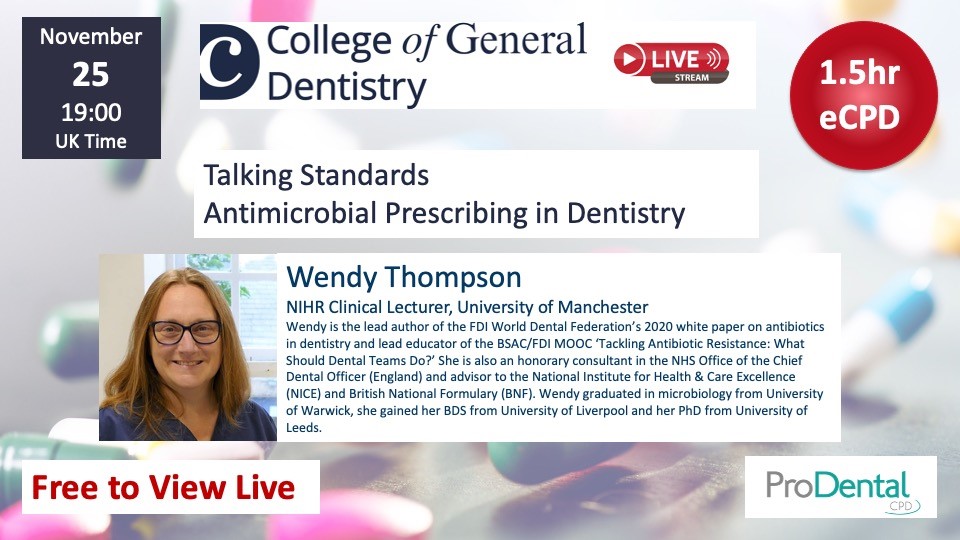
Dr Wendy Thompson, Lecturer in Primary Dental Care, University of Manchester
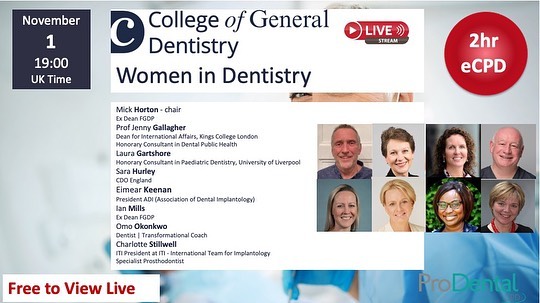
This webinar is part of our ‘PDJ Live’ series, which examines topics covered in contemporary issues of the Primary Dental Journal, the College of General Dentistry’s quarterly peer-reviewed member journal for the whole dental team.
It is one of three events exploring the subjects of the papers in the June 2021 issue on leadership and professionalism, and convenes some of the authors, together with a range of other voices from across the profession, to discuss aspects of the theme of women in dentistry.
CGDent members interested in reading the articles ahead of the webinar will find both in their print copy of the June issue, or can read them online by logging in to the CGDent website and visiting https://cgdent.uk/primary-dental-journal-member-only/. Non-members can access the first paper via the title link above as it has been made free-to-view online. Other papers can be rented or purchased, and non-members also have the option to take out an annual subscription.
Chair:
Mick Horton, Guest Editor of the June 2021 issue of the Primary Dental Journal
Omo Okonkwo, Award-Winning General and Cosmetic Dentist / Transformational Coach
Charlotte Stilwell, President, International Team for Implantology / Specialist Prosthodontist
CGDent members and ProDental subscribers have access to the recording of this event, and can claim CPD hours, free of charge. A £20 fee applies for non-members/non-subscribers.
Membership of the College of General Dentistry is open to all registered dental professionals. Membership for dentists is available from £94, and for other registered dental professionals from £33. The full list of CGDent membership rates is at https://cgdent.uk/membership-fees/.
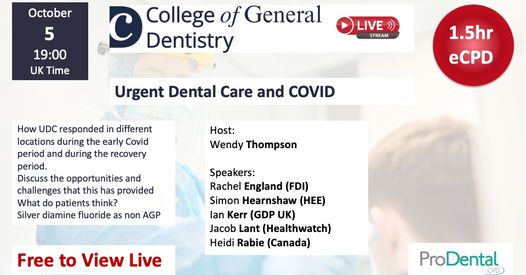
Participants take an honest look at urgent dental care (UDC) during and after the initial period of the COVID-19 pandemic. The opportunities and challenges that arose during the pandemic are examined and new models for UDC considered.
Chair:
Dr Wendy Thompson, general dental practitioner and academic
Speakers:
Simon Hearnshaw, Training Programme Director, Yorkshire and the Humber
Ian Kerr, general dental practitioner
Rachel England, dental hygienist
Jacob Lant, Head of Policy and Research, Healthwatch England
Dr Heidi Rabie, Chief Dentist of AHS Public Health Dental Clinics
CGDent members and ProDental subscribers have access to the recording of this event, and can claim CPD hours, free of charge. A £20 fee applies for non-members/non-subscribers.
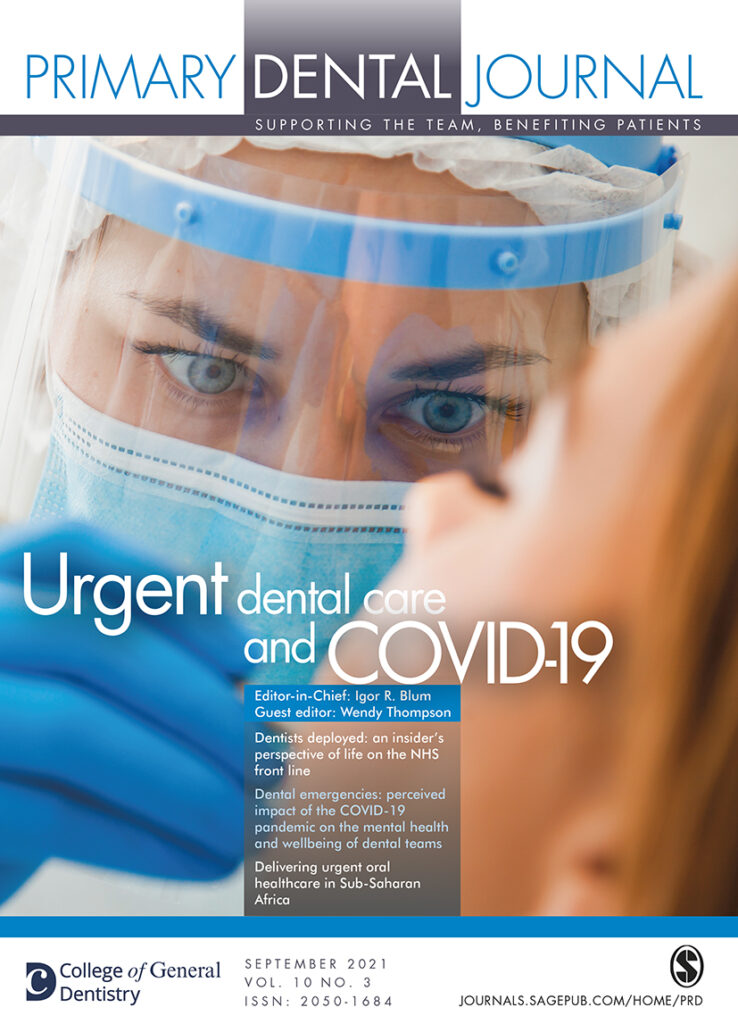
Part of the partnership between the College and ProDental CPD, this webinar is in our PDJ Live series, which discusses issues and topics highlighted in the College’s themed, member journal, Primary Dental Journal. To receive information on further upcoming events, sign up to the CGDent newsletter.
Membership of the College of General Dentistry is open to all registered dental professionals. Membership for dentists is available from £94, and for other registered dental professionals from £33. The full list of CGDent membership rates is at https://cgdent.uk/membership-fees/.
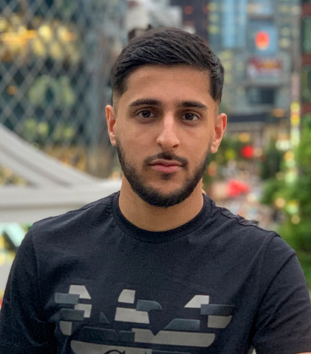
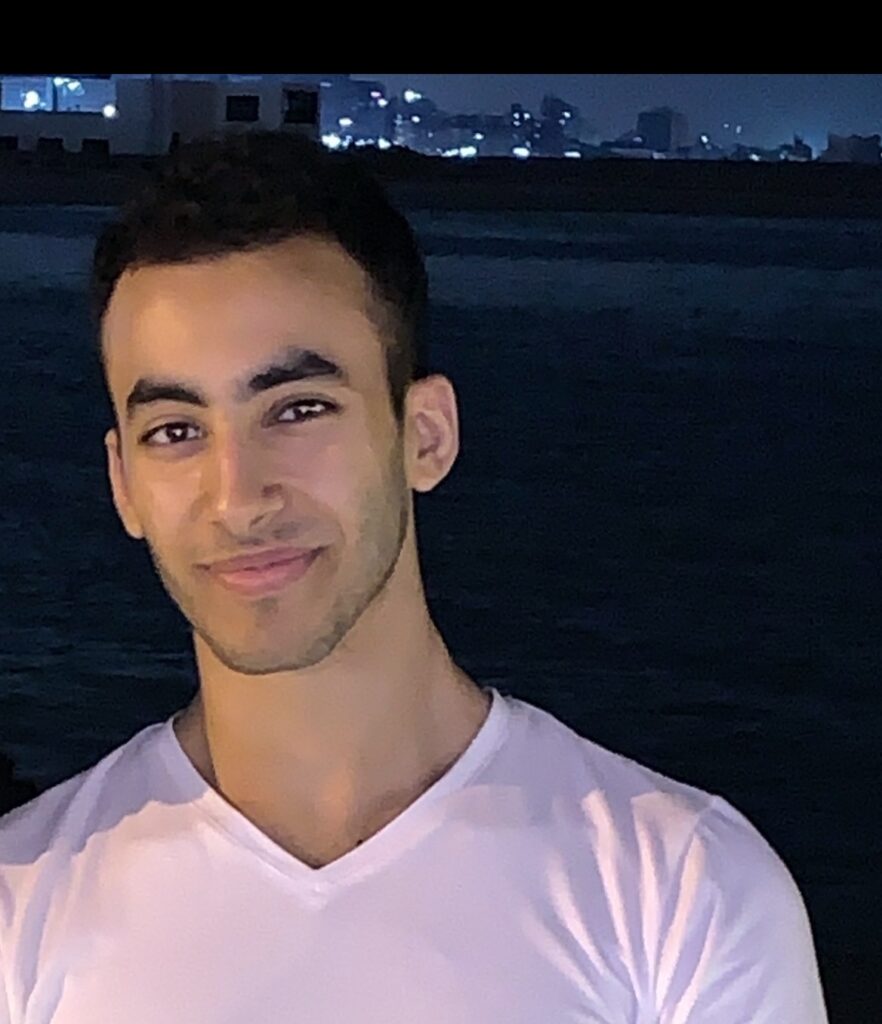
Mohammed Ahsen Arshad and Ahmed Ahmed, fifth year BDS students at Plymouth University Dental School, explain the importance of good photography skills in dentistry and how to get accurate and effective images.
Being able to take good photographs is key skill that dental care practitioners (DCP) must possess and develop, as it allows them to do a multitude of things including:
keep an accurate record of patients’ presenting dentition
convey more information when referring to lab, especially helpful in anterior restorations
provide a powerful diagnostic aid when treating and referring patients
allows DCPs to illustrate the effectiveness of their treatment
useful for auditing restorations especially when considering Aesthetics
marketing clinical abilities as a dentist through social media and clinical articles.
In dental school you will be provided with a camera and undergo some training but the best way to learn is to practice and get comfortable with the setup. Quite often this is the first time you will encounter a Digital Single-Lens Reflex (DSLR) and have to shoot manually. Learning to take photos in dental school will aid you in exit case presentations, and much more, and is an invaluable skill which you will carry throughout the rest of your career.
Consent
Before you can take any photographs you must obtain valid consent and explain the purpose of the photographs. This could include recording wear, presentations, comparing shade after bleaching, educational purposes for illustrating soft tissue/hard tissue lesions. You must also inform the patient where these pictures may be used or posted. Photographs are often anonymized so patients need not worry about their confidentiality.
Camera setup and settings
In a standard setup you will need:
your camera body,
a macro lens (the larger the focal length the further away you can be from the patient whilst taking photos)
a ring flash.
Before you can make any adjustments you need to understand the basic function of each setting. As changing each one will lead to different results.
Aperture is the size of the opening in which light passes through and is controlled via F values.
Speed is how long the camera is open for this can be as little as 1/8000 seconds and as high as 30 seconds.
ISO is sensitivity to light – as it increases the camera becomes more sensitive and can range from 100 to 6400.
White balance is the process of removing unrealistic colour casts, so that objects which appear white in person are rendered white in your photo. It is best to set the camera to daylight or 5500k.
Top tips
Use a scratch free mirror and don’t let it fog up. You can achieve this by warming your mirror up under some warm water beforehand.
Keep the focal length the same in before and after photos, in side-by-side comparisons this will look much better.
Don’t be afraid to move the patient, yourself and the chair as positioning is key
Communicate with the patient and your nurse
Use small cheek retractors
Eliminate debris and distractions (saliva, makeup and lipstick)
Ask for advice – your supervisor will have much more experience than you, ask them to show you how to take the best photos and how they do it
Finally, practice on each other.
Recommended settings
Extraoral:
Exposure mode: M
Aperture:F9
Speed: 80
ISO: 200
Intraoral:
Exposure mode: M
Aperture: F22
Speed: 200
ISO: 200
Recommended positions
Front view
Teeth should be in full contact
Show as much gingivae as possible
Midline of the face should be used as a vertical midline of the photo
Position of the camera directly in front and 90 degrees to subject
Lateral view
Contra-lateral central incisor and contralateral lateral incisor and canine should be visible.
Centre the photo on lateral incisor/canine region
Vertical midline of the photo should be the lateral incisor/canine
The horizontal midline of the photo should be in the incisal plane.
Upper occlusal:
Patient position: Fully reclined, take photographs from behind patient if possible.
Always use mirrors or retractors if possible.
The buccal contour of upper centrals should be visible near the edge of the photo.
Frame the photo so mirror edges are as minimized as possible.
45 degrees to the mirror surface
Show as many teeth as possible.
Lower occlusal:
Patient position: Slightly reclined and head tilted back.
Always use mirrors and retractors if possible
Eliminate fog on mirror, can be done by warming mirror up with hot water
45 degrees to the mirror surface
Show as many teeth as you can
Photo should show: Incisal edges of incisors and facial and lingual embrasures.
Author bio
I am entering the final year of the BDS curriculum at Peninsula Dental School. I look forward to treating patients and further developing my skills as a clinician. I have found a particular interest in restorative dentistry, OMFS and oral surgery.
Outside university, I like travelling and learning about different cultures, reading about anthropology, playing chess and enjoy sports such as cardiovascular endurance training, swimming, football and basketball. In the future I look forward to graduating and starting DFT in 2021.
Ahmed Ahmed
I am entering my final year of study this year at Plymouth university. I look forward to graduating and starting DFT in 2021. Whilst at university, I have found an interest in oral and maxillofacial surgery in particular head and neck cancer surgery.
Outside of university, my hobbies include playing sports, travelling and photography. Last summer I went to Japan and discovered a new passion for baseball which I hope to pursue further.
Mohammed Ahsen Arshad
This student advice blog was originally published by FGDP(UK) in August 2020 and has been republished by the College of General Dentistry with the author’s permission.
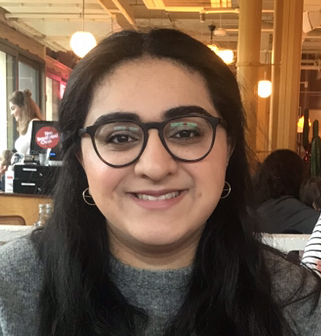
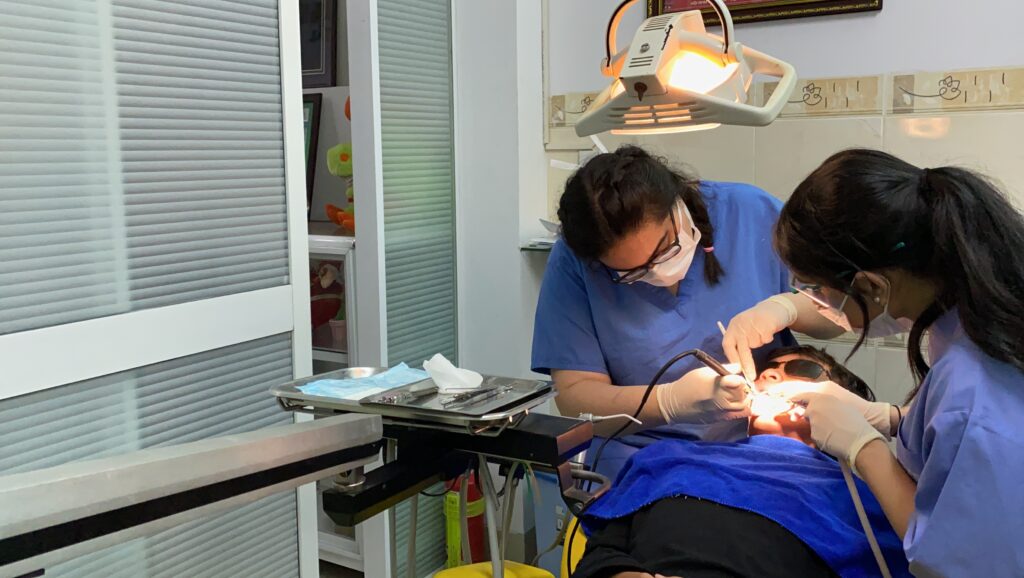
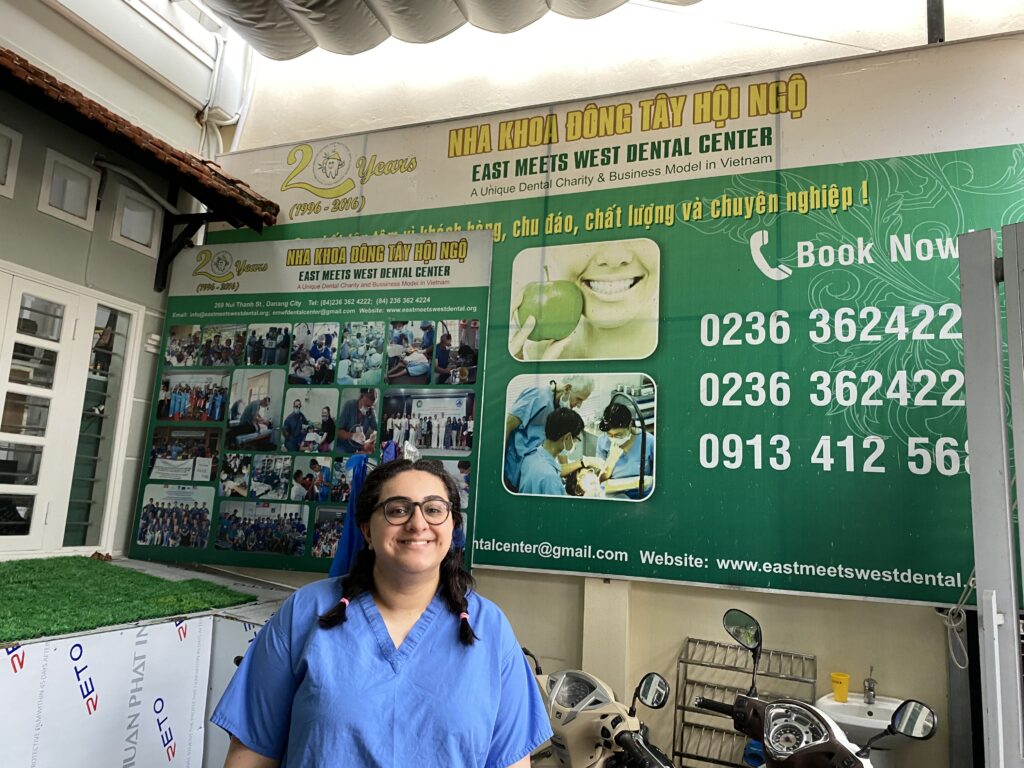
Ridah Hasan, fourth year BDS student at the University of Sheffield, valued her recent elective in Vietnam and offers her advice on how to get the most out of your elective abroad.
I was lucky enough to go on my dental elective to Vietnam in February 2020. As soon as I got back, it was a matter of days before the UK was put under lockdown due to the COVID-19 pandemic. I’ve spent the last few months working on my elective project and reminiscing on my time away. I know it may be a while before we’re allowed to travel overseas again, but I wanted to put together a short guide on how to get the most out of your elective abroad and some tips I wish I knew before.
How to get the most out of your elective:
1. Start your planning early!
I found it really difficult planning my elective whilst having a full timetable at uni. Starting early is definitely something I would recommend as it gave me plenty of time to organise my elective and it also meant that I was getting flights and hotels for a lot cheaper than if I had booked closer to elective dates. Make to-do lists and make sure you remember important things like getting your travel vaccinations – especially because you usually need to get multiple jabs and they can be spaced out over 6-8 weeks.
2. Plan your elective budget
I had been saving up for my elective since my first year of university as I knew I wanted to take the opportunity in my fourth year. It’s important that you plan your finances beforehand so that you can decide on your elective location accordingly. I would also recommend researching bursaries and scholarships that are out there for students – your university’s finance team may be able to help with this. Instead, you may decide to do your elective in the UK, which will save you costs on travelling but many elective hosts in the UK also have an application fee.
3. Research your elective host well
The main reason you are on your elective is for the Dentistry, it’s not just a long holiday! It’s tempting to base your trip on places you want to see but it’s so important that you research your elective host properly. For me, it was important that I got to treat patients whilst away as I wanted to experience delivering treatment in an unfamiliar and challenging environment. I was lucky that I found an elective centre that allowed students to get involved but there are some out there that only let you observe.
4. Make a well-thought out itinerary
Making an itinerary helped me visit all the places I wanted to see whilst away, and it also helped me budget my money. I knew exactly where I was going on each day and could roughly plan my expenses depending on entry costs to certain tourist attractions. I never felt lost or overwhelmed which is common when travelling and trying to make the most of your time away. I also sent a copy of my final itinerary to my family so that they knew where I would be each day.
5. Learn some useful phrases in the language spoken in your elective country
As soon as I landed in Vietnam, I had no internet but had to ask for directions to the taxi stand outside the airport. I was so happy that I had jotted down some useful phrases! Communication when treating patients is essential so learning some phrases or even how to count helps with this. It also shows that you’ve made an effort and are trying to get the most out of this opportunity. During breaks at my elective centre, we would practise counting to 20 so that we could count out loud when we were waiting for the acid etch or light cure.
I hope you found these tips useful – don’t forget to take lots of pictures and videos whilst you’re out there and have a brilliant elective! Good luck and stay safe!
Author bio
I am currently a year 4 BDS student at the University of Sheffield. During my time at university, I have discovered a particular interest in Restorative Dentistry and Oral Medicine. I hope to pursue my interest in this field following qualification, by applying for hospital jobs and attending related events and conferences.
In my free time, I enjoy reading film magazines and contributing to film blogs. I also run a food blog on social media and enjoy trying new dishes, which I review on my page and sometimes attempt to recreate.
I am also learning sign language, and am a member of my university’s sign language society.
Ridah Hasan
This student advice blog was originally published by FGDP(UK) in July 2020 and has been republished by the College of General Dentistry with the author’s permission.
Aavan K Matharu, fourth year BDS student, Trinity College Dublin, shares her advice on writing an effective and meaningful clinical reflection.
As we treat patients in dental school, we begin the process of learning, growing, and understanding the importance of patient management and care. This process comprises of a unique experience, specific to each patient and individual, and essentially contributes to the development of a clinician. One of the most important things to keep in mind after assessing patients and completing their treatment is a reflection, of which many of us must complete for our portfolios during dental school.
Carrying out a good clinical reflection becomes one of the many skills that are integral to the ongoing growth throughout one’s professional career. To help you understand the purpose of a reflection and how they are written, here are a few pointers I have put together to help you ace your portfolio or even help you deliberate on your clinical experiences.
What is the purpose of a reflection?
The main idea behind a reflection is to understand what you did for the patient, why it was relevant, and what successes and challenges you had along the way. Each reflection is unique not only from a patient standpoint but also from a clinician’s perspective, and its importance lies in what you took away from the experience as a whole. When reflecting, think about how you felt during the procedure (was it stressful, was it rewarding), what you achieved, and what you struggled with or would change for next time. Giving yourself this opportunity allows you to better yourself, learn from your experiences, and overall, progress holistically as a growing clinical practitioner.
Choosing a Model
Reflections can be structured using various types of models such as the DIEP model or the O’Driscoll model (what, so what, and now what). Most dental schools recommend these templates as it gives a reader/writer a simple, but well-rounded idea around what the reflection entails. As a student or clinician, the best way to choose a model is to select the one that best resonates with you and your thinking/writing style. This will help to guide your thought process while keeping your reflections on track and avoiding long, unnecessary essays.
Avoid Explaining the Treatment
When writing a reflection, do not explain the entire treatment provided to the patient. Feel free to summarize the diagnosis and the treatment provided but do not describe how you performed the root canal, prepared a tooth for a crown prep, etc. Instead, explain how you had difficulties and successes while doing these procedures and how the procedures made you problem solve as a clinician. For example, if you completed a restoration, reflect on certain experiences (such as if the patient was nervous or had a limited mouth opening) and ask yourself questions like: – How did you problem-solve? – How did you communicate? – Was there anything you did to make the patient more comfortable? – What could you have done that could have made the experience better for you and the patient?… and so on.
Make it Bespoke
Some patients come with many challenges whereas others are simple and straightforward. One thing all your patients have in common is that they are all helping you grow as a clinician. So, when reflecting/writing about each experience, be unique and genuine in the way you critique how each patient tested you and helped you flourish. No two patients are the same, and the way you treat patients, communicate with them, and take care of them will always be slightly different.
I hope these tips are useful to you during your portfolio write-up. Keep in mind that a reflection is all about how and why you did what you did but also what you could have done better from all aspects of the treatment. All the best!
Author bio
“I am a fourth-year dental student presently attending Trinity College Dublin. Over the past three years, I have developed a keen interest in Endodontics and Restorative Dentistry. With one year of dental school remaining, I would love to be able to expand my knowledge in regards to what these fields offer by performing research with specialists and attending relevant conferences.
Apart from dentistry, I enjoy drawing/sketching and immersing myself in astronomy and cosmology. I also adore traveling and visiting multiple countries within four different continents has given me the opportunity to appreciate new cultures, food, and languages.”
Aavan K Matharu
This student advice blog was originally published by FGDP(UK) in June 2021 and has been republished by the College of General Dentistry with the author’s permission.
Shona Sawhney, fifth year BDS student, Barts and the London, explains how she has been studying for her degree whilst managing a chronic illnessand shares her advice for anyone in a similar situation.
In my third year of dental school when my clinical experience was just beginning, I began to notice changes in my health. Over a period of 3 months, extreme fatigue and stiffness slowly progressed to severe joint pain. Not only was I struggling with exams and passing gateways, but even my day-to-day routine outside of university.
The potential impact of my symptoms became apparent when I was told by a specialist, “You really need to think about another career.” I was devastated but this reaction from others would come to be the norm. I had worked exceptionally hard to gain my place at dental school, and through a chronic illness over which I had no control, I felt my future plans slowly slip away.
Dentistry is an ever-changing profession, and whilst this can be exciting, it can also be incredibly stressful. For this reason, I always tried to ensure I had an outlet to relieve that stress, this was mainly through exercise. However, as my condition worsened, I struggled to maintain these outlets, I felt I had no way to relieve the stress I was under.
When starting 4th year, I had been beaten by the suggestions of a “career change,” and that “dentistry isn’t for you anymore.” I accepted that I would be unable to do what my peers were doing. The thought of me completing my crowns gateway test that I had yet to sit, was almost laughable. I can honestly say that I have never felt more alone.
Every time I entered the clinic, I would inform the tutors of my condition, which I found particularly hard. This is not what I wanted to be known for or defined by and feared I would yet again be told this profession is not for me. I was genuinely quite shocked when I was asked by a tutor in clinics one day, “What can we do to help you?”. I almost cried, I felt like an outsider to the profession for a long time, and I finally felt heard and listened to.
This highlighted to me the importance of accessibility in dentistry, not just for our patients but also dental professionals. When seeking advice from a number of tutors and staff, I saw how the simplest of changes made a drastic impact on not only how I felt physically after clinics but also mentally too. For example, seeing oral surgery patients exclusively in the afternoon rather than the morning meant that my body and mind were prepared if I was required to perform an extraction. To quote the incredible Mohamed Jemni, I noticed that “The disability is not the problem, the accessibility is the problem.” (Jemni, 2013).
In hindsight, I now see just how hard I was being on myself. Initially, when my health condition deteriorated, I would force myself to do things even if I knew that my body was not physically up to performing the actions. And if I could not carry out the task, I got mad and angry at myself. It was a perpetual self-destructive cycle. Learning to celebrate the small victories and being kinder to myself has helped me manage my conditions, instead of belittling myself, and saying “you must pass this,” I instead say, “I am proud of you for trying your best.”
I was often told that dentistry was not for me due to my condition, and this is not true in the slightest. There is a place for those with chronic illnesses to be key members of the dental community. My advice to those in a similar circumstance is to give yourself the same kindness you would give to others in your situation and do not be embarrassed to speak out and ask for help or adjustments to make dentistry more accessible. Lastly, to never give up on your aspirations despite what others may say, because to have a disability does not mean you miss ability; with the right support and adjustments, anything is attainable.
Jemni, M., 2013. Breaking The Silence Of Deafness.
Shona was a speaker at the Disability Awareness in Dentistry webinar, organised following a shared commitment by the CGDent, FGDP and BDA to promote equality, diversity and inclusivity in the profession. A free recording of the webinar is availableto CGDent members and ProDental subscribers and comes with one hour’s CPD (a £20 fee applies for non-members/non-subscribers).
Author bio
I am currently in my final year of Dentistry at Barts and the London. Within dental school I have enjoyed seeing patients from all different walks of life. I really enjoy talking to patients about their dental anxieties and building their confidence to visit the dentist regularly and improve their oral health, which has given me a future interest in community dentistry!
Outside of university life I run an Instagram page (@shocreates) to highlight my digital art related to chronic illness, and advocate for disability within dentistry. I also love to work out and try different cuisines around the world!
Shona Sawhney
This student advice blog was originally published by FGDP(UK) in April 2021 and has been republished by the College of General Dentistry with the author’s permission.
Katie Huane, fifth year BDS Student, University of Manchester, passes on her top tips for making the most of your time during self-isolation and keeping up with your peers.
In the run-up to the lockdown 2.0, my biggest worry was gym closures meaning I’d be back to jumping around doing HIIT workouts in my front room with my heaviest dumbbell weighing a measly 1.5kg. Little did I know I would be stuck in my house for the next 12 days, unable to go for walks outdoors, get a take-away Pret hot chocolate and worst of all, miss critical clinical time at the Dental Hospital.
When I first got the notification from the NHS Track and Trace app, I was stunned. I racked my brain tirelessly to understand how and where I could’ve contacted someone with Coronavirus. Still to this day, I have no idea.
In the coming week, I had planned an acrylic denture delivery, a crown fit, an oral surgery clinical skills session (practising raising flaps on pig heads!) and my DFT Situational Judgement Exam – a heavy week to say the least.
I was initially frustrated at the prospect of missing all of these things and was worried about what it would mean for my progression as a dental student – getting sufficient patient contact on clinics is always a concern, especially as patients fear the hospital in the current climate.
Having contacted the dental school regarding my isolation, I had to tackle the next task of how to sit my SJT exam from home (which would otherwise be sat at a Pearson Vue test centre). I had to fill out a reasonable adjustment form and hope for the best.
Luckily I had two days until I was due to sit the exam. This exam was set to determine my rank out of all the graduating dentists in the UK and hence the place I would live and practice for my Dental Foundation Training for a whole year. It could be on my doorstep (Manchester) or it could be as far as the Isle of Man (no pressure).
After a string of emails to and from the test centre, a software issue, a borrowed laptop and a full bookcase covered in plain-white bed sheets, I sat my 2.15pm SJT exam from home.
It’s a long wait until we get the results (June 2021), so in the meantime I will be focusing on other aspects of Dental School, my fitness and most importantly…Christmas!
Below I have outlined some tips for other dental students struggling with self-isolation and how to have a productive fortnight indoors.
Top tips for self-isolation
1. Mindset is key
Overall, lockdown has been smooth-sailing for me and I believe I owe it to my positive attitude. Some things I told myself repeatedly were:
• You’ll be drilling and filling for the rest of your life – don’t panic over a couple of clinic sessions missed. • These things happen for a reason, whether it’s to rest and recover or that you didn’t do enough baking and DIY in the first lockdown. • 2 weeks off Uni doesn’t mean you won’t graduate! • You’ll look back at this period of your life when you are working a full time job and wish you made the most of the chance to stay in bed on frosty mornings!
2. Keep yourself busy
Some things that have kept me occupied include:
• Webinars (some of my top picks are the Dentinal Tubules Webinar series for dental students, Dentinet Student webinars, and Finlay Sutton’s denture series on YouTube). • Writing/getting published – this is just one way you can enhance their professional profile as a dental student and pass some time during your isolation period. • Entering undergraduate essay competitions. • Practice your manual dexterity in other ways – painting, carving teeth made from wax, etc. • Catch up on lectures. • Keep up-to-date with important documents on COVID-19 in dentistry to keep yourself and others safe.
3. Avoid social media
FOMO = Fear Of Missing Out. Throughout my isolation period, I’ve consciously put my phone away which not only makes me much more productive, but it also makes me feel 100x better for doing it too. You gain NOTHING from seeing your dental school peers on clinic treating patients and doing all the things you should be doing. Easier said than done but make sure you are limiting time spent on Instagram, Facebook and all other social media platforms.
4. Get moving
Nothing sets me up for a more productive day than a workout at 8am and quick stretch after. Not only does it boost my mood but getting out of your desk chair does wonders for your back!
5. Routine
Keeping a consistent morning and bedtime routine is key. Wake up, workout and eat breakfast all before you turn your phone on in the morning. Get in bed nice and early that evening, read a book and sleep. Repeat.
Normality feels like a distant memory but I can’t wait to get back to the dental school to see some familiar faces, both patients and peers…5 days and counting!
Author bio
I’m currently a final year dental student at the University of Manchester. Over the past couple of years at dental school, I have discovered a particular interest in Paediatrics and Oral Surgery. I am also President of the Dentman Global Oral Health Forum, a volunteering society committed to providing oral care globally as well as within the local community.
Outside of dentistry, I love experiencing new cultures and have an Instagram page dedicated to travel as well as university life (@flightsandfillings). I was lucky enough to spend two consecutive summers in New York working on a children’s summer camp as a swimming teacher.
I’m also into fitness, and if I’m not in the dental hospital, you can probably find me in the gym!
Katie Huane
This student advice blog was originally published by FGDP(UK) in November 2020 and has been republished by the College of General Dentistry with the author’s permission.
We use cookies on our website to give you the most relevant experience by remembering your preferences and repeat visits. By clicking “Accept”, you consent to the use of ALL the cookies.
This website uses cookies to improve your experience while you navigate through the website. Out of these, the cookies that are categorized as necessary are stored on your browser as they are essential for the working of basic functionalities of the website. We also use third-party cookies that help us analyze and understand how you use this website. These cookies will be stored in your browser only with your consent. You also have the option to opt-out of these cookies. But opting out of some of these cookies may affect your browsing experience.
Necessary cookies are absolutely essential for the website to function properly. These cookies ensure basic functionalities and security features of the website, anonymously.
Cookie
Duration
Description
cookielawinfo-checbox-analytics
11 months
This cookie is set by GDPR Cookie Consent plugin. The cookie is used to store the user consent for the cookies in the category "Analytics".
cookielawinfo-checbox-functional
11 months
The cookie is set by GDPR cookie consent to record the user consent for the cookies in the category "Functional".
cookielawinfo-checbox-others
11 months
This cookie is set by GDPR Cookie Consent plugin. The cookie is used to store the user consent for the cookies in the category "Other.
cookielawinfo-checkbox-advertisement
1 year
The cookie is set by GDPR cookie consent to record the user consent for the cookies in the category "Advertisement".
cookielawinfo-checkbox-necessary
11 months
This cookie is set by GDPR Cookie Consent plugin. The cookies is used to store the user consent for the cookies in the category "Necessary".
cookielawinfo-checkbox-performance
11 months
This cookie is set by GDPR Cookie Consent plugin. The cookie is used to store the user consent for the cookies in the category "Performance".
PHPSESSID
session
This cookie is native to PHP applications. The cookie is used to store and identify a users' unique session ID for the purpose of managing user session on the website. The cookie is a session cookies and is deleted when all the browser windows are closed.
viewed_cookie_policy
11 months
The cookie is set by the GDPR Cookie Consent plugin and is used to store whether or not user has consented to the use of cookies. It does not store any personal data.
wordpress_test_cookie
session
This cookie is used to check if the cookies are enabled on the users' browser.
Functional cookies help to perform certain functionalities like sharing the content of the website on social media platforms, collect feedbacks, and other third-party features.
Performance cookies are used to understand and analyze the key performance indexes of the website which helps in delivering a better user experience for the visitors.
Analytical cookies are used to understand how visitors interact with the website. These cookies help provide information on metrics the number of visitors, bounce rate, traffic source, etc.
Advertisement cookies are used to provide visitors with relevant ads and marketing campaigns. These cookies track visitors across websites and collect information to provide customized ads.