Infection Prevention and Control – Learning from Covid-19 & AMR
26 & 27 April 2022, National Conference Centre, Birmingham
This year, the NHS Infection Prevention and Control Conference takes place over two days and explored the lessons learnt from the COVID-19 pandemic and the important issues of antimicrobial resistance and Gram-Negative bloodstream infections.
Topics examined during the conference included outbreak management, improving hand hygiene (and auditing procedures), and decontamination/cleaning protocols. Speakers discussed the theme of infection prevention, review current control standards and celebrate best practice.
The accompanying exhibition will showcase the latest innovation and technology available globally.
Professor Paul Batchelor FCGDent, Associate and Dental Group Chair at the Centre for Sustainable Healthcare, explores the issue of sustainability in dentistry and what practices can do to support it.
Introduction
While sustainability has entered the lexicon of everyday language, its precise meaning and the key issues surrounding it can appear vague. Without this understanding of meaning trying to address issues becomes almost impossible. This blog attempts to overcome the lack of clarity by providing a definition to sustainability and how the dental sector can potentially make a contribution to what is becoming one of the most critical issues of our time. The blog is divided into two main sections: the meaning of sustainability and the contribution that the dental system could make.
What is meant by sustainability?
In broad terms, sustainability refers to the actions taken to ensure that the activities of the current generation in meeting their needs have no, or minimal, impact on the environment. The key document influencing current policy on sustainability was published by the Brundtland Commission titled “Our Common Future”1. The report recognised three pillars to sustainability: the environment, the economy and society. For the environmental pillar the underlying philosophy was underpinned by a need to reduce the current human consumption of natural resources to a level at which they could be replenished. The economic pillar, referred to the ability of communities to maintain their independence, not least to secure sources of livelihood and the third pillar, social sustainability, meant access to resources to keep their community and society healthy and secure.
The United Nations, as part of its role in sustainability, established a knowledge hub to provide guidance on sustainable development issues, one of which centres on health2. Although high level, the material presented covers a wide range of activities highlighting how individuals and agencies can help and engage in the challenges. Indeed, FDI World Dental Federation (FDI) issued a statement on sustainability in the dental sector with policy recommendations including:
The prevention of oral diseases and the promotion of health should be recognized as the most sustainable way to ensure optimal, accessible and affordable oral health with minimal impact on the environment.
The dentist as leader of the dental team should take steps to educate all of the dental team on sustainability practices and simultaneously reinforce that the safety of the patient and the quality of care provided should always be the team’s primary concern3.
This work has been taken forward and the FDI will be publishing a consensus statement in the next month or so on the major challenges facing the oral health care sector and the opportunities to deliver sustainable oral health care.
How can the dental system contribute?
Dental care delivery is provided in the vast majority, through a series of small businesses. However, the actual dental ecosystem is far wider. The day-to-day running of a dental practice requires energy, materials and transport to name but three items. Each of these businesses can make a contribution through initiatives that help create a sustainable environment in a logical process similar to those found in a business plan. The first step is to understand the impact that the business is having: how much waste is the business creating, issues such as energy usage within a practice, the use of materials and their packaging. A good example of this is the work by Duane et al. (2017)4 .
Following on from understanding the issues, opportunities for addressing the problems need to be identified and while no two dental practices are ever the same, potential solutions would have common themes. For example, are there opportunities for using (more) sustainable materials? How might energy usage be both reduced or more reliant on renewable sources? Are there ways to explore how patients use services and do opportunities for health promotion programmes exist at differing sites as opposed to one-to-one interventions?
The dental professions can make a contribution to sustainability both within their professional roles but also as individuals. Sustainability is not simply about the environmental aspects; it also involves the economic and societal aspects. A number of these lie outside of the control of the profession but Government can make contributions, perhaps not least with appropriate contract reform. To tackle these and other issues, including how covid-19 has impacted and what lessons are being learnt, the College is running a webinar on 28 February at 7pm ( Sustainability in Dentistry and Healthcare – watch recording here). For individuals with an interest, the Centre for Sustainable Healthcare also runs a programme on some of the key issues and how it relates to dental care (https://sustainablehealthcare.org.uk/courses/sustainable-dentistry).
Summary
Sustainability has grown in importance with the recognition of the negative impact that uncontrolled economic growth is having on the planet, the negative consequences of which would be felt not just by present generations but those of the future.
All societies have now recognised the importance of managing the environment to help address the negative consequences of unchecked growth but also how developments in the economy and society can also contribute. Provision of health care, including oral health care, is a fundamental right and Government needs to work with the profession to ensure that care arrangements are developed in a manner which is coterminous with sustainable goals.
Each individual dental care worker can contribute to helping achieve the sustainability goals both through their professional roles and as individuals on a day-to-day basis. While such contributions may appear to be small or even insignificant, together they will make a major contribution to a better world not just for the present but also the future.
References
Report of the World Commission on Environment and Development: Our Common Future. The Brundtland Commission. United Nations.(1987) Available at: http://www.un-documents.net/our-common-future.pdf (Accessed 20 February 2022).
Duane B, Lee MB, White S, Stancliffe R, Steinbach I. An estimated carbon footprint of NHS primary dental care within England. How can dentistry be more environmentally sustainable? Br. Dent. J., 223 (2017), pp. 589-593. Available at: https://www.nature.com/articles/sj.bdj.2017.839 (Accessed 20 February 2022).
Further resources
For a range of online resources on sustainable dentistry including practical advice on how to reduce your practice’s impact on the environment, visit our environmental sustainability in dentistry page.
Professor Paul Batchelor FCGDent will be delivering a CGDent lecture on Sustainability in Dentistry and Healthcare on Friday 6 October 2023, 9:15-10:00, at Dentistry Show London.
The CGDent webinar on Sustainability in Dentistry and Healthcare, took place on Monday 28 February 2022 – watch the recorded webinar here. Our on-demand webinars are free to view for CGDent members and are available to non-members for a small fee.
The College of General Dentistry has broadened its eligibility criteria for membership, enabling suitably qualified non-registrants to join, and offering practitioners with relevant non-dental qualifications the ability to progress to higher grades of membership.
Registration with the General Dental Council or an equivalent overseas authority is normally required for entry as an Associate Member. However former registrants, and those who hold a relevant qualification but may not be required to register with the GDC due to their job role – such as dental academics – are now eligible to join.
Those wishing to join as Full Members (MCGDent), or upgrade to Full Membership, have until now been required, in addition to meeting the requirements for Associate Membership, to hold either the DGDP, MJDF, MFGDP(UK), MFDS or a Postgraduate Certificate level qualification in a ‘relevant dental subject’. However Full Membership is now also open to those whose qualification is in a ‘subject relevant to the enhancement of oral healthcare’.
Those wishing to join at, or upgrade to, Associate Fellowship (AssocFCGDent), have up to this point needed to hold the MGDS, a Specialty Membership of a UK dental faculty, or a Postgraduate Diploma level or Masters level qualification in a dental subject. However, this recently-instituted membership grade, which offers a stepping stone to Fellowship, is similarly now available to those whose qualification is relevant to oral heath rather than being strictly ‘dental’ in scope.
Individuals qualifying under these extended criteria would then be eligible to apply for Fellowship (FCGDent) on the same basis as all other members of the College. This is currently open to existing Fellows of a UK Royal College or overseas equivalent, with a Fellowship by Experience route expected to be announced soon.
The changes are further to earlier departures from the eligibility criteria of the former Faculty of General Dental Practice, from which the College evolved – most notably the ability of Dental Hygienists, Dental Therapists, Dental Nurses, Dental Technicians and Clinical Dental Technicians to apply for membership at all grades, and for Practice Managers and other non-clinical members of the dental team to join as Affiliate Members.
“Among the key aims behind the establishment of The College of General Dentistry were the promotion of both dental and oral health, and to create a new type of college, breaking down barriers which are unnecessarily prescriptive and exclusionary, and replacing them with an inclusive approach fit for the 21st century.
“We are implementing this step by step, and are already a College open to all members of the dental team, formed of practitioners across the UK and beyond, and bridging the NHS/private divide.
“These latest changes offer recognition to a wide range of individuals and professional roles whose contribution to the advancement of general dental practice and oral healthcare is hugely significant, and we look forward to welcoming them into membership, and to bringing their significant knowledge, expertise and experience to bear in the fulfilment of our mission.”
Elections will soon be held for seven seats on the Council of the College of General Dentistry, and eligible members are encouraged to consider standing.
The Council is elected by College members to provide leadership and support for the dental professions, and to guide the College Trustees in fulfilling the College’s mission.
It includes representation based both on geographical region and professional role.
Members of the Council serve three-year terms, and elections will shortly take place for the following seats:
Yorkshire and Northern
Central London
Wessex & Oxford
East of Scotland
West & North of Scotland
Overseas representative
National representative
Those elected would be expected to serve from June 2022 – June 2025, and would then be able to stand for re-election. Further seats will be due for election in 2023 and 2024.
Council members are expected to attend three face-to-face meetings each year, which normally take place on a Friday morning in June, October and February, as well as regular online meetings outside of business hours. Those elected this year will be formally inducted at the Council meeting on Friday 24 June in Cardiff.
Members of the Council may serve up to three elected terms (i.e. nine years), and are eligible to stand in the annual election of two Vice Presidents, and the triennial election of a College President.
All Full Members, Associate Fellows and Fellows of the College, regardless of their dental team role, are eligible to nominate themselves as candidates for election to Council.
Candidates for regional seats must live or work within that region, and be registered with that region with CGDent.
Candidates for the National seat must live or work in the UK, and have a registered UK address with CGDent.
Candidates for the Overseas seat must practice dentistry wholly outside the UK, and have a registered overseas address with CGDent.
Associate Members wishing to nominate themselves for election will need to have successfully completed an upgrade to Full Membership before submitting an application.
An online application process, accompanied by a full description of the role, will be published no later than Friday 18 March 2022, and the deadline for submission of applications will be no earlier than Friday 15 April.
A full election timetable will be published in due course; please return to this page over the coming weeks for updates.
The CGDent UK regions map (above) can be downloaded here. Prospective candidates unsure of their CGDent region should contact us here.
This webinar is part of our ‘PDJ Live’ series, which examines topics covered in contemporary issues of the Primary Dental Journal, the College of General Dentistry’s quarterly peer-reviewed member journal for the whole dental team. It brings together the authors of the research article ‘IADT 2020 Guidelines: What should the dental professional know?‘ from the December 2021 issue on Paediatric Dentistry, who explore the latest guidance on managing traumatic dental injuries.
The recorded webinar is free to view for CGDent members and ProDental subscribers who can also can claim CPD hours for free. A £20 fee will apply for non-members/non-subscribers.
The International Association of Dental Traumatology (IADT) released updated guidelines for the management of traumatic dental injuries in 2020. All dentists must be able to diagnose and appropriately manage traumatic dental injuries. This webinar aims to highlight the main changes brought about by these evidence-based guidelines to ensure that dentists are able to assess, treat and review these injuries effectively, maximising the short and long-term outcomes for our patients.
Speakers discuss:
The main changes to the management of dental trauma brought about by the 2020 International Association of Dental Traumatology guidelines
The methods for assessing and treating traumatic dental injuries in both the primary and permanent dentition
Appropriate follow-up protocols for patients with dental trauma
Speakers:
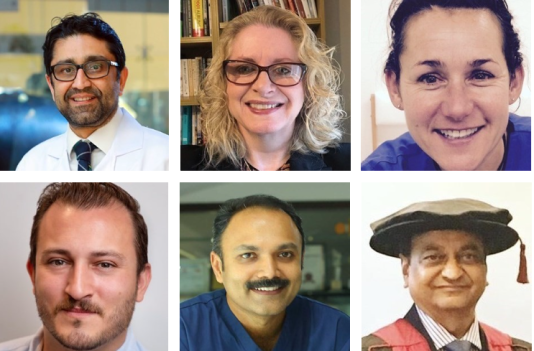
Reuben Bennett, DCT2 working in Oral & Maxillofacial Surgery and Oral Medicine
Yi Loo, Registrar in Paediatric Dentistry at King’s College Hospital, London
Nabeel Ilyas, Specialist in Paediatric Dentistry, Registrar in Birmingham Community NHS trust and Birmingham Children’s Hospital
Membership of the College of General Dentistry is open to all registered dental professionals. Membership for dentists is available from £94, and for other registered dental professionals from £33. The full list of CGDent membership rates is at https://cgdent.uk/membership-fees/.
The College of General Dentistry has announced that it is offering dental students access to a leading dental e-learning package.
Students who enrol as members of the new College now have access to a growing library of over 350 online training courses and webinar recordings, as well as regular live seminars, through the ProDental platform. ProDental CPD is the UK’s largest independent provider of dental e-learning, serving over 30,000 users with live and on-demand content on their desktop, tablet and mobile devices.
Since its establishment last year as the successor to the Faculty of General Dental Practice, the College has been co-producing webinars with ProDental on subjects of interest to the general dental team, including the College’s guidance and standards publications, the themes explored in its quarterly Primary Dental Journal (PDJ), and events to support its emerging Career Pathways programme for dental professionals.
To date, the College has offered access to these – as well as to ProDental’s 900 hours of additional content, GDC-compliant CPD certification of all learning undertaken, and a bespoke online personal development planning tool (e-PDP) – to its Associate Members, Full Members, Associate Fellows and Fellows from across the dental team.
This access is now available to Student Members of the College. All those undertaking dental education and training in the UK prior to registration are eligible to join the College as Student Members, and a one-off fee of £10 gives membership until the completion of their pre-registration study.
Student Members also get free or discounted access to CGDent events and study days, regular news and events listings from the College, and online access to the PDJ and PDJ Archive, a rich resource of over 1,300 clinical and professional articles from a journal uniquely dedicated to general dental practice.
Dr Abhi Pal, President of the College of General Dentistry, said:
“One of the College’s key missions is to support dental professionals at all stages to progress in their careers. Our new offer for dental students will complement undergraduate studies while also enabling them to look beyond dental school and arrive armed and ready to succeed in the next phase of their professional lives.”
Leading oral health and mental health professionals are calling for greater consideration of the oral health needs of patients with severe mental illness.
The new Right to Smile consensus statement notes that compared to the general population, people experiencing severe mental ill health are less likely to brush their teeth, less likely to access dental services, more likely to have decayed, missing and filled teeth, more likely to lose all of their teeth, more likely to experience gum and supporting bone problems, and are at risk of acute non-psychiatric hospital admission due to tooth decay.
Asserting that there can be no mental health without physical health, and no physical health without oral health, the statement says the oral health inequality for people with severe mental illness is made worse by a lack of effective interventions.
To help close the gap, the authors are calling for improved access to dental services for people with severe mental ill health; greater recognition of their oral health needs in healthcare training, systems and structures; and consideration of oral health in any physical health assessment of a patient with severe mental illness.
Severe mental illnesses are those which can significantly impair someone’s functional activity, and include among others psychosis, schizophrenia, severe depression and bipolar disorder.
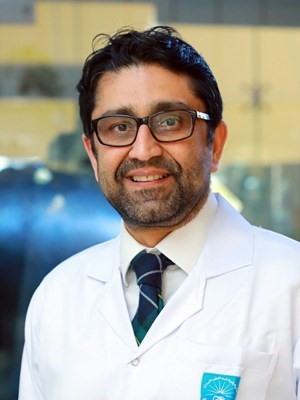
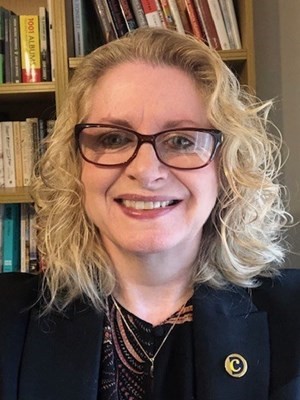
Developed by 20 contributors including Vishal Aggarwal FCGDent and Wendy Thompson MCGDent, the statement is jointly published by nine universities, three NHS trusts, the Office of the Chief Dental Officer for England and Australia’s Mindgardens Neuroscience Network.
It is endorsed by the College of General Dentistry, Personalised Care Institute, British Society of Special Care Dentistry, Oral Health Foundation, World Dental Federation and International Centre for Oral Health Inequalities Research & Policy, as well as a number of mental health organisations including the Royal College of Psychiatrists and International Early Psychosis Association.
Update: a blog about this issue, The Right to Smile, which describes how those in general dental practice can contribute to improved oral health outcomes for those with severe mental illness, was published in June 2023.
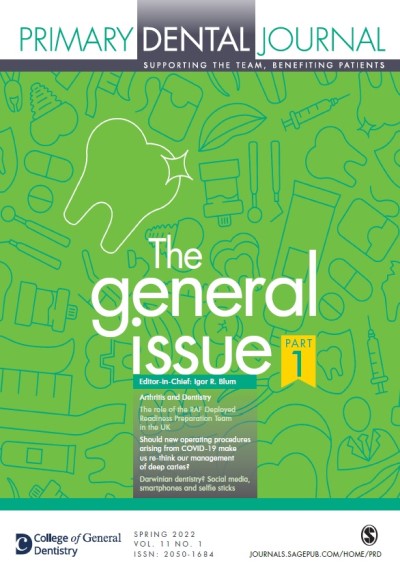
The new edition of the Primary Dental Journal, Paediatric Dentistry, is now online.
Guest edited by Dr Sanjeev Sood of King’s College London, this issue is dedicated to promoting oral health in children, and outlines strategies for prevention and contemporary management of dental disease in childhood.
It features papers on communicating effectively in a paediatric setting, the dental management of children with haemophilia, and minimally invasive treatments for dentine caries in primary teeth.
Research abstracts: Paediatric dentistry (Ario Santini)
Management of patients with poor prognosis first permanent molars beyond ‘ideal’ timing (Laura Warrilow, Sheridan McDonald)
Parental views on minimally invasive dentistry versus general anaesthesia extractions of children’s compromised first permanent molars: an exploratory qualitative study (Mona Agel, Sasha Scambler, Marie Therese Hosey)
When less is more: minimally invasive, evidence-based treatments for dentine caries in primary teeth – the Hall Technique and silver diamine fluoride (Waraf Al-Yaseen, Nassar Seifo, Shannu Bhatia, Nicola Innes)
An update on the dental management of children with Haemophilia (Ruixiang Yee, Monty S Duggal, Vivian Yung Yee Wong, Joyce Ching Mei Lam)
Replacement resorption in children: the root of all evil? (Laura Warrilow, Tanika Gohil, Abdullah Casaus)
‘Childrenese’: a pilot survey on the choice of language in a paediatric dental setting (Mairead Hennigan, Alice Hamilton, Antoniella Busuttil-Naudi)
Dental bleaching: ‘now I can smile for my selfies’ – paediatric patients’ perspectives (Nabeel Ilyas, Sophie Marshall, Meera Ahluwalia)
As well as the current issue of Primary Dental Journal, CGDent members have free access to the PDJ archive, a rich resource containing over 1,300 informative articles on topics of ongoing relevance to general dental care.
Featuring clinical articles, editorials and updates from the College, the Primary Dental Journal is widely recognised as a leading resource for GDPs and DCPs working in primary care. CGDent membership includes free access to the PDJ, both online and in print – find out more about becoming a member.
CGDent members and PDJ subscribers should expect their printed copies to arrive in the next 2-3 weeks.
Ian Mills has become the first ever recipient of the prestigious College Medal, the highest honour bestowed by the College of General Dentistry (CGDent).
Ian Mills FCGDent
Reserved to no more than one recipient per year, the College Medal succeeds the Faculty Medal, which was previously awarded by the Faculty of General Dental Practice UK (FGDP) to just four individuals. It is conferred for exceptional service of the dental profession and its patients in a manner aligned with the values and mission of the College, and both members and non-members are eligible for consideration.
Dr Mills has received the award in recognition of his considerable contributions to the profession over many years, including through the College and previously the Faculty, in particular his exemplary leadership at the height of the coronavirus pandemic, his pivotal roles in establishing the CGDent and securing the FGDP’s transfer into it last year, and his promotion of greater equality, diversity and inclusion in the dental professions.
Ian qualified as a dentist from Glasgow University in 1987 and spent the early part of his career working in maxillofacial surgery. In 1994 he moved to Devon, and three years later set up Torrington Dental Practice in North Devon, now an eight-surgery mixed NHS-and-private practice, where he continues to work as a partner.
He joined the Faculty the same year, and after completing its prestigious Diploma in Implant Dentistry, gaining Fellowship and becoming a Fellowship Assessor, was elected to the National Faculty Board to represent the South West region. He was later appointed Chair of the Examinations Committee and the Faculty’s representative on the Care Quality Commission Dental Reference Group, and served as Junior Vice Dean from 2016-17 and Senior Vice Dean from 2017-18 before being elected FGDP’s tenth Dean, a post he held from 2018-2021.
During his tenure he represented the profession on a number of committees and working groups, including NHS England’s Advisory Board for Dental Systems Reform, the Joint Committee for Postgraduate Training in Dentistry, the Intercollegiate Advisory Committee on Sedation in Dentistry, the Council of the Scottish Intercollegiate Guidelines Network and the Public Health England group overseeing the development of the fourth edition of Delivering Better Oral Health.
In his first annual speech as Dean, he highlighted the inequality of opportunities for career progression within dentistry, noting in particular the disproportionate number of men in leadership roles relative to the gender balance in the profession, and he later instituted the FGDP-CGDent Equality, Diversity and Inclusion Programme Board.
Early in the pandemic, Ian established a forward planning task group to try to find a way for dental practices to re-open their doors as soon as safely possible. Convening individuals from over 30 organisations to develop suitable guidance, he played a key role in its development, working tirelessly to seek consensus on the many challenges of delivering dental services while minimising the risks of transmission. Completed within the space of just four weeks, Implications of COVID-19 for the safe management of general dental practice was published a week before face-to-face practice resumed in England, giving practices much needed time to prepare when no official re-opening guidance had yet been published. With its in-built responsiveness to varying COVID-19 alert levels, the guidance has remained accessible and relevant over the last 18 months.
Continuously supporting the profession through the pandemic, he led numerous webinars, joined the NHS England working group on the resilience of mixed dental practices, was part of the Scottish Dental Clinical Effectiveness Programme’s AGP Rapid Review Group, facilitated revised guidance on fallow time and steered the development of the Fallow Time Calculator.
Prior to his Deanship, he was an elected member of the British Dental Association’s General Dental Practice Committee, a member of Devon Local Dental Committee, and on the Professional Executive Committee of North Devon Primary Care Trust.
In addition to his clinical practice, Ian has worked at Peninsula Dental School since it was established and has remained closely involved in the undergraduate programme. Currently Associate Professor in Primary Care Dentistry, he was previously a clinical supervisor, group facilitator and honorary lecturer. Actively involved in promoting and developing research in primary dental care, with particular interests in measuring quality outcomes, person-centred care and environmental sustainability, in 2018 he was awarded a PhD for research into person-centred care in general dental practice.
He is an Ambassador, Founder, Fellow and former Trustee of the College of General Dentistry, and has been instrumental in the establishment and progression of its Career Pathways programme. A Fellow of the International College of Dentists, the Higher Education Academy and the Faculty of Dental Surgery of the Royal College of Physicians and Surgeons of Glasgow, he is a former Trustee of the Royal College of Surgeons of England.
We use cookies on our website to give you the most relevant experience by remembering your preferences and repeat visits. By clicking “Accept”, you consent to the use of ALL the cookies.
This website uses cookies to improve your experience while you navigate through the website. Out of these, the cookies that are categorized as necessary are stored on your browser as they are essential for the working of basic functionalities of the website. We also use third-party cookies that help us analyze and understand how you use this website. These cookies will be stored in your browser only with your consent. You also have the option to opt-out of these cookies. But opting out of some of these cookies may affect your browsing experience.
Necessary cookies are absolutely essential for the website to function properly. These cookies ensure basic functionalities and security features of the website, anonymously.
Cookie
Duration
Description
cookielawinfo-checbox-analytics
11 months
This cookie is set by GDPR Cookie Consent plugin. The cookie is used to store the user consent for the cookies in the category "Analytics".
cookielawinfo-checbox-functional
11 months
The cookie is set by GDPR cookie consent to record the user consent for the cookies in the category "Functional".
cookielawinfo-checbox-others
11 months
This cookie is set by GDPR Cookie Consent plugin. The cookie is used to store the user consent for the cookies in the category "Other.
cookielawinfo-checkbox-advertisement
1 year
The cookie is set by GDPR cookie consent to record the user consent for the cookies in the category "Advertisement".
cookielawinfo-checkbox-necessary
11 months
This cookie is set by GDPR Cookie Consent plugin. The cookies is used to store the user consent for the cookies in the category "Necessary".
cookielawinfo-checkbox-performance
11 months
This cookie is set by GDPR Cookie Consent plugin. The cookie is used to store the user consent for the cookies in the category "Performance".
PHPSESSID
session
This cookie is native to PHP applications. The cookie is used to store and identify a users' unique session ID for the purpose of managing user session on the website. The cookie is a session cookies and is deleted when all the browser windows are closed.
viewed_cookie_policy
11 months
The cookie is set by the GDPR Cookie Consent plugin and is used to store whether or not user has consented to the use of cookies. It does not store any personal data.
wordpress_test_cookie
session
This cookie is used to check if the cookies are enabled on the users' browser.
Functional cookies help to perform certain functionalities like sharing the content of the website on social media platforms, collect feedbacks, and other third-party features.
Performance cookies are used to understand and analyze the key performance indexes of the website which helps in delivering a better user experience for the visitors.
Analytical cookies are used to understand how visitors interact with the website. These cookies help provide information on metrics the number of visitors, bounce rate, traffic source, etc.
Advertisement cookies are used to provide visitors with relevant ads and marketing campaigns. These cookies track visitors across websites and collect information to provide customized ads.