The College of General Dentistry and British Association of Dental Nurses (BADN) are warning of a potential catastrophe for dental patients if the planned implementation of mandatory COVID-19 vaccinations for all patient-facing staff in England is not deferred.
Regulations came into effect earlier this month that will make it unlawful from 1 April 2022 for a CQC-regulated employer to deploy staff who are not fully vaccinated to work face-to-face with patients. The rules, which will apply to NHS and private providers alike, will effectively force dental practices to dismiss staff who have not received their first dose of an approved coronavirus vaccine by 3 February, and second dose by 31 March, unless they are clinically exempt, under 18, taking part in a COVID vaccine trial or can be redeployed into a non-patient-facing role.
Both the College and BADN are unequivocal in their encouragement of dental professionals to take up the offer of coronavirus vaccination. However, interim results from the BADN COVID Vaccination Survey, based on the responses of over 1,000 practising dental nurses to date, show that 26% have not yet received two vaccination doses, and 24% will not have been double-vaccinated by the deadline.
Responses to date are similar for both members and non-members of the association. If the findings are representative of the dental nursing profession as a whole – which makes up half the dental workforce – this would suggest an impending reduction in available dental staff in England of up to 12,000, or 12%, plus any dentists, dental therapists, dental hygienists, clinical dental technicians or orthodontic therapists who may not be double-vaccinated.
The survey also found that 32% of respondents so far said they do not intend to take up the offer of a ‘booster’ dose, suggesting that staffing problems will only increase if the definition of ‘fully vaccinated’ is later amended to require three doses.
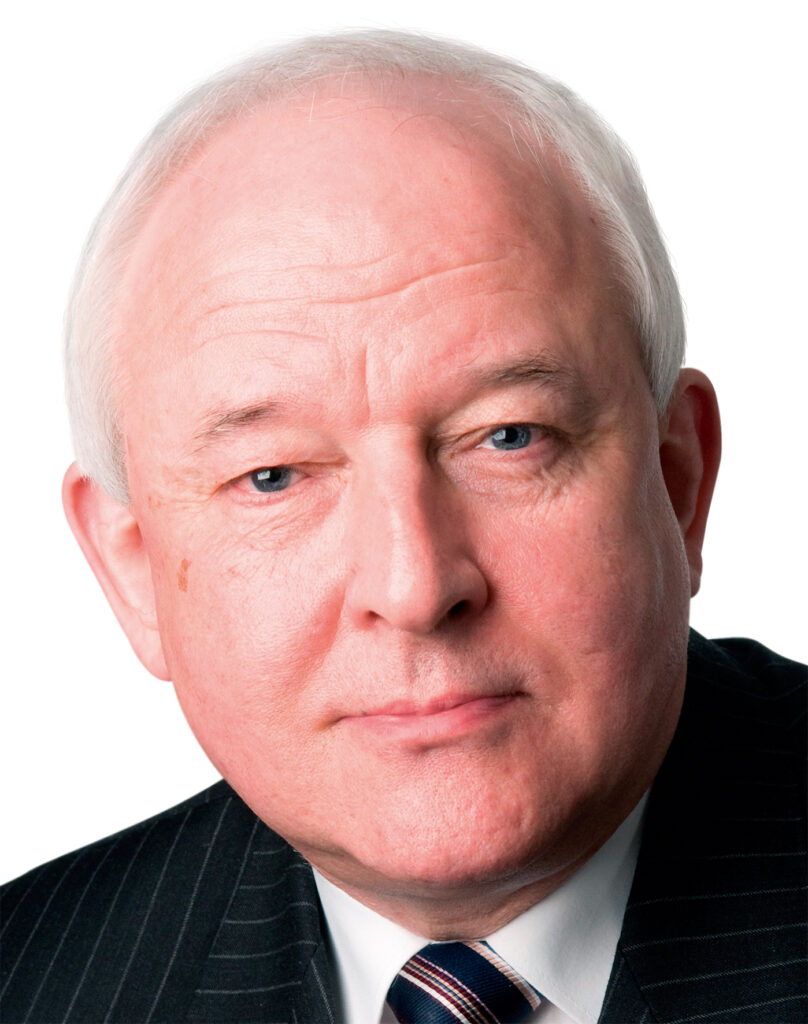
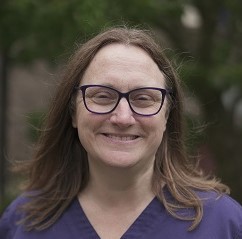
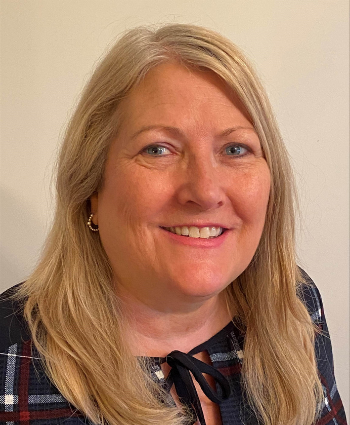
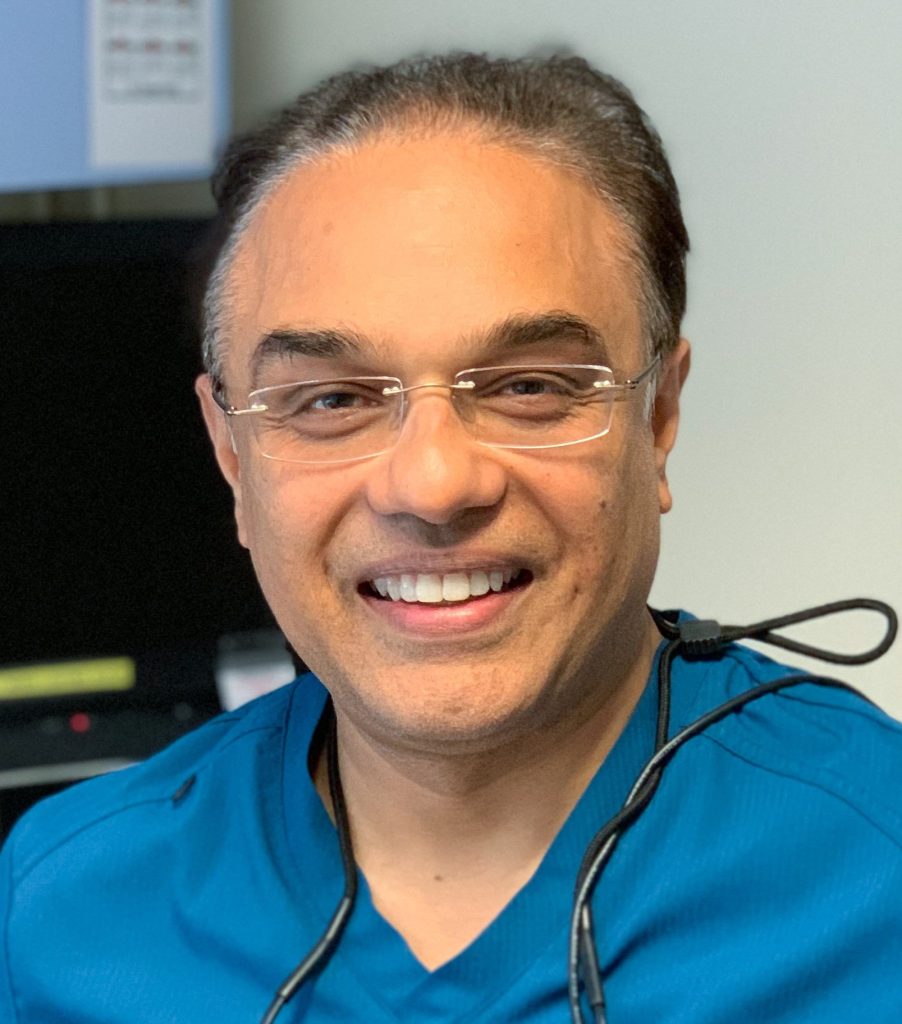
Dr Abhi Pal, President of the College of General Dentistry, and Jacqui Elsden, President of the British Association of Dental Nurses and an Associate Member of the College, said:
“Dental nurses are a vital part of the team without whom dental care cannot be delivered, and the BADN’s data will only strengthen existing concerns in practices across the country.
“Tens of millions of dental appointments have been missed during the pandemic, but while welcome additional funding has just been announced by NHS England to help tackle the backlog during February and March, losing up to a quarter of dental nurses from 1 April would lead to a precipitous reduction in care provision, quickly reversing any progress made and leaving millions of dental patients once again unable to get the treatment they need. We urge the government to defer implementation of the vaccination requirement for dental employers in order to avert a calamitous own goal.”
Tonight at 7pm, a week ahead of the deadline to take up the first vaccination dose, the College is hosting Vaccination: your questions answered.
Free for all dental professionals to watch live, speakers include Professor Jason Leitch, (Senior Clinical Advisor to the Scottish Government, CGDent Ambassador and regular explainer of all matters COVID in the broadcast media), and Sarah Buxton (HR and Employment Solicitor and legal advisor to the Association of Dental Administrators and Managers and the British Society of Dental Hygiene and Therapy). Register here
Commenting on the announcement that an additional £50m of funding will be provided for NHS dentistry in England over the next ten weeks, Dr Abhi Pal, President of the College of General Dentistry, said:
“New funding for dentistry is to be welcomed, and today’s announcement will provide short-term help to a significant number of people who have struggled to get their oral health needs met during the pandemic, especially children and patients with autism, learning difficulties and severe mental illness.
“However, it is important that longer term underfunding and recruitment problems are also addressed, and the NHS dental contract reformed, as even before the pandemic only half of adults in England were able to access NHS dental care. The College will also be supporting workforce retention through its Career Pathways programme.”
CGDent members and ProDental subscribers have free access to the recorded webinar and can claim CPD hours for free. A £20 fee will apply for non-members/non-subscribers who wish to claim CPD.
In conjunction with the Central Sterilising Club, this webinar examines how we can promote sustainability in dentistry and healthcare, addressing issues such as disposable single use items and the efficacy of decontamination and reuse on site. The current disposal of items across healthcare is not sustainable and we need to change our practices to ensure that reuse and reduce are the principles to reduce waste. Yet, there are other considerations including infection control, the ongoing risk to patients as well procurement and transport to and from our places of work.
This webinar sets out to investigate the effect of healthcare on climate change and how nurses can adopt more sustainable nursing practices. We examine how improving sustainability through reusable PPE can reduce the pressure and costs on the NHS and improve the planet, and consider how embedding sustainability within a dental practice can support and advocate change in dentistry.
Speakers:
John Prendergast, Senior Decontamination Engineer at NHS Wales Shared Services Partnership/Specialist Estates Services
Ian Mills FCGDent, former Dean FGDP(UK) and a Trustee of CGDent
Abhi Pal FCGDent, President of CGDent
Rose Gallagher MBE, Professional Lead Infection Prevention and Control at Royal College of Nursing
Alexis Percival, Environmental and Sustainability Manager, Yorkshire Ambulance Service NHS Trust
Brett Duane, Associate Professor in Dental Public Health, Trinity College, Dublin
Dr Jimmy Walker, Independent Microbiological and Decontamination Consultant
Membership of the College of General Dentistry is open to all registered dental professionals. Membership for dentists is available from £94, and for other registered dental professionals from £33. The full list of CGDent membership rates is at https://cgdent.uk/membership-fees/.
Hosted by CGDent North Thames Region Wednesday 23 February 2022, 7pm.
with Dr James Martin BDS, podcast host of Dentists who Invest
James discussed his journey in Dentistry including the path to entrepreneurship and how he is empowering the profession to self develop, encourage leadership, professional development and awareness.
The Aims
1. Teaching dental professionals how they can use methods in the digital age to excel in their career.
2. Educating dental professionals on the importance of finance management.
3. Helping dental professionals understand social media professional development.
4. Allowing dental professionals to overcome the psychological barriers that may be holding them back.
Presentation followed by Q & A.
Delegates were invited to email questions in advance of the webinar .
London-based Dental Hygienist, Frances Robinson AssocFCGDent, has volunteered overseas for several years, providing oral health care in communities where it is much needed. Here she shares some of her experiences and offers advice for anyone interested in getting involved.
It might not be everyone’s idea of “time off”, but I’ve never spoken to anyone who regretted the volunteering they’ve done, whether giving a talk on good oral hygiene in a school assembly or an extended trip abroad with an overseas charity.
As highly trained dental professionals, there are so many ways we can give back to both our local communities and the wider global community. We have a huge skill set that prepares us for volunteering, even without using our clinical skills. Communication, professionalism, working in a fast paced, ever-changing environment, are all key skills needed for working in outreach settings, with dental charities and in overseas communities. Furthermore, dental professionals are registered health professionals with moral standards to uphold and appropriate safeguarding certifications – all conducive to humanitarian work.
Clinical skills are a recognisable asset for any volunteer within the health sector. Dental professionals can offer their skills as part of an emergency relief campaign: in humanitarian crisis; in conflict zones; after natural disasters; or in refugee settings. Overseas volunteers are often needed to increase the capacity of local health facilities, as well as training and up-skilling local health workers.
I have volunteered with dental charities in the UK and abroad for several years and have gained much as a dental professional. I was newly graduated when I first volunteered which really threw me in at the deep end, but my experiences helped me become a more prepared, flexible and innovative clinician, as well as being a more culturally-aware team member.
I first volunteered for Dentaid in 2016 when Itravelled with the charity to Nepal, and then later to Cambodia in 2017. Dentaid has worked in more than 70 countries providing safe dental treatment in poor and remote communities. They support dentists around the world by providing equipment, running oral health programmes and sending teams of volunteer dental professionals to help reach more patients and support local charities.
Conducting fluoride applications in Cambodia with Dentaid
I had only been qualified a year when I took part in Dentaid’s inaugural trip to Nepal. In some areas we were able to help communities with much needed extractions for patients who were in pain and simple restorations and fluoride applications for those we could. We used very simple equipment, often with no reliable electricity, sometimes working outside.
An outreach clinic in a school in Cambodia
On one of our clinical days, we travelled by bus for three hours, then in a 4×4 for two hours and finally walked for one hour to set up a clinic in a remote school in the foothills of the Himalayas. I was shocked having travelled so far to see the children consuming excessive amounts of sugary drinks and sweets. The subsequent decay rates were astronomical. We set up preventative dental clinics in the rural schools on classroom chairs and tables. I came across a similar situation when I took the opportunity to travel with Dentaid to Cambodia. These transformative experiences became a catalyst for me to go on to study a Masters in Dental Public Health.
Extensive dental caries in an 11-year-old patientExtensive subgingival deposits and associated gingivitis
At the start of the pandemic, I began volunteering in fundraising and logistics for dental charity Dental Mavericks, who work in Lebanon, Morocco and Greece. In September 2021, I travelled to Greece as the first Dental Maverick to support a new partner charity to help support the dental clinic with dental volunteers in the Kara Tepe 2 refugee camp in Lesvos. I worked clinically, seeing my own patients and assisting other dental professionals. I also helped the charity’s founder and the clinical coordinators devise more effective data collection methods, restructuring their research to better attract funders, new clinicians and other support.
Treating a patient in a clinic in the Kara Tepe 2 refugee camp, Lesvos, with Dental Mavericks
Dental Mavericks focuses on promoting oral hygiene education and practice, making dental care accessible to vulnerable populations, including refugees. Their priority is to address the root causes of dental disease and take people out of dental pain. They provide emergency appointments, routine and preventative dentistry. They are hoping to help the Greek charity they support to expand the preventative aspect in the future. I am currently leading on a collaboration between Dental Mavericks and the British Association of Dental Nurses to support humanitarian workforce training.
Working abroad is an amazing way to see areas of the world that you wouldn’t otherwise visit. Interaction with patients that may have travelled many hours to see you is humbling in a way that is indescribable. But there are also many other ways that dental professionals can volunteer their time and skills. If you’re considering volunteering, it’s advisable to carefully consider how much time you are willing to give and what type of work you want to do, before committing to any voluntary opportunities.
Children and young people
Connecting with a local school to give assemblies and classes on toothbrushing and dietary advice may be a suitable option and can tie in with a preventative dentistry programme. Toothbrushing programmes in early years settings are recommended by NICE (1) and PHE (2); the effectiveness of these programmes for reducing tooth decay in early years settings and schools has been well established. There is scope for dental professionals to support their local settings with the set up and provision of these schemes. Designed to Smile in Wales and Child Smile in Scotland have been implemented with much success.
Care homes
A critical but often overlooked area of volunteering is supporting older people. Care home residents suffer a disproportionate amount of dental decay. Evidence shows significant differences between ‘institutionalised’ and community dwelling older people, with those in care having fewer teeth and significantly higher levels of dental decay (3), which has ramifications for an individual’s systemic health. Dental practices could consider collaborating with their local care home by helping to provide triaging advice for carers and oral hygiene advice for staff.
Outreach clinics
There are many ways a dental professional can volunteer with an organised charity too. As well as providing dental care in remote communities abroad, the dental charity Dentaid runs clinics out of its mobile units all over England. They focus on vulnerable communities, for example the homeless, refugees living in the UK, residents in socially deprived areas and those unable to access care.
Another avenue for dental professionals seeking opportunities to volunteer is to reach out to non-dental-specific charities like homeless charities or charities for specific health conditions, and offer to help up-skill carers or other volunteers in dental health and hygiene.
Working overseas
There are many organised groups that offer voluntary opportunities overseas. It’s important to conduct thorough research into an organisation before committing to them. They should provide help that is culturally relevant, includes the local community, is empowering for its beneficiaries and looks to build a sustainable local workforce, where possible.
As well as Dentaid and Dental Mavericks that I have already referred to, other organisations that provide dental support overseas include Mercy Ships and Médecins Sans Frontières.
Mercy ships is a faith-based international development organisation that deploys hospital ships to some of the poorest countries in the world, delivering vital, free healthcare to people in desperate need. They accept all members of the dental team and can focus on more complex treatments due to their on-board facilities.
Médecins Sans Frontières (MSF) provides medical assistance to people affected by conflict, epidemics, disasters, or exclusion from healthcare. This well-known organisation welcomes clinicians from most healthcare areas but has larger focus on medical care and sanitation.
If I could give any advice to dental professionals wanting to volunteer, it would be to do a little bit of research before you decide on what you want to do and where you want to go. Then throw yourself in!
“At the end of the day it’s not about what you have or even what you’ve accomplished…It’s about who you’ve lifted up, who you’ve made better. It’s about what you’ve given back.” Denzel Washington
NICE public health guidance 55 (2014). Oral health: approaches for local authorities and their partners to improve the oral health of their communities.
Steele, J. G., Sheiham, A., Marcenes, W., Fay, N. & Walls, A. W. Clinical and behavioural risk indicators for root caries in older people. Gerodontology 18, 95–101 (2001).
Frances Robinson chairs the Dental Hygiene & Dental Therapy Group on the College’s Career Pathways programme.
CGDent members and ProDental subscribers have free access to the recorded webinar and can claim CPD hours for free. A £20 fee will apply for non-members/non-subscribers who wish to claim CPD.
The first edition of the Guidance Notes for Dental Practitioners on the Safe Use of X-ray Equipment (the Dental GNs) was published in June 2001 following the establishment of a working party by the National Radiological Protection Board (NRPB) and copies of the guidance were distributed to every dental practice in the UK by the Department of Health.
In the 20-plus years since then there have been significant changes requiring further guidance to be developed. These include:
a move from film-based dental radiography towards digital imaging techniques,
the appearance of dental cone-beam CT and hand-held dental X-ray equipment in general dental practice,
revised radiation protection legislation.
Good practice guidelines for the dental profession have also moved with the times, with, for instance, evidence-based selection criteria and national diagnostic reference levels now available for all imaging modalities. A substantial amount of experience has also been accrued by those organisations and individuals providing radiation protection advice and services to dental practices.
The webinar aims to refresh and update viewers on:
the means of restricting the exposure of staff and patients as far as is reasonably practicable,
the principal requirements of relevant legislation, namely – The Ionising Radiations Regulations 2017, The Ionising Radiation (Medical Exposure) Regulations 2017and the associated guidance: Guidance Notes for Dental Practitioners on the Safe Use of X-Ray Equipment – 2nd Edition.
how to apply the basic principles of practical radiation protection in a dental practice.
Speaker:
Andrew Gulson, Specialist Radiation Protection Scientist and Certificated Radiation Protection Adviser
Membership of the College of General Dentistry is open to all registered dental professionals. Membership for dentists is available from £94, and for other registered dental professionals from £33. The full list of CGDent membership rates is at https://cgdent.uk/membership-fees/.
CGDent members and ProDental subscribers have free access to the recorded webinar and can claim CPD hours for free. A £20 fee will apply for non-members/non-subscribers who wish to claim CPD.
With the possibility of mandatory vaccination of health and care workers in both clinical and non-clinical roles in England, this webinar delivers a deeper understanding of the impact of vaccination, helping to retain a protected and thriving workforce and promote patient safety.
As much as we are able, we aim to allay and address the fears of those who are concerned about getting vaccinated, and set out to provide the information needed for an informed choice.
Speakers:
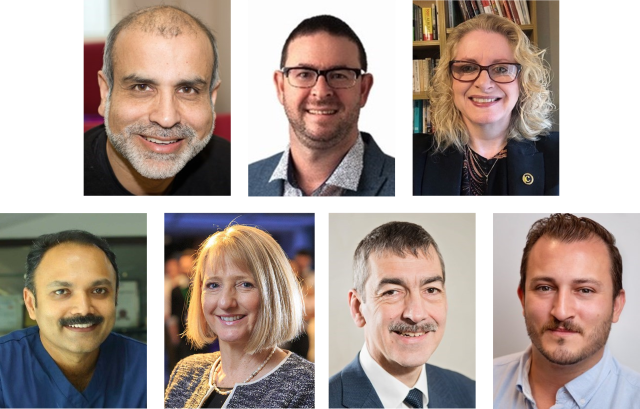
Prof Jason Leitch, Senior Clinical Advisor to the Scottish Government, member of the Health and Social Care Management Board and CGDent Ambassador
Sarah Buxton, HR and Employment Solicitor, legal advisor for ADAM (Associate of Dental Administrators and Managers), the BDSHT (British Dental Society of Hygienists and Therapists)
Diane Rochford, BSDHT President (2020-2022)
Tashfeen Kholasi MCGDent, Vice President CGDent
Heidi Cresswell, Finance Officer, Society of British Dental Nurses
Dr Stefan Serban, Honorary Clinical Lecturer and Specialist Registrar in Dental Public Health
Prof Stephen Reicher FBA FRSE, Professor of Psychology at University of St. Andrews, School of Psychology and Neuroscience
Membership of the College of General Dentistry is open to all registered dental professionals. Membership for dentists is available from £94, and for other registered dental professionals from £33. The full list of CGDent membership rates is at https://cgdent.uk/membership-fees/.
This informative, CPD webinar, open to all dental professionals, explored the many uses of dental clinical photography and sets out how the dental team can work together in a clinical setting, to produce effective dental photographs.
The presentation included an introduction to the equipment required, and how to maintain it. We discussed the importance of an efficient workflow between operator and assistant to ensure positive outcomes and explored how to critically appraise clinical photos effectively, closing with a Q&A session.
The College of General Dentistry is offering discounted membership fees to dental care professionals, all of whom are now eligible for Associate Membership.
Dental Hygienists, Dental Therapists, Dental Technicians and Clinical Dental Technicians pay only one-third fees for their first year’s membership, meaning those joining as Associate Members pay just £33.
In a pioneering move for a UK dental college, all registered dental professionals are able to apply for Full Membership (MCGDent) if they hold a relevant Postgraduate Certificate or an equivalent qualification, and Dental Hygienists, Dental Therapists, Dental Technicians and Clinical Dental Technicians doing so pay only £94 in their first year.
Those holding a relevant Postgraduate Diploma, Master’s degree or an equivalent qualification are eligible for Associate Fellowship (AssocFCGDent), a new ‘stepping stone’ to Fellowship, and dental team members joining at this grade will pay £117 initially.
The first year’s fee for dental care professionals joining as Fellows (FCGDent) – initially only those awarded an Honorary Fellowship by the College, or previously by the Faculty of General Dental Practice, a UK Royal College or equivalent – is £144.
Dental Nurses and Orthodontic Therapists receive the same two-thirds discounts, at all membership grades, on an ongoing basis.
Dental practice managers, and other non-clinical members of the dental team, can join the College as Affiliate Members for £50 per annum.
The Primary Dental Journal Archive is now up and running, with access for CGDent members fully established.
The Primary Dental Journal (PDJ) is the College of General Dentistry’s quarterly peer-reviewed journal, and with its unique dedication to general dental practice, is widely recognised as a leading resource for all dental professionals working in primary care.
Three themed issues in each annual volume explore topics of interest and relevance to the primary care dental team, led by an invited Guest Editor who is a renowned expert in the field, with one ‘general issue’ per volume covering a wide range of topics.
Published by the Faculty of General Dental Practice until its transfer into the College earlier this year, PDJ was first issued in October 2012, and was preceded by Primary Dental Care.
As well as receiving quarterly printed copies of the latest issues of PDJ, College members now have exclusive online access not only to the full articles in the current issue, but to all past PDJ content and all Primary Dental Care content published this century, a rich resource of over 1,300 articles spanning 23 volumes and 88 issues.
Curated by our publishing partner, SAGE Publishing, the PDJ Archive is an invaluable research tool, offering a wide array of clinical papers of ongoing relevance to general dental care, as well as articles covering a range of professional topics which continue to be discussed and debated.
It offers members access to content which they may not have received in print at the point of publication, and for those who were longstanding members of the FGDP and may prefer to consult their library of print issues, the online search functionality will enable them to quickly identify where to find particular articles.
Members may be interested to note that the College is now co-producing a series of webinars that examine topics covered in recent and imminent issues of PDJ. These are free to view live, with CGDent members also offered a free CPD certificate and free on-demand access to the recordings. Visit our events page for a list of upcoming live webinars and to access recent webinar recordings.
We use cookies on our website to give you the most relevant experience by remembering your preferences and repeat visits. By clicking “Accept”, you consent to the use of ALL the cookies.
This website uses cookies to improve your experience while you navigate through the website. Out of these, the cookies that are categorized as necessary are stored on your browser as they are essential for the working of basic functionalities of the website. We also use third-party cookies that help us analyze and understand how you use this website. These cookies will be stored in your browser only with your consent. You also have the option to opt-out of these cookies. But opting out of some of these cookies may affect your browsing experience.
Necessary cookies are absolutely essential for the website to function properly. These cookies ensure basic functionalities and security features of the website, anonymously.
Cookie
Duration
Description
cookielawinfo-checbox-analytics
11 months
This cookie is set by GDPR Cookie Consent plugin. The cookie is used to store the user consent for the cookies in the category "Analytics".
cookielawinfo-checbox-functional
11 months
The cookie is set by GDPR cookie consent to record the user consent for the cookies in the category "Functional".
cookielawinfo-checbox-others
11 months
This cookie is set by GDPR Cookie Consent plugin. The cookie is used to store the user consent for the cookies in the category "Other.
cookielawinfo-checkbox-advertisement
1 year
The cookie is set by GDPR cookie consent to record the user consent for the cookies in the category "Advertisement".
cookielawinfo-checkbox-necessary
11 months
This cookie is set by GDPR Cookie Consent plugin. The cookies is used to store the user consent for the cookies in the category "Necessary".
cookielawinfo-checkbox-performance
11 months
This cookie is set by GDPR Cookie Consent plugin. The cookie is used to store the user consent for the cookies in the category "Performance".
PHPSESSID
session
This cookie is native to PHP applications. The cookie is used to store and identify a users' unique session ID for the purpose of managing user session on the website. The cookie is a session cookies and is deleted when all the browser windows are closed.
viewed_cookie_policy
11 months
The cookie is set by the GDPR Cookie Consent plugin and is used to store whether or not user has consented to the use of cookies. It does not store any personal data.
wordpress_test_cookie
session
This cookie is used to check if the cookies are enabled on the users' browser.
Functional cookies help to perform certain functionalities like sharing the content of the website on social media platforms, collect feedbacks, and other third-party features.
Performance cookies are used to understand and analyze the key performance indexes of the website which helps in delivering a better user experience for the visitors.
Analytical cookies are used to understand how visitors interact with the website. These cookies help provide information on metrics the number of visitors, bounce rate, traffic source, etc.
Advertisement cookies are used to provide visitors with relevant ads and marketing campaigns. These cookies track visitors across websites and collect information to provide customized ads.