Face-to-face study days with colleagues again!

After the disruption caused by the COVID-19 pandemic over the last two years, the College was delighted to be able to connect with dental colleagues at two recent, major face-to-face study events in Gateshead and Glasgow. Valerie Silver, CGDent Northern, and Patricia Thomson, CGDent Scotland, describe the joy of getting back in touch with other dental professionals and updating clinical knowledge with some of the profession’s top experts.

No More Nails – a new look for Northern and dentures!

By Valerie Silver MCGDent, CGDent Northern

Although the Northern Study Day had been planned well in advance for 2020, we hadn’t anticipated that a pandemic would sweep in and stop the world in its tracks. We made the inevitable decision to cancel in 2020 but, following months of restrictions, knew there was a demand for face-to-face events in the North East and so – while the second (or was it the third?) wave broke in early 2021 – we began planning again. 

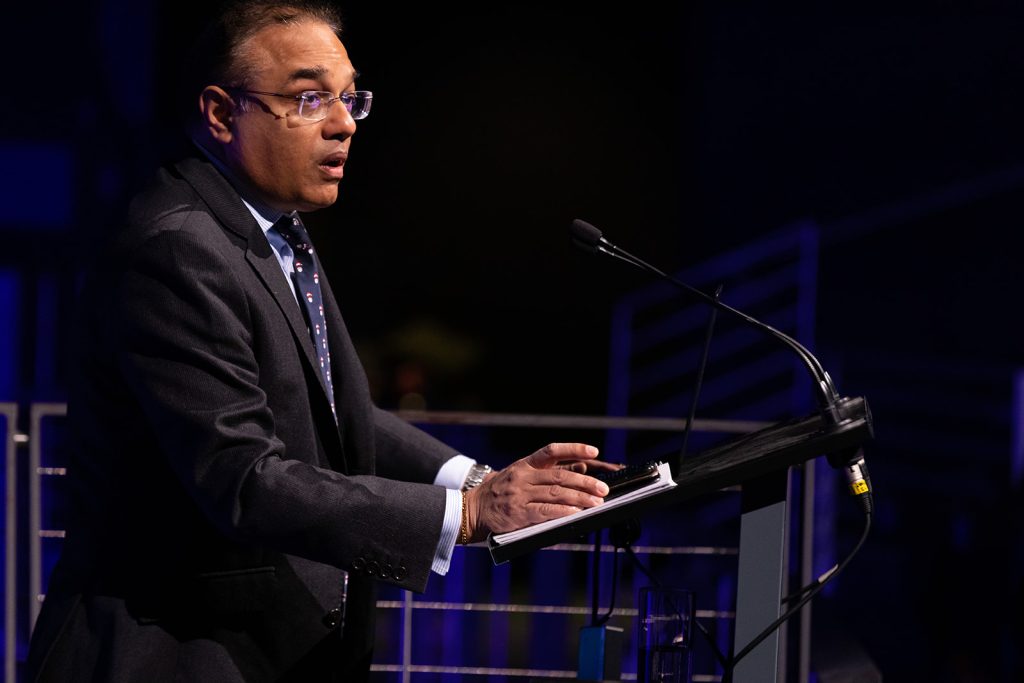
In July 2021, FGDP transferred to the new College of General Dentistry giving us the opportunity for a fresh start for the Study Day and we were delighted that Abhi Pal, the first elected President of the College, accepted our invitation to join us in his new role.

‘The whole day was fantastically run. So good to have face-to-face a CPD event. James Field is a brilliant speaker and I learnt loads about prosthodontics, a very complicated clinical thing to provide for patients but taught in a way that is relatable and constructive.’

Top prosthodontic tips from James Field

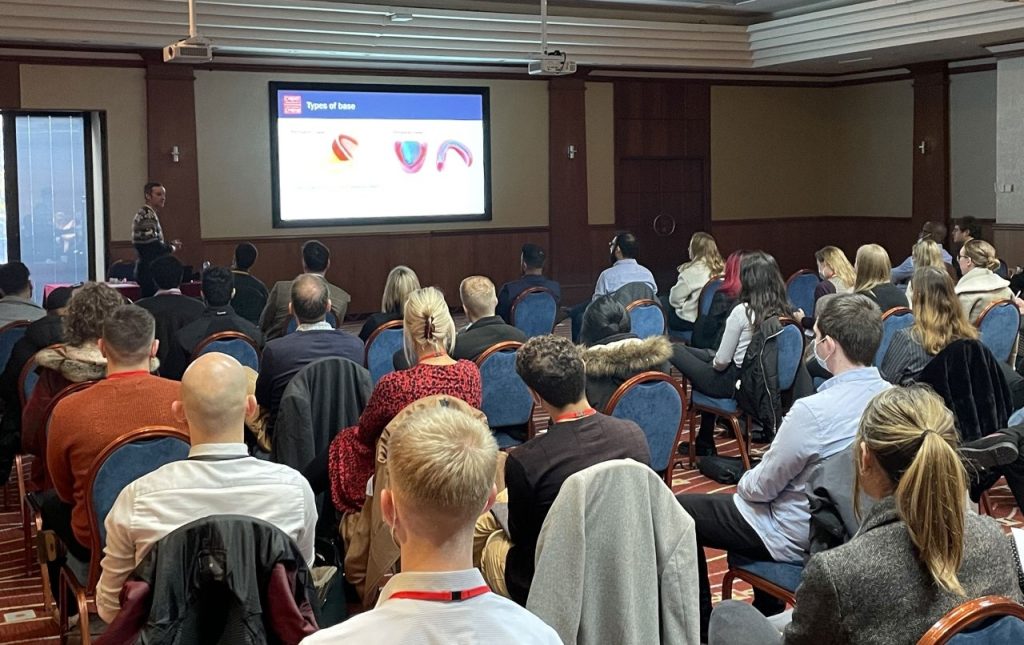
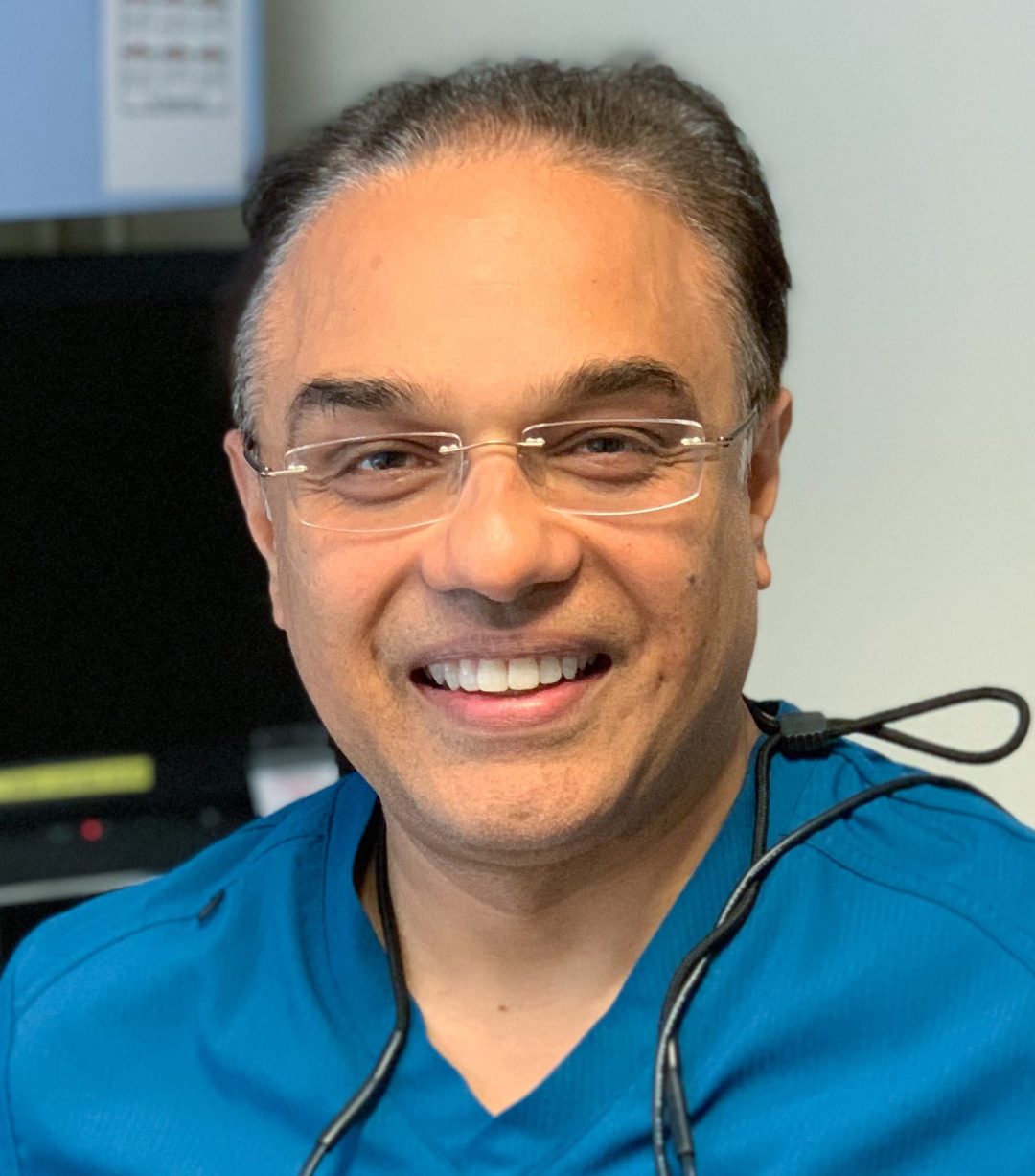
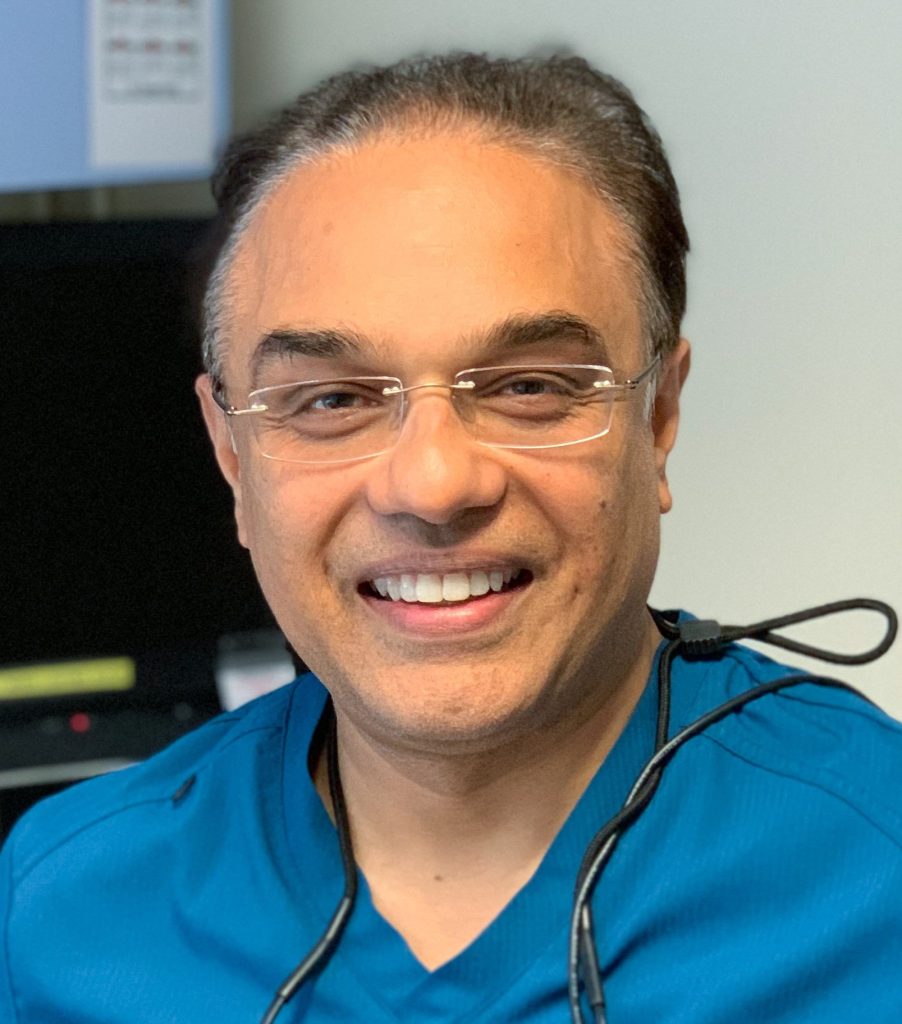
We were hugely grateful to welcome James Field, a Senior Lecturer in Restorative Dentistry and Honorary Consultant in Prosthodontics, back to the North East to share his knowledge with us. ‘No More Nails’ was jam-packed with prosthodontic tips and advice designed to ensure that denture patients will sing our praises for years to come!  

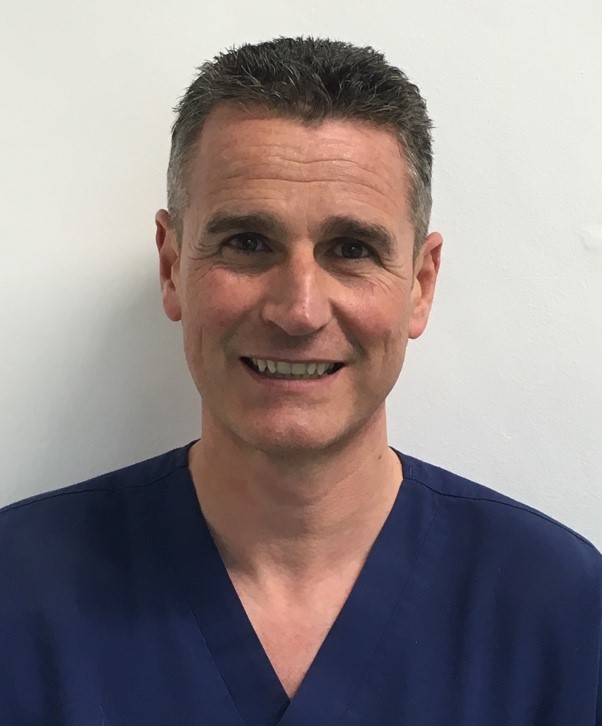
James Field

Top tips included invaluable information on the critical success factors for complete and removable dentures and how to implement techniques to achieve a strong border seal on the upper arch and optimally stable denture on the lower arch. He followed this by demonstrating simple and efficient methods for partial denture design and discussing the clinical stages of implant-supported over denture provision.

‘I thought the presentations by James were excellent. I definitely learned many tips and tricks over the day that I will implement into my clinical practice.’

Building communities 

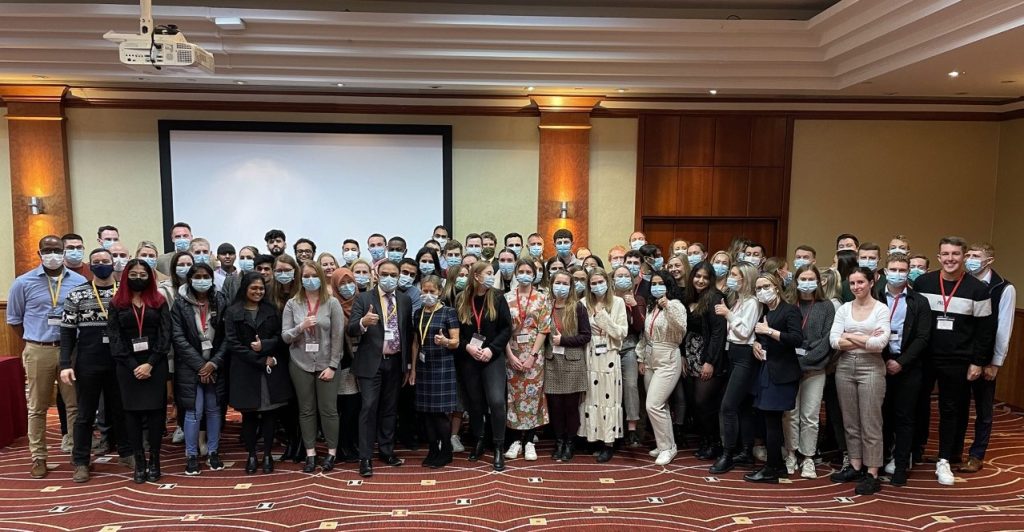
Despite the difficulties resulting from the pandemic, close to 100 colleagues and a core group of exhibitors and sponsors joined us at the Gateshead Marriott MetroCentre. Many of them were Foundation Dentists and we are delighted to have retained and strengthened our links with the Northern Deanery and Health Education England as it establishes our goal moving forward of engaging with the whole dental team with an emphasis on mentoring and supporting early years colleagues.

‘An excellent speaker and a very well run event. Will look forward to another one. I particularly liked the friendliness of the committee.’

With that in mind, we are towards becoming a CGDent Affiliated Group. We plan to run local events when and where they are needed and, in particular, provide support for young dentists in the North East.

If all goes to plan, we will hold an informal virtual event in late spring or early summer 2022, before organising our follow up Study Day in the autumn. This is provisionally being planned to focus on oral cancers and treatments, and colleagues from across the UK (and further afield) are most welcome to join us!


The biggest one-day dental event in Scotland returns – with a new name

by Patricia Thomson AssocFCGDent, West of Scotland General Dental Practitioner, founding member of CGDent Scotland and Council member of CGDent

As we are all too aware, when the world locked down in March 2020, opportunities to engage with colleagues became virtual with face-to-face events banished from the diary. But in mid 2021, with society benefiting from double (then triple) vaccination and a lifting of restrictions, large scale dental events began to make a return, including a highlight in the calendar, December’s Glasgow Study Day.

The Faculty Study Day, as so many of us knew it, was an institution – thousands of dental professionals having attended since its inception in 1992. It featured some of the legends of dentistry from Van Haywood and Gordon Christensen to Didier Dietschi and Serpil Djemal. Arguably the most social event in dentistry, it catered for 400 attendees and culminated in a drinks reception overlooking the Clyde.

Hosting the Study Day as a CGDent Affiliated Group

In the West of Scotland, we have formed a CGDent Affiliated Group, supporting the principles and ethos of the College. We hope the College’s Career Pathways for all dental professionals will provide many opportunities for mentoring and tuition to foster dental careers in Scotland. So, after our Covid-induced break in 2020, the Scotland Study Day was back with a new name, but with all of the popular elements intact.

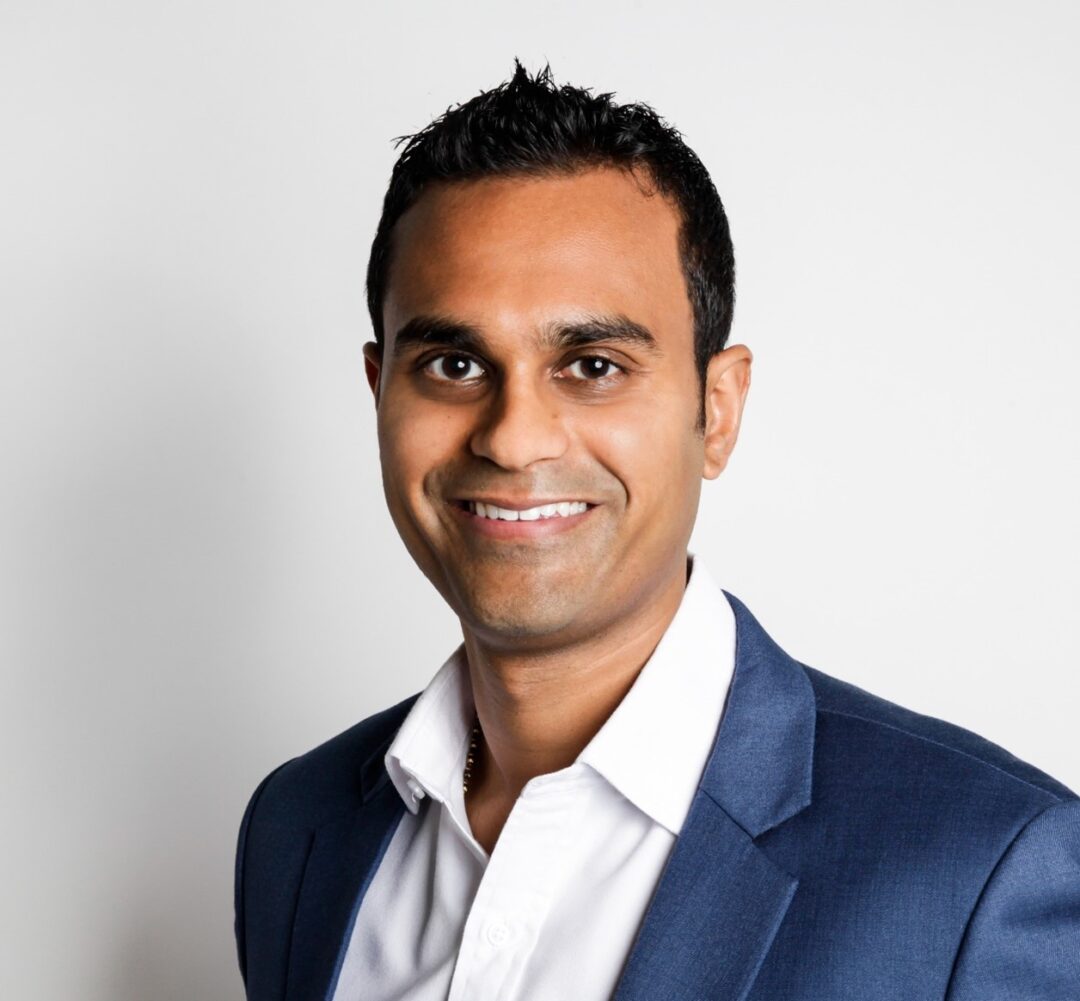
Abhi Pal, President CGDent

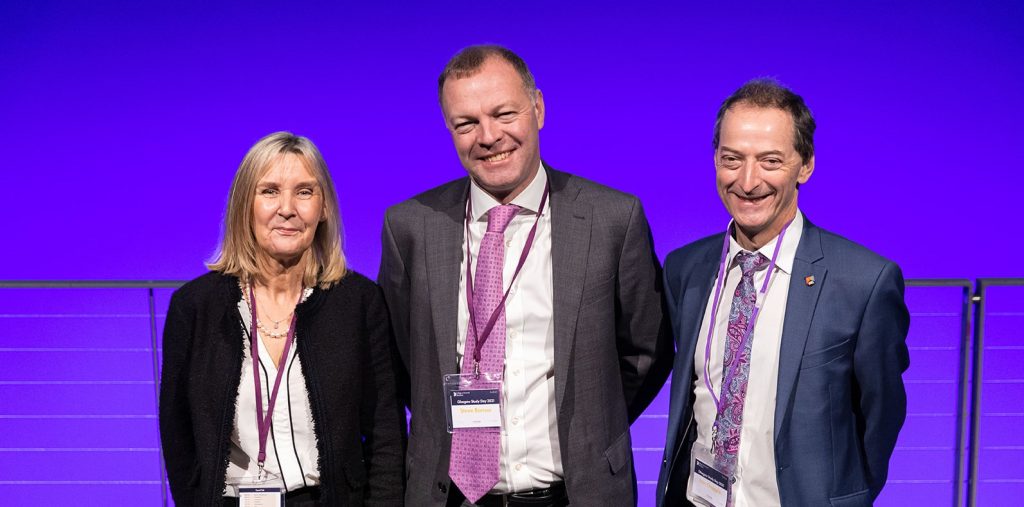
We marked our first meeting under the banner of CGDent by welcoming the first elected President of CGDent, Abhi Pal, and we were hugely grateful to our excellent speakers Iain Chapple, Carol Tait and Steve Bonsor for sharing their expertise. In particular, we were also thrilled to host the first major face-to-face dental meeting in Scotland since the start of the pandemic.

‘Brilliant organisation, world-class presenters, fantastic atmosphere and lovely to be back at a face-to-face event.’

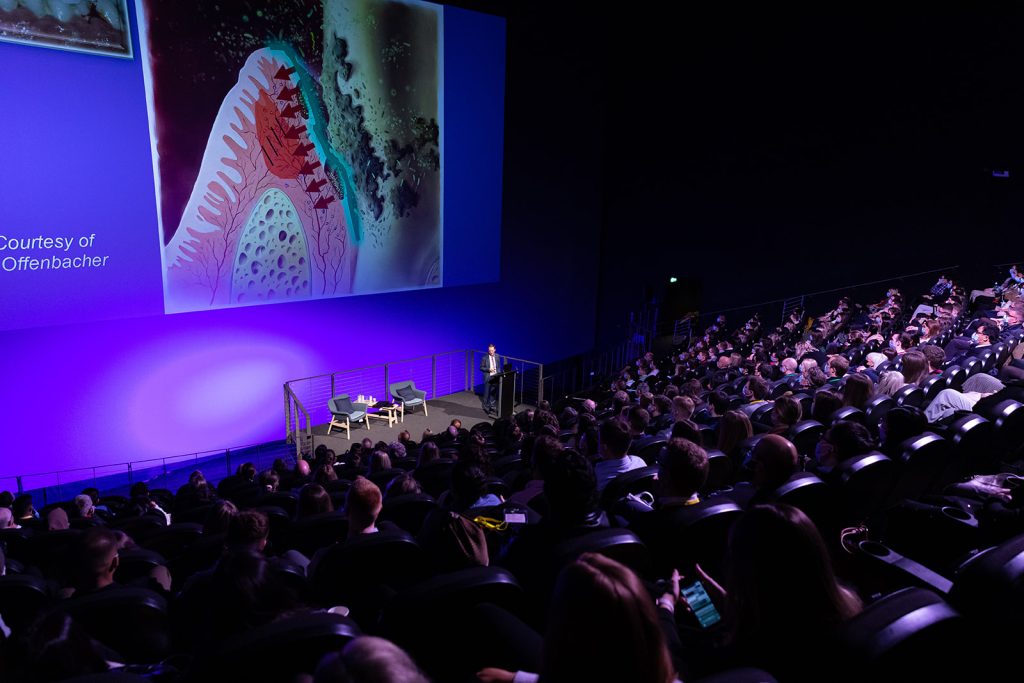
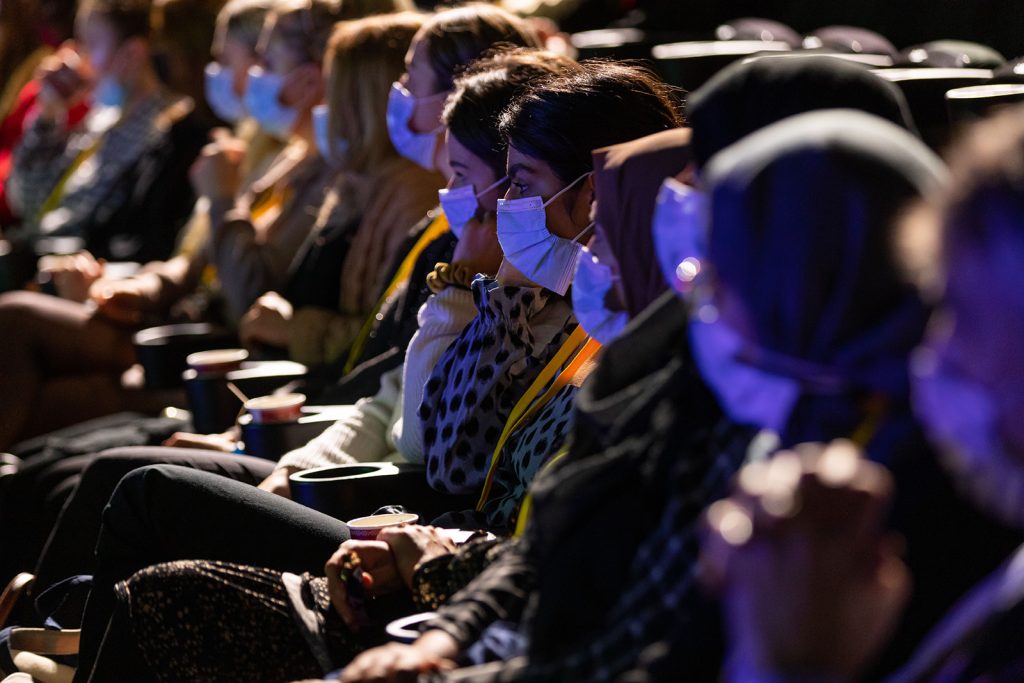
Safety was paramount with lateral flow tests requested alongside mask wearing in the IMAX lecture theatre while, for those who could not attend in person, live streaming was also available. Even so, we felt incredibly lucky to be able to hold the event just before the Omicron wave broke and all large-scale events in Scotland were either cancelled or postponed by the Scottish Government. We were delighted to be joined not just by dentists and hygienists but all of Glasgow’s BDS5 cohort and more than 100 vocational trainees from across Scotland. Equally we could not have run the event without the support of more than 20 sponsors and exhibitors, many of whom have endured a torrid time during the pandemic.

‘Great to see the final year students and VTs so well represented and supported’ 

 The Study Day brought together three of the UK’s most experienced educators. 

Carol Tait, Steve Bonsor and Iain Chapple

Based on current evidence, Iain Chapple discussed the relationship between periodontal disease and other chronic non-communicable diseases, and the role of the dental team in the medical management of their patients. He detailed the diagnosis of early peri implant disease, the consequences of late diagnosis, and reviewed the evidence for long term survival of implants versus periodontally involved teeth, before discussing the success rates and risk factors for implants and the associated legal issues.

‘I have never enjoyed a periodontal lecture/session more. Thank you for making it very interesting today and engaging. I really enjoyed it!’

Carol Tait continued the theme by discussing pulpal and periapical disease and assessment for endodontic treatment, delivering clinical tips on the way, before moving on to complex endodontic problems and techniques, and likely treatment outcomes and methods to increase success rates.

The day finished with the Caldwell Memorial Lecture delivered by Steve Bonsor, General Dental Practitioner and lecturer at the Universities of Aberdeen and Edinburgh, whose stimulating address on modern dental materials was delivered in his inimitable, engaging and informative manner.

‘Excellent organisation and presentations giving a very rounded day and all credit to the organisers to assembling such a great turn out.’

Delegates were almost universal in their praise of not just the speakers but of the luxury of being able to interact in person again.  Covid allowing, we look forward to welcoming them back on 2 December 2022 (put the date in your diary!).

*All quotes from our official feedback

Sign up to our monthly newsletter

Giving back: what you can gain from volunteering

London-based Dental Hygienist, Frances Robinson AssocFCGDent, has volunteered overseas for several years, providing oral health care in communities where it is much needed. Here she shares some of her experiences and offers advice for anyone interested in getting involved. 

It might not be everyone’s idea of “time off”, but I’ve never spoken to anyone who regretted the volunteering they’ve done, whether giving a talk on good oral hygiene in a school assembly or an extended trip abroad with an overseas charity.

As highly trained dental professionals, there are so many ways we can give back to both our local communities and the wider global community. We have a huge skill set that prepares us for volunteering, even without using our clinical skills. Communication, professionalism, working in a fast paced, ever-changing environment, are all key skills needed for working in outreach settings, with dental charities and in overseas communities. Furthermore, dental professionals are registered health professionals with moral standards to uphold and appropriate safeguarding certifications – all conducive to humanitarian work. 

Clinical skills are a recognisable asset for any volunteer within the health sector.  Dental professionals can offer their skills as part of an emergency relief campaign: in humanitarian crisis; in conflict zones; after natural disasters; or in refugee settings. Overseas volunteers are often needed to increase the capacity of local health facilities, as well as training and up-skilling local health workers.

I have volunteered with dental charities in the UK and abroad for several years and have gained much as a dental professional. I was newly graduated when I first volunteered which really threw me in at the deep end, but my experiences helped me become a more prepared, flexible and innovative clinician, as well as being a more culturally-aware team member.

I first volunteered for Dentaid in 2016 when I travelled with the charity to Nepal, and then later to Cambodia in 2017. Dentaid has worked in more than 70 countries providing safe dental treatment in poor and remote communities. They support dentists around the world by providing equipment, running oral health programmes and sending teams of volunteer dental professionals to help reach more patients and support local charities.  

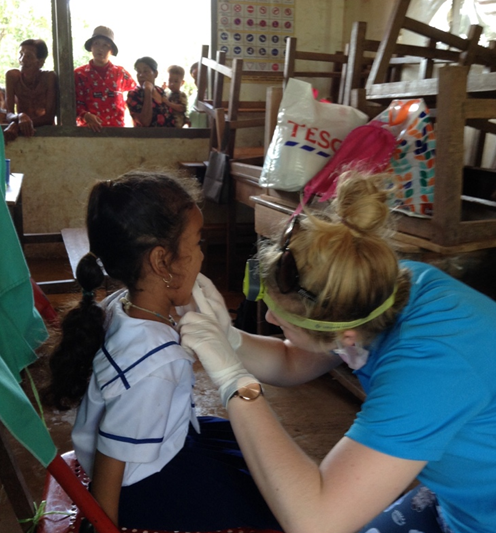
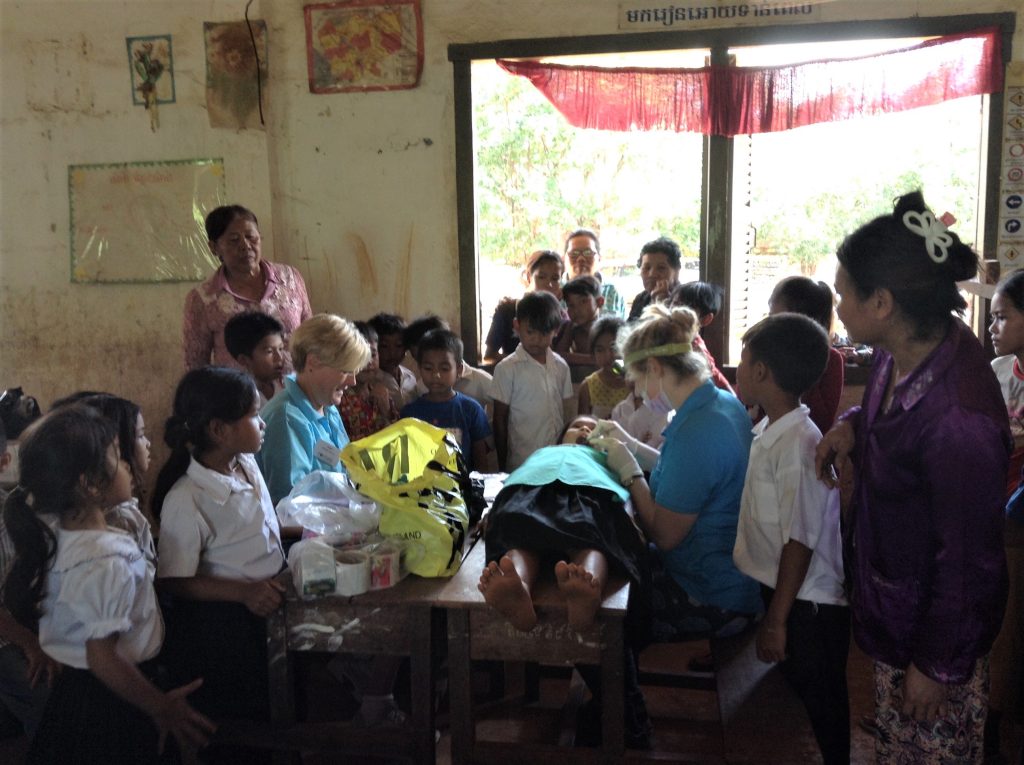
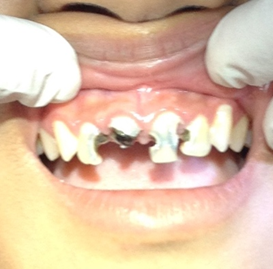
Conducting fluoride applications in Cambodia with Dentaid

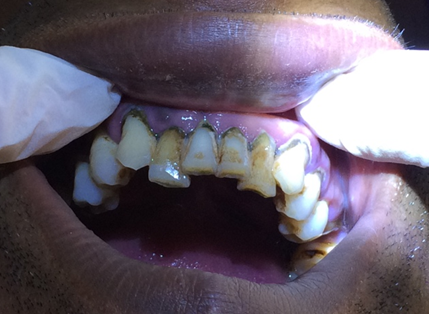
I had only been qualified a year when I took part in Dentaid’s inaugural trip to Nepal. In some areas we were able to help communities with much needed extractions for patients who were in pain and simple restorations and fluoride applications for those we could. We used very simple equipment, often with no reliable electricity, sometimes working outside.

An outreach clinic in a school in Cambodia

On one of our clinical days, we travelled by bus for three hours, then in a 4×4 for two hours and finally walked for one hour to set up a clinic in a remote school in the foothills of the Himalayas. I was shocked having travelled so far to see the children consuming excessive amounts of sugary drinks and sweets. The subsequent decay rates were astronomical. We set up preventative dental clinics in the rural schools on classroom chairs and tables. I came across a similar situation when I took the opportunity to travel with Dentaid to Cambodia. These transformative experiences became a catalyst for me to go on to study a Masters in Dental Public Health.

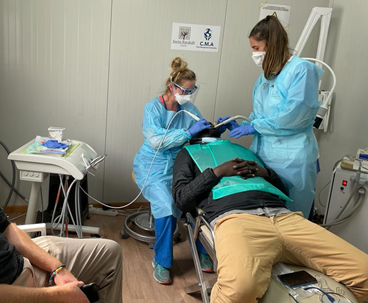
At the start of the pandemic, I began volunteering in fundraising and logistics for dental charity Dental Mavericks, who work in Lebanon, Morocco and Greece. In September 2021, I travelled to Greece as the first Dental Maverick to support a new partner charity to help support the dental clinic with dental volunteers in the Kara Tepe 2 refugee camp in Lesvos. I worked clinically, seeing my own patients and assisting other dental professionals. I also helped the charity’s founder and the clinical coordinators devise more effective data collection methods, restructuring their research to better attract funders, new clinicians and other support.

Treating a patient in a clinic in the Kara Tepe 2 refugee camp, Lesvos, with Dental Mavericks

Dental Mavericks focuses on promoting oral hygiene education and practice, making dental care accessible to vulnerable populations, including refugees. Their priority is to address the root causes of dental disease and take people out of dental pain. They provide emergency appointments, routine and preventative dentistry. They are hoping to help the Greek charity they support to expand the preventative aspect in the future. I am currently leading on a collaboration between Dental Mavericks and the British Association of Dental Nurses to support humanitarian workforce training.

Working abroad is an amazing way to see areas of the world that you wouldn’t otherwise visit. Interaction with patients that may have travelled many hours to see you is humbling in a way that is indescribable. But there are also many other ways that dental professionals can volunteer their time and skills. If you’re considering volunteering, it’s advisable to carefully consider how much time you are willing to give and what type of work you want to do, before committing to any voluntary opportunities.

Children and young people

Connecting with a local school to give assemblies and classes on toothbrushing and dietary advice may be a suitable option and can tie in with a preventative dentistry programme. Toothbrushing programmes in early years settings are recommended by NICE (1) and PHE (2); the effectiveness of these programmes for reducing tooth decay in early years settings and schools has been well established. There is scope for dental professionals to support their local settings with the set up and provision of these schemes. Designed to Smile in Wales and Child Smile in Scotland have been implemented with much success.

Care homes

A critical but often overlooked area of volunteering is supporting older people. Care home residents suffer a disproportionate amount of dental decay. Evidence shows significant differences between ‘institutionalised’ and community dwelling older people, with those in care having fewer teeth and significantly higher levels of dental decay (3), which has ramifications for an individual’s systemic health. Dental practices could consider collaborating with their local care home by helping to provide triaging advice for carers and oral hygiene advice for staff. 

Outreach clinics

There are many ways a dental professional can volunteer with an organised charity too. As well as providing dental care in remote communities abroad, the dental charity Dentaid runs clinics out of its mobile units all over England. They focus on vulnerable communities, for example the homeless, refugees living in the UK, residents in socially deprived areas and those unable to access care.

Another avenue for dental professionals seeking opportunities to volunteer is to reach out to non-dental-specific charities like homeless charities or charities for specific health conditions, and offer to help up-skill carers or other volunteers in dental health and hygiene.

Working overseas

There are many organised groups that offer voluntary opportunities overseas. It’s important to conduct thorough research into an organisation before committing to them. They should provide help that is culturally relevant, includes the local community, is empowering for its beneficiaries and looks to build a sustainable local workforce, where possible. 

As well as Dentaid and Dental Mavericks that I have already referred to, other organisations that provide dental support overseas include Mercy Ships and Médecins Sans Frontières.

Mercy ships is a faith-based international development organisation that deploys hospital ships to some of the poorest countries in the world, delivering vital, free healthcare to people in desperate need. They accept all members of the dental team and can focus on more complex treatments due to their on-board facilities.

Médecins Sans Frontières (MSF) provides medical assistance to people affected by conflict, epidemics, disasters, or exclusion from healthcare. This well-known organisation welcomes clinicians from most healthcare areas but has larger focus on medical care and sanitation. 

If I could give any advice to dental professionals wanting to volunteer, it would be to do a little bit of research before you decide on what you want to do and where you want to go. Then throw yourself in!

“At the end of the day it’s not about what you have or even what you’ve accomplished…It’s about who you’ve lifted up, who you’ve made better. It’s about what you’ve given back.” Denzel Washington

  1. NICE public health guidance 55 (2014). Oral health: approaches for local authorities and their partners to improve the oral health of their communities.
  2. https://assets.publishing.service.gov.uk/government/uploads/system/uploads/attachment_data/file/321503/CBOHMaindocumentJUNE2014.pdf
  3. Steele, J. G., Sheiham, A., Marcenes, W., Fay, N. & Walls, A. W. Clinical and behavioural risk indicators for root caries in older people. Gerodontology 18, 95–101 (2001). 

Frances Robinson chairs the Dental Hygiene & Dental Therapy Group on the College’s Career Pathways programme.
Sign up to our monthly newsletter

Remember, remember, the aims of November

Abhi Pal, President of the College of General Dentistry, says action by dental teams to promote understanding of oral cancer, antimicrobial resistance and the perils of excess sugar consumption can help reduce the burden of disease and prevent premature death.

Of the many significant causes which our College of dental professionals supports, it so happens that three of those around which annual campaigns are organised fall in November.

Mouth Cancer Action Month, organised by the Oral Health Foundation, raises public awareness of oral cancer, highlights the risk factors, educates people on what to look for and how to self-check, and encourages those who see anything unusual to visit their dental practice as soon as possible.[i]

Despite this vital work, the incidence of oral cancer has risen by 97% in the UK over the last 20 years, driven by a variety of lifestyle factors such as tobacco use and alcohol consumption.[ii]

Another of the causes is a rise in infection with human papillomavirus (HPV), which causes 5% of all cancers and is the leading cause of oropharyngeal cancers. Over two-thirds of oral cancer diagnoses are in men [iii], and those who were members of the Faculty of General Dental Practice UK (FGDP) should feel proud to be have been part of the successful HPV Action campaign – backed in a poll by 97% of FGDP and BDA members – for boys to be offered vaccination against HPV (just as girls have been since 2008), which will offer protection to 400,000 young men each year once fully rolled out.[iv]

Public awareness of the major signs and symptoms of oral cancer is, however, as low as 23%, and diagnosis is often at a late stage, and the number of deaths is also rising.[v] But chances of survival are much improved if cancer is detected and treated early, and general dental practitioners are uniquely placed to highlight risky behaviours to patients, to check for signs of cancers of the head and neck during the routine examination, to make referrals where they suspect a patient may have cancer or a pre-cancerous lesion, and to reassure, support and encourage patients to attend their referral appointment.

Dental practices can also play an important preventative role by raising awareness and displaying information in waiting areas, and crucially help ensure speedy access to treatment if needed by knowing their local referral pathway in advance.

CGDent’s new oral cancer webpage highlights guidelines, recommendations, webinars, posters and other resources which can help general dental teams play their part in tempering the rise in oral cancer, and I encourage you to take a look and bring it to the attention of practice colleagues.

World Antimicrobial Awareness Week, instigated by the World Health Organisation, runs from 18-24 November each year, starting with European Antibiotic Awareness Day on 18th.[vi] Antimicrobial resistance (AMR) is a global problem that leads to antibiotics no longer being effective in treating even simple infections, and there are serious consequences for everyone, particularly those undergoing major surgery, chemotherapy, organ or stem cell transplants.

Public discussion on this subject can sometimes give the impression that this is an issue for future generations to worry about, perhaps even a hypothetical one, but the scale of the problem is already significant. More than 2.8 million antibiotic-resistant infections occur in the US each year, and more than 35,000 people die as a result.[vii] And every year 25,000 people across Europe, and 700,000 worldwide, die from antibiotic-resistant infections, and it has been estimated that the annual global toll could be as high as 10 million by 2050.[viii]

Dentists issue around 5-7% of all antibiotic prescriptions in the NHS, and dental teams have a vital role to play in keeping antibiotics working by prescribing them only when necessary, and by educating patients to take and dispose of them responsibly.

It is a requirement of all healthcare providers in England that “procedures should be in place to ensure prudent prescribing and antimicrobial stewardship. There should be an ongoing programme of audit, revision and update” [ix], and these are good principles to follow regardless of where you practise.

Three key resources which can help you to do so were co-developed by the FGDP, and are now published by the College via our Standards & Guidance homepage:

  • The Antimicrobial Prescribing Self-Audit Tool helps dental prescribers to complete a clinical audit of their antimicrobial prescribing and management of dental infections, and to compare audited practice against the guidance

For many years the Faculty, together with the Association of Clinical Oral Microbiologists (ACOM), co-ordinated a collaboration of organisations to promote stewardship of antimicrobials, and this year the College picked up the Faculty’s role, working with ACOM to bring together 11 organisations across medicine and dentistry to hammer home the message that ‘antibiotics don’t cure toothache’.

Last year, our AMR Lead, Dr Wendy Thompson, presented a webinar on this theme called Now the drugs won’t work – treating people with toothache. Tonight she also led a new webinar called Talking standards: Antimicrobial prescribing in dentistry, offering a refresher on the guidelines, exploring how dental teams can help keep patients safe from untreatable infections, considering why dental practitioners might overprescribe antibiotics, and discussing the impact of COVID-19 on prescribing rates. We also heard powerful testimony from Vanessa Carter, a survivor of a multi-drug-resistant strain of MRSA, and member of the WHO Strategic Technical Advisory Group on antimicrobial resistance, which really illustrated the importance of antimicrobial stewardship, and I would commend you to watch. Co-produced with our CPD partner, ProDental, both recordings are available to CGDent members free of charge using the links above.

Sugar Awareness Week, organised by Action on Sugar from 8-14 November, aims to raise public awareness of the poor health outcomes associated with excess sugar consumption, and to get people talking about the importance of sugar reduction.[x]

The College of General Dentistry’s support continues that previously given by the FGDP, and the two organisations were among those who successfully campaigned for a ‘sugar tax’ on soft drinks, which since its introduction in 2016 has seen a 29% reduction in the sugar content of drinks subject to the tax, and a shift in purchasing towards lower sugar alternatives.[xi] We have also been pleased to see the further restrictions on the advertising and promotion of high sugar items which are starting to take place, and hope this will continue.

Action on Sugar’s analyses of the sugar content of individual food products and product categories frequently provide the substance behind extensive media coverage of this issue that you will have seen in recent years, and this year’s campaign focussed on the high sugar content often seen in snack foods marketed as healthy, and also called for the removal of misleading sugar claims on sweet baby and toddler snacks such as biscuits and rusks.

As a dental organisation, the College works with Action on Sugar to highlight the association between sugar consumption and poor oral health. As dental teams know all too well, tooth decay, despite being almost wholly preventable, affects around a quarter of 5-year-olds [xii], a third of 12-year-olds and almost half of 15-year-olds [xiii], and tooth extraction is the number one reason young children are admitted to hospital [xiv]. Reducing sugar intake also lowers our risk of a wide range of illnesses including obesity, type 2 diabetes, heart disease, stroke – and indirectly of some cancers.

My sense is that public understanding of these links has been growing for some time, yet as a nation we consume three times the amount of sugar we should be [xv]. The scale of the challenge to produce a decisive shift in behaviour therefore remains daunting, but dental practices have long been at the forefront of promoting reduced sugar consumption. To complement the messages delivered during clinical appointments, I would encourage practices to browse the many resources available on Action on Sugar’s website (http://www.actiononsugar.org/) and consider displaying its posters in their waiting area.

You may also be interested to watch the webinar recording Helping Our Patients to Kick Sugar, presented by London dentist and author of the ‘Kick Sugar’ cookbook, James Goolnik. As above, this is available free of charge to College members and comes with CPD hours.

As a member of the FGDP for almost a quarter of a century, I was extremely proud of its consistent work promoting action to tackle oral cancer, antimicrobial resistance and the overconsumption of sugar, and as President of the College of General Dentistry I am delighted to say that we are picking up where the Faculty left off.

Attracting and sustaining the public’s attention is very difficult. Raising awareness, changing perceptions, and advocating for change to the point that action is seen by decision makers as both necessary and likely to receive popular support, is often the work of decades. But it can and has been done in many areas, starting with a small army of committed advocates spreading the word at every opportunity, eventually leading to widespread understanding and support among the public, the media and politicians.

So while these three campaigns run each November, general dental practice teams can make a huge difference all year round, helping to promote a reduction in the burden of disease and premature death through their daily actions. These are issues which require our thought and conscientious action on a perennial basis – we must remember, remember.

[i] Mouth Cancer Action Month, Oral Health Foundation: https://www.dentalhealth.org/mouthcancer (accessed November 2021)

[ii] The State of Mouth Cancer UK Report 2020/21, Oral Health Foundation and Denplan (2021): https://www.dentalhealth.org/Handlers/Download.ashx?IDMF=33f0d4c5-aa47-4e06-9454-9914e2476614

[iii] Head and Neck Cancer statistics, Cancer Research UK: https://www.cancerresearchuk.org/health-professional/cancer-statistics/statistics-by-cancer-type/head-and-neck-cancers (accessed November 2021)

[iv] ‘’Decision to finally offer boys HPV vaccine will save many lives’: Declares charity’, Oral Health Foundation (2018): https://www.dentalhealth.org/news/decision-to-finally-offer-boys-hpv-vaccine-will-save-many-lives-declares-charity

[v] The State of Mouth Cancer UK Report 2020/21, Oral Health Foundation and Denplan (2021): https://www.dentalhealth.org/Handlers/Download.ashx?IDMF=33f0d4c5-aa47-4e06-9454-9914e2476614

[vi] World Antimicrobial Awareness Week, World Health Organisation: https://www.who.int/campaigns/world-antimicrobial-awareness-week/2021 (accessed November 2021)

[vii] Antibiotic Resistance Threats in the United States, 2019, Centers for Disease Control and Prevention (2019): https://www.cdc.gov/drugresistance/pdf/threats-report/2019-ar-threats-report-508.pdf

[viii] Tackling Drug-Resistant Infections Globally: Final Report and Recommendations, The Review on Antimicrobial Resistance (2016): https://amr-review.org/sites/default/files/160525_Final%20paper_with%20cover.pdf

[ix] The Health and Social Care Act 2008 Code of Practice on the prevention and control of infections and related guidance, UK Department of Health (2015): https://assets.publishing.service.gov.uk/government/uploads/system/uploads/attachment_data/file/449049/Code_of_practice_280715_acc.pdf

[x] See http://www.actiononsugar.org/sugar-awareness-week/sugar-awareness-week-2021/get-involved/

[xi] Sugar reduction: Report on progress between 2015 and 2018, Public Health England (2019): https://assets.publishing.service.gov.uk/government/uploads/system/uploads/attachment_data/file/839756/Sugar_reduction_yr2_progress_report.pdf

[xii] ‘Tooth decay in 5-year-olds now increasing in some parts of England’, Faculty of Dental Surgery of the Royal College of Surgeons of England (2018): https://www.rcseng.ac.uk/news-and-events/media-centre/press-releases/phe-oral-health-2017/

[xiii] Child Dental Health Survey 2013, England, Wales and Northern Ireland, Health and Social Care Information Centre (2015): https://digital.nhs.uk/data-and-information/publications/statistical/children-s-dental-health-survey/child-dental-health-survey-2013-england-wales-and-northern-ireland

[xiv] ‘Every 10 minutes a child in England has a rotten tooth removed’, Public Health England (2018): https://www.gov.uk/government/news/every-10-minutes-a-child-in-england-has-a-rotten-tooth-removed

[xv] National Diet and Nutrition Survey: results from years 7 and 8 (combined), Public Health England and the Food Standards Agency (2018): https://www.gov.uk/government/statistics/ndns-results-from-years-7-and-8-combined

Sign up to our monthly newsletter

Reduce antibiotic prescribing to pre-pandemic levels – it’s time to act!

Ahead of the annual global campaign on antibiotic awareness, Dr Wendy Thompson says that rates of antimicrobial prescribing across dentistry have been slow to reduce since passing the peak of COVID-19, even though we are returning to more normal practice and dentists should no longer be providing remote prescriptions.   

Providing the right care for patients with acute dental pain or infection at the right time was a challenge even before the coronavirus pandemic struck. At the CGDent/ProDental webinar on Tuesday 5 October, we heard some shocking statistics about how the public continues to experience urgent dental care.

Jacob Lant from HealthWatch told us that before COVID-19, dentistry accounted for around 5% of feedback from members of the public. However, the situation has deteriorated over time and the most recent statistics from Spring/Summer 2021 show that 25% of all feedback received by HealthWatch relates to dentistry. Sadly, the vast majority is about negative experience from people who are unable to access care for their toothache. Without additional funding, how on earth is the NHS system to deal with this backlog of care caused by the pandemic?

But to my mind doing this whilst keeping our patients safe from the potential adverse events of antibiotics is even more of a problem. We know that procedures are the most effective way to cure someone’s toothache and that dental surgeons are well equipped to diagnose and treat dental pain and infection during urgent dental appointments. However, we also know that this needs appointments which are at least 20 minutes long. The 15-minute appointment slots referenced in the NHS unscheduled dental care commissioning standard are simply not long enough to provide the procedures indicated by clinical guidelines.

The COVID-19 lockdown dramatically reduced access to urgent dental care suddenly and almost totally. For a while, remote care via advice, analgesics and antimicrobial (where appropriate) became the emergency guidance to get us out of a hole where there was simply not enough provision. Unsurprisingly during this time, rates of prescribing rather than procedures increased dramatically.

Confidently diagnosing acute dental conditions remotely is really hard. And without a diagnosis there should be no treatment. In normal times, therefore, remote diagnosis and management is rarely appropriate for dentistry.

Imagine how you would feel if your patient suffered a dramatic adverse reaction to the antibiotic which you remotely prescribed. How would you defend your position to the Coroner about why you gave a remote prescription rather than booking them into a face-to-face appointment? How would it wash that you, as a highly trained professional, were doing what a manager (with no prescribing competences within their scope of practice) told you to do?

In December 2020, the FGDP(UK) Antimicrobial Prescribing in Dentistry Good Practice Guidelines were updated, including highlighting the benefits of penicillin V over amoxicillin. Penicillin V is a narrower spectrum antibiotic and therefore less likely to drive the development and spread of antibiotic resistance. Now that we are returning to a more normal practice after COVID-19, the care we provide to patients with acute dental pain or infection should also be returning to normal. It is no longer appropriate to be providing remote prescriptions.  If someone’s condition is bad enough that they might need an antibiotic (ie a spreading swelling as indicated by guidance), then it’s bad enough for them to need to be seen.

Unfortunately, the rates of antibiotic prescribing across dentistry have been slow to reduce and the whole dental profession needs to work together to get back to the prescribing levels we were at before the pandemic. This isn’t just about dentists prescribing less, it’s about practice owners leading by example and holding their dental teams to account.  

Within the NHS, it’s about national commissioning teams, Local Dental Networks and managers within dental provider organisations setting the context to facilitate low rates of antibiotic prescribing, including long enough appointments for urgent dental procedures AND managing and monitoring service provision to ensure inappropriate antibiotic use is minimised (as per the Health and Social Care Act’s code of practice on the prevention and control of infections – Appendix B Primary Dental Care).

In the latest issue of the Primary Dental Journal, it is my pleasure to share with you papers from around the world about how urgent dental care has been provided since the start of the COVID-19 pandemic.  I am especially proud of a paper authored by members of dental teams who participated in (and helped deliver) my doctoral research about urgent dental care in general dental practice and out-of-hours clinics. The insight was particularly useful for me as I plan my next research in urgent dental clinics, and I hope that it might encourage you to get involved in research in the future.

During the World Health Organisation’s World Antimicrobial Awareness Week 2021, I will be hosting a CGDent webinar on antimicrobial prescribing and how dental professionals around the world are tackling antimicrobial resistance locally. The webinar is free to view live for everyone (Thursday 25 November, 7pm – register here) and CGDent members can also access the recording and CPD hours for free. If you aren’t a CGDent member, there is a small free to receive certified CPD or to access the recording.  I hope to see you there!

Dr Wendy Thompson PhD MCGDent is a general dental practitioner, lecturer in Primary Dental Care and the College of General Dentistry’s lead on antimicrobial prescribing and stewardship. A College Ambassador, she also holds advisory roles on tackling antibiotic resistance with the Office of the Chief Dental Officer (England), FDI World Dental Federation and the National Institute for Health and Care Excellence.

Guest Editor of the forthcoming issue of the Primary Dental Journal, which examines Urgent Dental Care and COVID-19, she hosted a recent College webinar on this topic, and is also the host of the upcoming College webinar on antimicrobial prescribing. Our full list of upcoming webinars and events is available here, with more webinars added regularly. In addition to our live webinars, CGDent members have free, on demand access to a rich library of 900+ hours of CPD and a linked e-PDP with our partner ProDental CPD.

Membership of the College of General Dentistry is open to all registered dental professionals. Membership for dentists is available from £94, and for other registered dental professionals from £33. The full list of CGDent membership rates is at https://cgdent.uk/membership-fees/

Sign up to our monthly newsletter

Moving into facial aesthetics: my journey

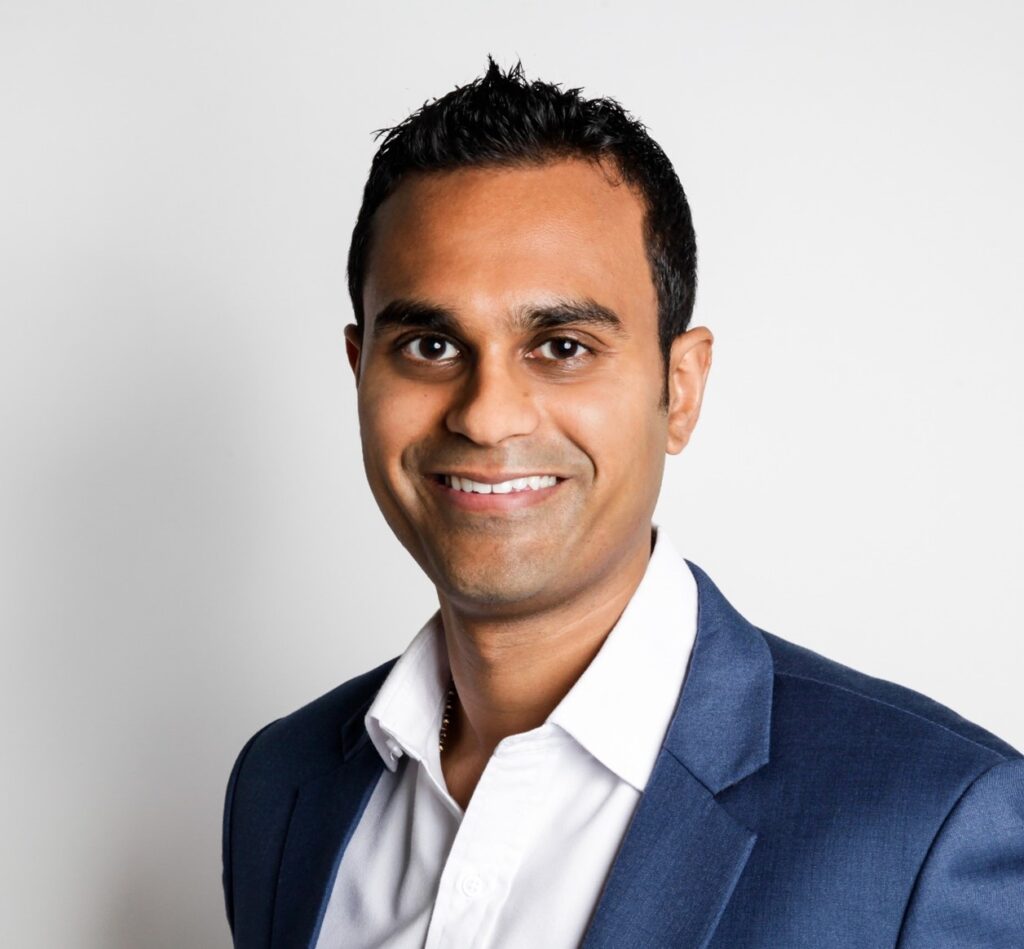
Dr Jalpesh Patel, Founder of RASA Academy, one of the College’s Trusted Training Providers, describes how his own experience of the available training options inspired him to develop the new Postgraduate Certificate in Non-Surgical Facial Aesthetics with CGDent.

It is funny how your career pans out; I would have never thought that when I graduated, I would then go on to establish a training academy in Non-Surgical Facial Aesthetics and develop a postgraduate certificate programme with a dental college. Fortunately, it has been a fantastic journey thus far.

In my very early career as a general dental practitioner there was a demand for cosmetic injectable treatments at the practices I was working at and it was the receptionists who encouraged me to embark on some training in this field I knew little about.  At the time the trend was to attend a few short courses, which were often in big groups with minimal applied and “hands on” training and then you were encouraged to start seeing your own patients. Naively this is how I proceeded and needless to say there were some anxieties.  When I look back to why I established RASA Academy this was one of the overriding reasons; to make sure practitioners did not have this feeling and that they were incredibly prepared prior to seeing their own patients.

As my career progressed, non-surgical facial aesthetics proved to form a large part of my clinical activity.  Having completed a Masters in Aesthetic Dentistry, which had a small proportion dedicated to cosmetic injectables, I also attended a number of other courses as well as completing a Postgraduate Certificate in Skin Ageing and Aesthetic Medicine at the University of Manchester.  It was at this stage I became more involved in the regulatory aspects of this industry, which made me realise that there was a “movement” occurring towards stricter regulation and the realisation there had to be more formality to the educational pathways involved in this industry.  This was the trigger for the establishment of RASA Academy; which in the last 18 months has collaborated with the CGDent to develop the innovative Postgraduate Certificate in Non-Surgical Facial Aesthetics which provides dental practitioners with a comprehensive training route into this industry.

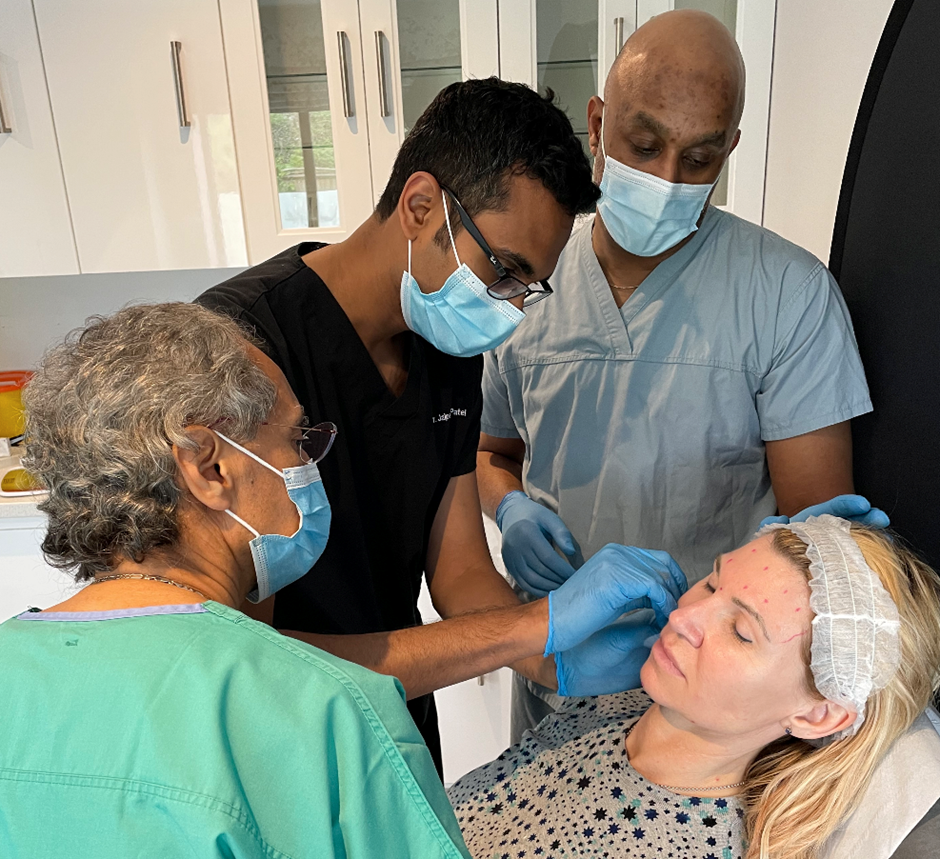
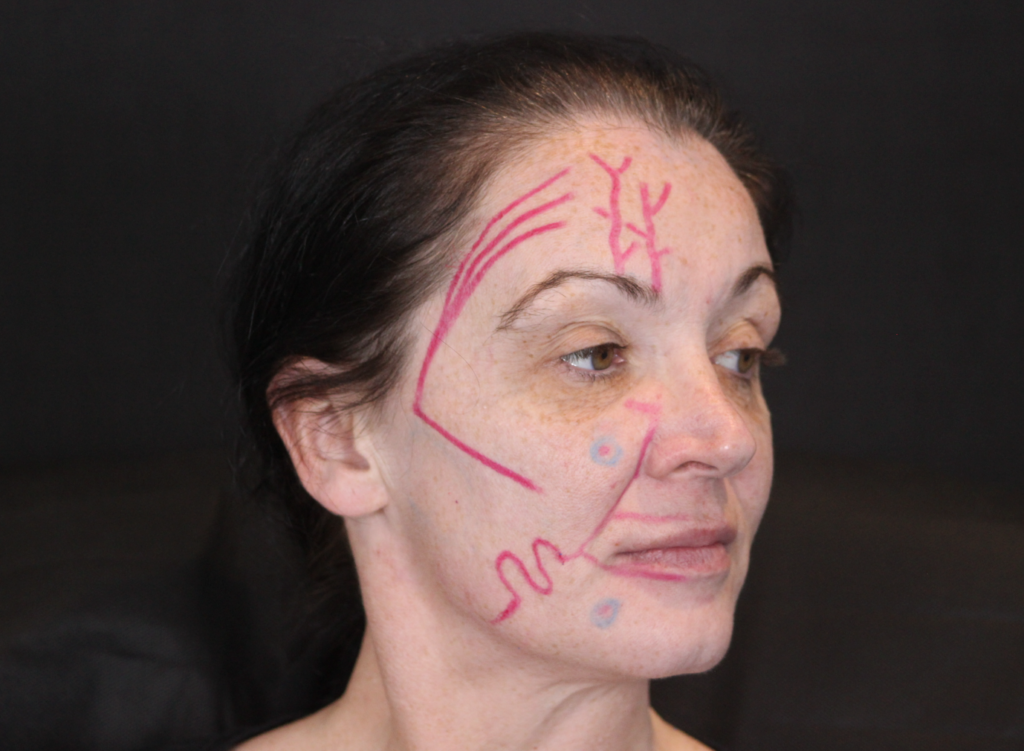
The main aims of this programme are to give a busy practitioner the opportunity to embark on a structured pathway to help them steer their career partially or fully into providing cosmetic injectables.  It is highly clinical (40+ cases will be observed and treated at the academy) and so students will transition from the training environment to practising independently with confidence, in contrast to when I was training many years ago.

Unlike attending a number of short courses, the detailed structure of the programme ensures students benefit from a holistic approach to their training covering a set number of clinical cases, from assessment to treatment, and evidence-based theory as well as developing a detailed commercial and business awareness to help grow their aesthetic practice.

We place an emphasis on applied, patient-facing learning which takes place in both small groups and 1:1 mentoring sessions with our highly experienced trainers. Our trainers have a variety of clinical backgrounds from dentists that work exclusively in dental practice to boutique aesthetic clinic owners, as well as injectors for reputable skin clinics.  The blend and delivery of learning is fantastic and the collaboration with the College of General Dentistry has been entirely appropriate as our visions and ethos are aligned.

From a student’s perspective, the rubber stamp from the College ensures the training has been quality assured to a high level and they are embarking on a programme which will have a level of future proofing and rigour.  Interestingly, there are currently no similar College-backed programmes and so this is truly a unique and impactful offering, which I believe will make a real difference to someone’s career in an industry which has significantly growing demand.

We currently have our first cohort of students going through the programme and are really excited to be accepting new candidates for enrolment.  We would be delighted to welcome prospective students who are considering venturing into this field or wishing to increase their scope of practice in non-surgical facial aesthetics.  We also have completed a series of webinars covering many important topics including an introduction to facial aesthetics, how to plan your educational journey whilst considering regulation, clinical considerations, cases and complications. These are aimed at practitioners at all stages of their facial aesthetics career but in particular those in the consideration phase or early stages.  CGDent members have complimentary access to these videos and can also claim CPD.

The CGDent and ProDental CPD Non-Surgical Facial Aesthetics webinar series, presented by Dr Jalpesh Patel, is available below.

CGDent members and ProDental subscribers have free access to the recordings and can claim CPD for free. A £20 fee will apply for non-members/non-subscribers. To receive information on upcoming CGDent webinars and events, sign up to the CGDent newsletter.

The CGDent’s Postgraduate Certificate in Non-Surgical Facial Aesthetics is suitable for candidates seeking to incorporate non-surgical aesthetic medicine in their practice or to embark fully in a career in this area. Find out more and apply here.

Realising the potential

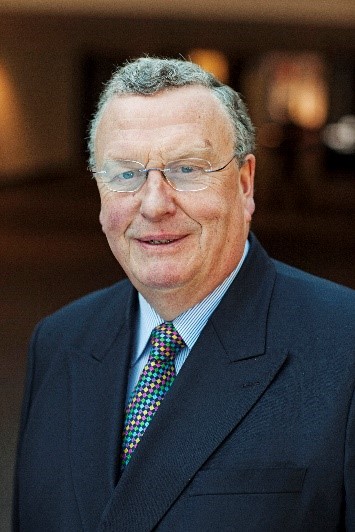
President Emeritus, Professor Nairn Wilson FCGDent, welcomes members to the College of General Dentistry and reflects on the impact of the new College for the general dental profession.

Congratulations on your membership of the College. Please use your new postnominals -FCGDent for Fellows, AssocFCGDent for Associate Fellows and MCGDent for members, to help raise awareness of the College. Also, please encourage the members of your dental team, together with your friends, acquaintances and colleagues in dentistry to follow your good example and join the College. The more members, the sooner the College is going to be able to make application for a Royal Charter, establish faculties and schools and much more besides.

If only dentistry had had its own independent Royal College in years gone by, the standing and status of the profession, the importance of oral health to general health and wellbeing and the impact of dentistry, both NHS and private in healthcare provision would be in a much better place. The College, which is going from strength to strength, intends, amongst many other things, to address these issues and while it is at it, work on transforming public attitude to oral health and the value of lifelong, longitudinal dental care. I see the introduction of the College being akin to a tethered boxer suddenly having full use of both hands. The activation of the College changes the odds which, despite the commendable, ongoing work of the professional associations, have plagued dentistry for longer than anyone cares to remember.

When the College is firmly established as a Royal College of high national and international standing, oral healthcare professionals will look back and wonder how dentistry managed prior to 2021 – no unified voice for the whole profession, a mishmash of career arrangements, exclusion from critical, high level considerations of healthcare, and, most importantly dentistry being undervalued and poorly understood. Our successors, in looking back, will recognise and thank all those who got behind the formation of the College, specifically those listed in the College’s Roll of Honour. As a pioneer in the membership of the College, you too could be included in the Roll, if you are not already listed – a once in a lifetime opportunity to be immortalised in the early history of the College. All you have to do is contact me ([email protected]) and I will be delighted to guide you through the process.

In encouraging you to help fuel the College fire, and get behind our elected President, Abhi Pal, and the recently constituted College Council, the only way forward must be seen to be ‘up’. The College needs more than being timely, unique and forward thinking; it needs its members to be committed to its purpose and vision. Knowing many of the founding members of the College, hopefully including yourself, the College can be confident in going forward. No problem however difficult, no barrier however high, no disagreement however polarised should stop the College realising its transformational potential.

The future of the College and, in turn, dentistry, which I believe to be full of exciting opportunity, is in your hands, as members of the College. Get engaged, help recruit more members and together change things for the better – your College, your future, your call!

Career Pathway for dentists to provide a flexible structure for 21st century practice

Phil Dawson, general dental practitioner with a special interest in restorative dentistry, explains how the College’s Career Pathway for dentists is being developed to provide a clearly defined structure whilst offering the flexibility needed by the contemporary practitioner.

I graduated from the University of Liverpool in December 1991 before commencing my first role as an associate dentist in sunny Wigan the following month. If someone had asked me back then what my career goals were, I think I probably would have answered “to be a dentist”!  Now the best part of 30 years later, I sit writing this blog having achieved, I feel, this mighty goal!

During this time, I am or have variously been:

  • Associate dentist
  • Principal/partner of multi-group mixed NHS/private practice
  • Educational Supervisor/VT trainer (as was)
  • Specialty Dentist/Honorary Teaching Fellow at Manchester University
  • HEE appointed mentor
  • ORE Examiner
  • Course Lead/Director/Tutor/Examiner for FGDP Diploma in Restorative Dentistry
  • Clinical Support Manager for {my}dentist
  • Associate Dental Dean for Conduct & Performance at HEE NW

Despite the above list, if asked by anyone I still describe my job as a “dentist”!

The various stages in my career have developed not as part of some grand master plan, but rather by independent, often disjointed steps. I suspect I will not be alone in this mode of career progression. My career history goes to prove that dental careers often ‘happen’ and develop over the course of our practising lifetime, possibly in unplanned ways and taking directions which initially seem quite unlikely.

My association with FGDP and CGDent began when I completed the second cohort of the Restorative Diploma in 2008. This was to turn out to be a pivotal moment in my career development as most of the roles in the list above were as a direct consequence of this qualification, including becoming Course Lead/Director for the Diploma in a classic poacher turned gamekeeper move! My eternal gratitude goes to Professor Paul Brunton and Mr Ian Wood for such inspiration.

This close association culminated in being asked by CGDent to be Chair of the Working Group for Career Pathways for Dentists. I was tasked with recruiting a group of individuals that was representative of dentists today – no easy task I admit, but I have been blessed with meeting some highly motivated and intelligent fellow dentists throughout my career so far.

The idea was to develop a pathway that identified the different stages of career progression, the key features of these different stages and how these stages might be evidenced. Right from the outset it was emphasised that the old-fashioned notion of ‘tick-box’ career progression was NOT what we were after! Yes, we wanted a framework for career progression, but it was imperative that this framework contained a great degree of flexibility so as to allow the modern 21st century dentist to adequately showcase their career development whilst also allowing the profession and the public to be confident that such a framework represented a safe and coherent structure to career progression.

Another exciting feature was that this process was to be introduced throughout the WHOLE of the dental team – different working groups were to be similarly set up looking at career progression for hygienist/therapists; dental nurses and orthodontic therapists; clinical dental technicians and dental technicians. I felt this was such an important feature of the process – aligning the career pathways of the WHOLE of the dental team as befits the College of General Dentistry.

My aim was to recruit a team of individuals who, using their own experiences and visions, would be able to develop ideas of career progression along the lines set out above. It was humbling that everyone I approached did agree to join the Working Group – and so it is made up of quite an eclectic group of individuals.

The College’s aim in developing these Career Pathways, is to provide some structure to aid our career progression without this being too prescriptive. As you will appreciate from reading this blog, my own career has followed quite a unique pathway, and the Working Group has been keen to allow for this variability in career development.

As I write this, the final version is still in development but the end-product is looking very exciting. I wish such a structure had been in place all those years ago on that first journey from Liverpool to Wigan….!!

You may also be interested in reading blogs from other practitioners involved in developing the Career Pathways programme.
Robert Dyas, Oral Surgeon and Director of ProDentalCPD

Dr Robert Dyas, Oral Surgeon and Director of ProDentalCPD, explains how he developed his highly successful online dental CPD platform, and how CGDent members will benefit from free access to an extensive package of quality-assured CPD and ePDP.

There have been several elements to my career so far. I am a specialist oral surgeon and have been a mentor in oral surgery, implantology and sedation for many years. I am also an ITI Fellow, FFGDP and FDS RCS.

Currently I am in part time Specialist Private Practice limited to oral surgery and implants, providing a full range of grafting both soft tissue and bone, including zygomatic implants and full arch reconstructions.

Prior to this clinical role I worked in NHS practice and hospital / university settings in oral and maxillofacial surgery. I was for many years a lecturer in Oral Surgery, organising university undergraduate and postgraduate courses. I was also awarded a prestigious Wellcome Trust Research Training Fellowship.

I worked part time for COPDEND (the UK Committee of Postgraduate Dental Deans and Directors) for five years, developing dental postgraduate courses. During this time I realised the limitations of face-to-face CPD provision. Difficulties in access, sourcing speakers, travel, costs, and time. This sentiment was encouraged by my wife and business partner Julia who has a background in training and development and was able to introduce me to world experts in distance learning back in 2005. This group of people worked with us for many years and led to the development of our bespoke learning management platform and eLearning authoring tool. We are very proud that our bespoke learning design has successfully won innovation awards for the last four years, including best e-learning platform in healthcare.

The key driver behind what we have been doing has always been to create the best, most innovative learning experiences we can for our users. To do this we have invested well over £500k to develop the platform we currently have. In 2020, we were commissioned by HEE colleagues locally to create a COVID training package for dental teams working in the UK. Well over 50,000 dental professionals completed this free course.

We currently have over 350 CPD courses on our website and this is being added to every week with, on average, an extra two courses.  We also have users in 69 countries around the world and create content in collaboration with colleagues internationally. Recently we have worked with Bridge2Aid, Smileawi and the Maldent Project and are currently looking at models for disseminating learning to remote and rural areas.

In the last year we have collaborated with friends and colleagues at CGDent and FGDP to create and host 20 webinars in many areas of dentistry with some fantastic feedback and responses, and over 30,000 viewers.

What the CGDent members CPD package includes 

CGDent members will have free access to all ProDentalCPD recorded content. Currently there are over 350 online courses available, which vary in length from 30 minutes to 48 hours. All courses are timed as per GDC requirements, so the certificate reflects the actual time taken. This equates to over 900 hours of CPD, increasing by four hours every week. The courses cover all areas of dentistry, for all members of the dental team, are independent and peer reviewed. 

A minimum of two webinars per month will be created with and for the College. In addition, there is an existing program which will be made available to CGDent members at no extra cost. These webinars will be themed around CGDent and FGDP Standards and Guidance, as well as topics featured in the Primary Dental Journal.  CGDent members will also get free access to other live and recorded content, on average another eight webinars per month.

How the package will support the full dental team

Our mantra has always been to enable and elevate people so they can make the very best out of their career. CPD and learning should be inclusive, stimulating, and rewarding for all members of the team

CGDent members will have access to a branded and refined version of the existing ProDental ePDP platform.  I have been involved in the concept and creation of PDPs long before they became mandatory, personally lecturing widely and contributing to their conception over 10 years ago, maintaining an active interest in their continual improvement ever since. Development will be continuous, to ensure that the ePDP provides an increasingly capable platform, aligned to CGDent’s Career Pathways programme and supporting the prioritisation of professional development goals, for each member of the dental team.

I have always been passionate about both personal development and also learning through helping others. Dentistry can be a tough job to get into but can have many rewards. Learning and education have been the backbone of my career which I have enjoyed immensely. I believe real CPD should be quality assured and help all colleagues reach their potential and get the very best out of their careers. I have been very fortunate to meet people in my career who have acted as mentors and helped to develop areas of my career. This has helped me attain things I never believed were possible in my life. I believe that CGDent offers new opportunities for the whole dental team to develop their careers, form relationships and get the support they need in their career journey. I feel honoured to be able to help this fantastic organisation.

Find out more about the benefits of joining the College of General Dentistry and how to register.

Special care community dentist, Heather Mitchell

Special care community dentist, Dr Heather Mitchell, is part of the Career Pathways Programme Board leading the development of the College’s Career Pathways, designed for each profession within the dental team. Here she describes the in-depth work that has been carried out to ensure the College’s professional framework and membership structure effectively support the career development of every member of the dental team.

I started my role as an Education Fellow with the College of General Dentistry in September 2020. My average week is two days working as a special care community dentist in Birmingham and three days working on the Career Pathways project. My work with the College has been from home this year and the hours are flexible with some evening meetings to allow us to meet with professionals who are working clinically during the day.

During the first meeting with Janet Clarke and Abhi Pal back in September 2020, they explained the College’s vision for the career pathways, how we would be setting out a professional framework for all seven of the dental professions covering five domains and within each of those there would be five different membership levels. After the meeting I felt excited about having the opportunity to be involved however also slightly daunted about the amount of work required to get there especially as these career pathways have never been defined before. When I joined the College the working groups for each profession had been established, they had been carefully selected to represent professionals from across the UK and who were at different stages in their careers.

There is very much a team effort approach with this project to ensure the framework is not reflective of just one person’s voice. I work alongside Kirsty McCulloch who is an education and quality assurance specialist with experience working within dentistry, Steve Stark an expert facilitator and whose company, Then Somehow, works with companies to increase their productivity, and finally Tara Williams (formerly Gus) who is helping with the organisational side and managing the huge spreadsheet of the framework. We have been working completely online so far, which means we have not been restricted by location when organising meetings. Also, for the members of the working groups we have been able to organise meetings far more easily than if we had to do it face to face, resulting in involvement of professionals from across the UK

Our initial working groups meetings were about introducing the concept and ideas of the Career Pathways framework, the College is unique because it is open to all dental professionals, this puts emphasis on the importance of a team-based approach to patient care and lifelong learning. To get the conversation started we asked the members of each working group to think about a colleague who they felt fitted into one of the different career stages. They were asked to describe their professional attributes by thinking about what they said and how they worked for example. From this activity a lot of general themes appeared across all the professions such as reflection, communication, awareness of their own competence and being patient focused. I took these themes and created a first draft of the framework using the language from each working group. The aim of the framework is to be inclusive and accessible for everyone therefore the use of language had to be carefully considered.

We then took the framework back to the working groups to highlight in traffic light colours which parts they were happy with and where there could be improvement. This allowed us to further shape the framework and populate all 5 levels of the framework for each profession. It is essential there is flexibility in the framework, to allow professionals to use it who have more than one job role or who have moved away from clinical work.

By this stage the framework across the professions were becoming more similar and actually for some domains, for example ethical practice and self-reflection, they were the same across each profession. This helps to support the collective voice of the profession which the College is aiming to create.

We are now at the stage where we have a prototype of the framework which we have taken to the Reference Group and a sponsor group for further feedback. During this process we have always thought about how professionals will evidence this framework, and we are now at the stage where we are starting to discuss this with the working groups. It should be evidence that is accessible for the whole team and not limited to postgraduate qualifications. The idea of the framework is that a professional can use it as a tool to plan how to move up the levels if desired or maintain where they are. It is not expected that every professional will be aiming to be an accomplished practitioner.

The College’s commitment to prioritise a patient-centred approach to oral health care, as well as provide a much-needed structure for skills and career development within the profession, will serve to improve professionalism in dentistry. In turn, this will hopefully strengthen patient trust in their oral healthcare, benefitting the oral health of the nation. Now that I have been in the role for ten months, I can really appreciate what a great opportunity this has been to work on such an innovative project so early on in my career, I feel proud of what we have managed to achieve and am looking forward to sharing it more widely.

You may also be interested in reading blogs from Career Pathway Reference Group members, Professor Avijit Banerjee, Chair in Cariology & Operative Dentistry at Guy’s and Andrea Johnson, orthodontic & maxillofacial laboratory manager.

Career Pathways will support all dental professionals

A member of the College’s Career Pathway Reference Group and Advisory Strategy Group, orthodontic & maxillofacial laboratory manager, Andrea Johnson, explains how the College of General Dentistry will benefit and support every member of the dental team.

Who am I? That is a good question, I am currently a highly specialised orthodontic technician, orthodontic & OMFS laboratory manager, deputy clinical governance lead, quality improvement coach, chair/founder of registered charity Den-Tech, editorial board member of the Dental Technician magazine, advisory & reference group member of CGDent and a part time masters student. I have previously served as a STEM ambassador, Chair of the OTA, a DTA council member, have taught dental technology in various education establishments, I lecture both nationally and internationally at conferences and events and generally get involved in trying to further and support my profession wherever and whenever I can.

Is this who I have always been? No. I actually retrained into dental technology in my early 30’s. I must admit that it was a little scary in some respects going back to being a student and knowing I would be one of the eldest in the cohort. However, I needn’t have feared because I was welcomed with open arms and treated as just one of the group. Having said that, I did end up mothering them all to some degree!

My career in dental technology has been relatively straight forward. I started out in a small private denture laboratory and then after a couple of years moved into the hospital service, training further in orthodontic technology, and have not looked back since. I didn’t realise at the time just how much I would enjoy the challenges I would face in the field of orthodontics, especially the more complex patient cases we see in the hospital service.

When I started at my first hospital-based post, my then manager insisted that I become a member of the Orthodontic Technicians Association (OTA) and attend their annual conference. He realised the value of contact with fellow technicians from other labs and the networking opportunities these events provide. Little did I know at that time where that would lead, but I am very grateful for the nudge, because after only two years as a member I was approached by the then chair of the OTA and was asked to present at their conference and subsequently to sit on the council. Ultimately, I spent over 8 years on the council serving in a variety of roles including the OTA’s first female chairperson.

My time with the OTA gave me the opportunity to engage with professionals and regulators from across dentistry in a variety of settings, but the common theme I always noticed was the inequalities in the opportunities and engagement offered to our various groups within dentistry and the outdated hierarchy clearly still very present.

Throughout my working life, I have found that the only truly positive and productive way forward is through a strong team-working ethic, resulting in effective output and higher levels of job satisfaction for all team members.

These are the reasons that I was very excited and honoured to be approached to work with the newly-forming College of General Dentistry, to be given the opportunity to work with like-minded, professionals from across dentistry and help define the dental college of the future that we all want and most definitely need.

A college that will treat every member of the team as an equal, that will recognise the incredibly important role that each and everyone of us plays in achieving the very best in patient care and outcomes.

So how will this be achieved? One of the key and very exciting steps is the evolution of the College’s Career Pathways for each of the dental groups. The Career Pathways are being designed with parity, between all dental team groups, with equivalent progression, recognised associated post nominals and membership status regardless of our role within the profession. It will be our experience, skill, ability, training and education that will determine our position and standing within the College, allowing all to stand proudly shoulder to shoulder with our peers.

We have a very dedicated group of representatives from across the profession working on these pathways and they are looking fantastic already. Although there will still be some tweaking needed to complete the pathways after the College has launched, they will be integral to the College membership structure, with regular reviewing to ensure they remain relevant for all the years ahead.

In short, I have real belief and faith in what the College is determined to achieve, and although I have outlined only a tiny part of what will be a clearly defined membership structure for the full dental team, I urge you all, in the strongest possible way, to join the College and be proud to be part of something amazing.

You may also be interested in reading blogs from Dr Heather Mitchell special care community dentist, and Professor Avijit Banerjee, Chair in Cariology & Operative Dentistry at Guy’s, who are both part of the Career Pathways development team.